


 English
 中文简体
中文简体
Industry News
Certified Truck Scales: Types, Accuracy & Buying Guide
Content
- 1 What Makes A Truck Scale "Certified"
- 2 Accuracy Classes And Why They Matter
- 3 Types Of Truck Scales On The Market
- 4 Matching Capacity And Platform Length To Your Fleet
- 5 Analog Versus Digital Load Cells
- 6 Installation: What Actually Happens On Site
- 7 Calibration And Maintenance Routines That Keep A Scale Accurate
- 8 Common Causes Of Weighing Errors
- 9 What To Look For In A Weight Indicator
- 10 Where Truck Scales Are Used Across Industries
- 11 Cost Factors To Plan Around
- 12 Frequently Asked Questions
- 12.1 How long does a truck scale typically last?
- 12.2 Can an existing truck scale be upgraded to a longer platform?
- 12.3 How often should a truck scale be recalibrated?
- 12.4 Is a pit-mounted or surface-mount scale better for a small site?
- 12.5 What is the biggest mistake buyers make when choosing a truck scale?
- 12.6 Do digital load cells eliminate the need for regular maintenance?
What Makes A Truck Scale "Certified"
A certified truck scale is a weighing system, typically a steel-deck or concrete-deck platform paired with load cells and a digital indicator, that has been built, installed, and tested to meet a recognized accuracy class before it is used for commercial weight transactions. In practical terms, a properly certified truck scale must repeatedly weigh within a tight tolerance band, usually a few hundredths of a percent of the applied load, across its full rated capacity. If you are buying, leasing, or inspecting a truck scale, the fastest way to judge it is to check three things: the accuracy class printed on the data plate, the platform length relative to the longest vehicle you weigh, and the maintenance log showing regular calibration checks. Everything else in this guide expands on those three checkpoints.
Truck scales are used across agriculture, waste management, aggregate and mining, ports, and general freight to record the gross weight, tare weight, and net weight of a loaded vehicle. Because so many downstream decisions, billing, load planning, axle weight distribution, depend on that single number, the physical build quality and ongoing accuracy of the truck scale matter far more than most buyers initially assume.
Accuracy Classes And Why They Matter
Weighing equipment is grouped into accuracy classes that describe how fine a scale's readable increments can be relative to its total capacity. For heavy vehicle weighing, two classes dominate the market, and the difference between them changes how a truck scale behaves in daily use.
| Class | Typical Increment | Common Use |
|---|---|---|
| Class III | 20 lb increments | Standard truck scales, agriculture, aggregate yards |
| Class IIIL | Coarser increments | Very high capacity vehicle scales, rail scales |
A finer increment does not automatically mean a better scale for every job. A recycling yard weighing dump trucks at 40 to 80 thousand pounds gains little from ultra-fine resolution, while a scale used for precise ingredient batching benefits from it directly. Matching the class to the actual weighing task avoids paying for precision that never gets used.
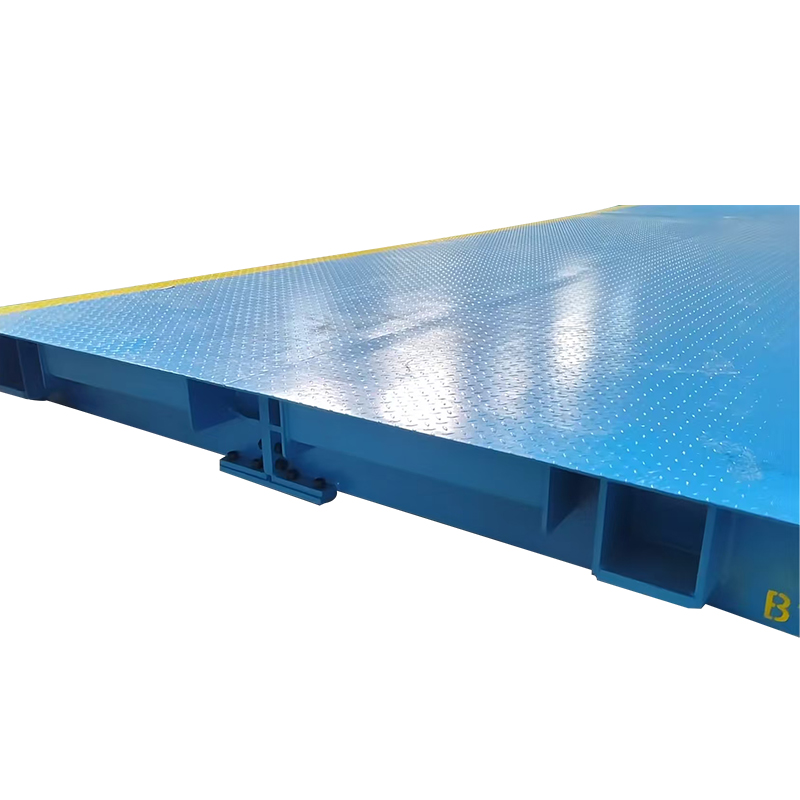
Core Components Of A Truck Scale
Every truck scale, regardless of brand or capacity, is built from the same four functional groups. Understanding each one makes it far easier to read a spec sheet or diagnose a weighing problem later.
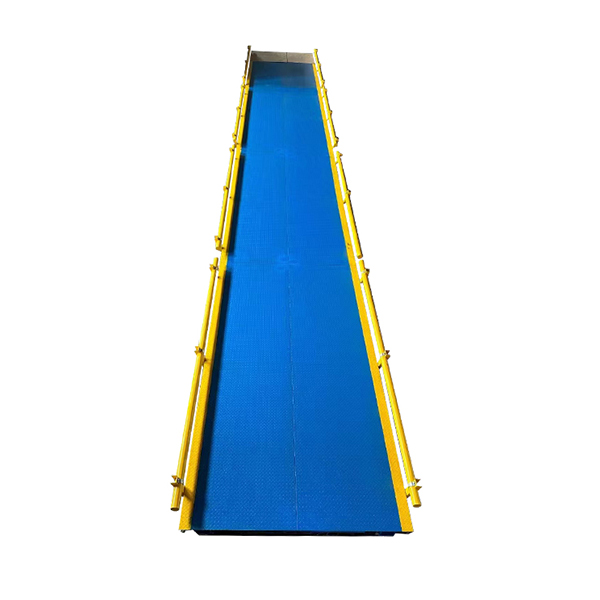
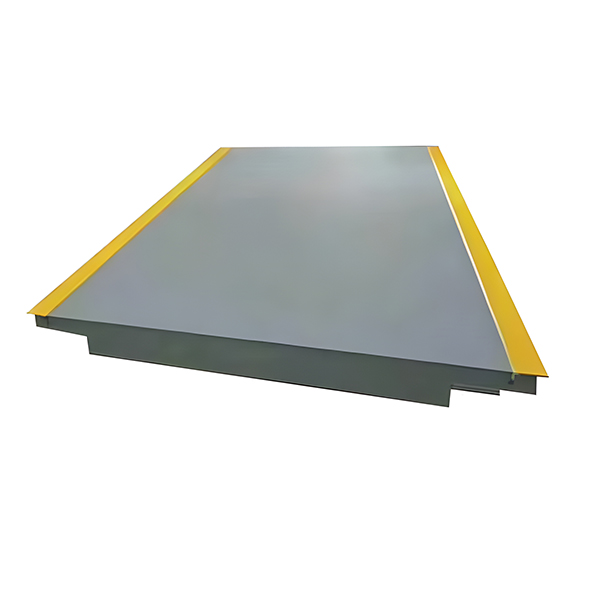
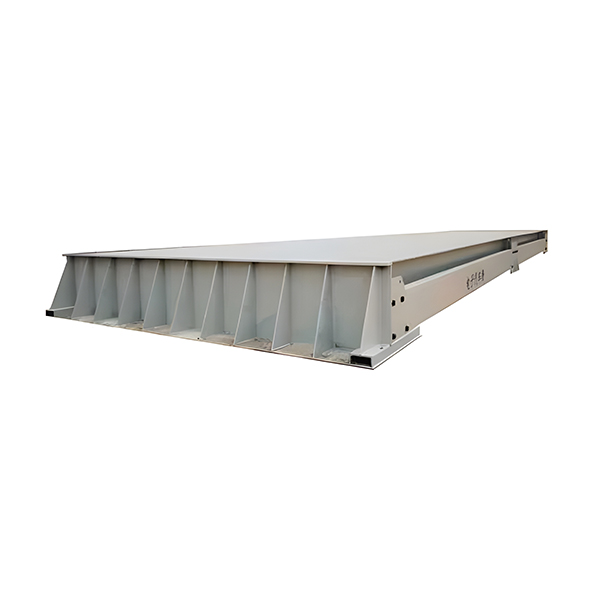
- Deck or platform: the steel or concrete surface the vehicle drives onto, engineered to flex predictably under load and transfer weight evenly to the load cells beneath it.
- Load cells: sensors placed under each module that convert mechanical force into an electrical signal proportional to the weight applied.
- Junction box: the enclosure that sums the signals from every load cell into one combined output, correcting for minor variations between cells.
- Digital indicator: the readout unit, often ticket-printing capable, that displays the final weight and stores or transmits transaction data.
The deck and the load cells carry the mechanical burden of the system, while the junction box and indicator handle the electronic side. A weakness in any one of these four groups will show up as drift, inconsistent readings, or premature wear elsewhere in the system.
Types Of Truck Scales On The Market
Truck scales are generally sorted along two independent lines: how the platform sits relative to the ground, and what the deck itself is made of. Choosing the right combination depends heavily on site conditions and budget.
Pit-Mounted Versus Surface-Mount Scales
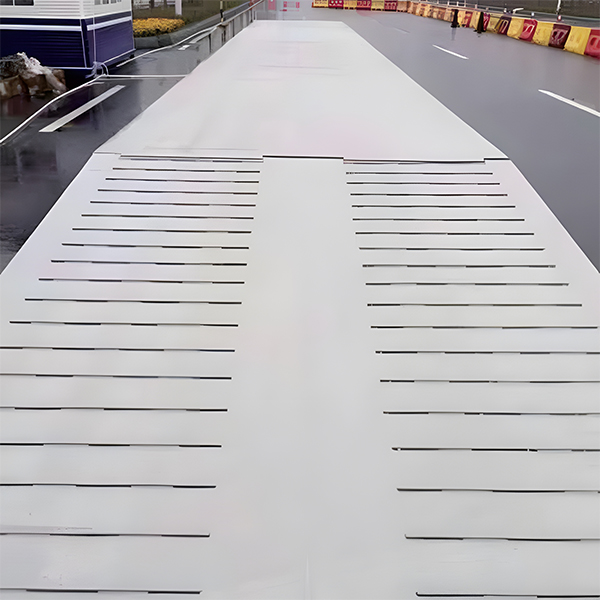
A pit-mounted truck scale sits flush with the surrounding grade, which keeps the approach ramps short and works well on tight sites. A surface-mount scale sits above grade on its own foundation, requiring longer approach ramps but far less excavation and drainage work. Surface-mount installations have become the more common choice over the past decade because they cost less to install and are easier to service, even though they need more physical footprint.
Steel Deck Versus Concrete Deck Scales
Steel deck truck scales are lighter, faster to install, and easier to relocate, making them a common choice for scrap yards, quarries, and temporary weighing stations. Concrete deck scales cost more upfront and take longer to cure before use, but they tend to hold up better under constant heavy impact loads such as loaded dump trucks dropping material directly onto the scale surface.
Matching Capacity And Platform Length To Your Fleet
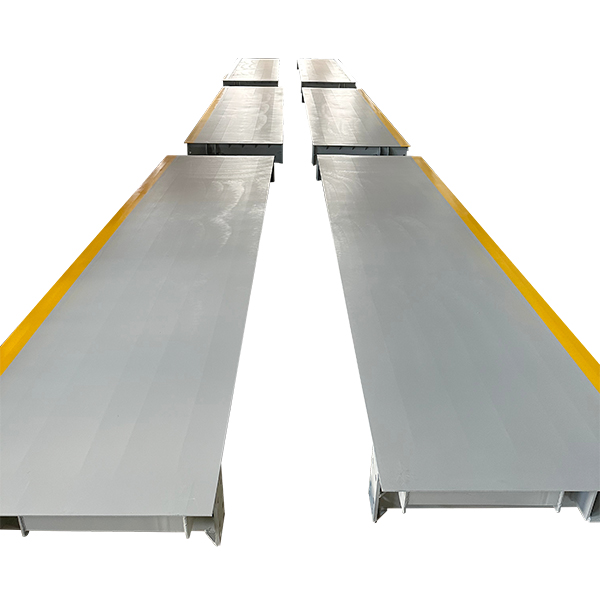
Undersizing a truck scale is one of the most expensive mistakes a buyer can make, since the platform cannot be lengthened later without a near-total rebuild. The rule of thumb is to size the scale for the longest and heaviest vehicle combination that will ever cross it, not just the average one.
| Platform Length | Vehicle Type | Typical Capacity |
|---|---|---|
| 40 to 50 ft | Single unit trucks, straight trucks | 60,000 to 80,000 lb |
| 60 to 70 ft | Standard semi-trailer combinations | 80,000 to 100,000 lb |
| 80 to 100 ft | Double and triple trailer combinations | 120,000 lb and above |
In the United States, the federal bridge formula generally caps standard interstate gross vehicle weight near 80,000 lb for a five-axle semi combination, which is why so many commercial truck scales are built around that benchmark capacity even when local vehicles occasionally run heavier.
Analog Versus Digital Load Cells
The load cell technology underneath the deck has a direct effect on long-term accuracy, installation cost, and how quickly problems can be diagnosed in the field.
Analog Load Cells
Analog load cells send a raw millivolt signal to a summing junction box, which combines every cell's output before sending one signal to the indicator. They are proven, cost-effective, and widely available for replacement, but tracing a fault back to a single bad cell can take longer because the signals are already blended.
Digital Load Cells
Digital load cells convert the signal to a digital value at the cell itself and communicate individually with the indicator over a shared data line. This makes it possible to identify a single underperforming load cell almost immediately, which shortens diagnostic time and reduces scale downtime. Digital systems typically carry a higher purchase price but lower lifetime service cost on high-traffic scales.
Installation: What Actually Happens On Site
Even the best truck scale will underperform if the foundation work is rushed. A typical surface-mount installation follows a consistent sequence regardless of manufacturer.
- Site survey and soil testing to confirm the foundation can bear the fully loaded scale weight without settling unevenly.
- Excavation and forming of the concrete foundation piers or full-length footing, sized to the scale manufacturer's engineering drawings.
- Curing period for the concrete, commonly two to four weeks depending on climate and mix design, before any deck sections are set.
- Setting the deck modules and load cells, followed by mechanical leveling of every module to the manufacturer's tolerance.
- Wiring the junction box and indicator, then running the initial power-up and self-diagnostic checks.
- Test weighing with known reference loads across the full platform, followed by fine adjustment of the system's calibration factors.
Skipping or rushing the concrete curing step is the single most common installation mistake, and it is also the hardest one to fix after the fact, since an uneven foundation will keep reintroducing weighing errors even after recalibration.
Calibration And Maintenance Routines That Keep A Scale Accurate
A truck scale is a mechanical system exposed to weather, vibration, and constant heavy impact, so its accuracy naturally drifts over time without upkeep. The following routine keeps drift within an acceptable range on most commercial scales.
- Daily visual inspection of the deck surface, approach ramps, and drainage channels for debris buildup or standing water.
- Monthly check of load cell cable connections and junction box seals for moisture intrusion, a leading cause of sudden reading shifts.
- Quarterly test weighing with certified test weights or a known reference vehicle to catch gradual drift before it affects billing.
- Annual full calibration and structural inspection, including checking the deck for weld cracks, corrosion, or foundation settling.
Sites with heavy year-round traffic, such as aggregate quarries and waste transfer stations, often shorten these intervals because the combination of impact loading and exposure to abrasive material accelerates component wear.
Common Causes Of Weighing Errors
When a truck scale starts producing inconsistent numbers, the root cause almost always falls into one of a handful of recurring categories.
| Cause | Typical Symptom |
|---|---|
| Debris under the deck | Weight reads high or fluctuates while the vehicle sits still |
| Water in the junction box | Sudden erratic jumps, especially after rain |
| Foundation settling | Gradual, consistent drift in one direction over months |
| Damaged load cell | One corner reads differently depending on vehicle position |
Most of these issues can be caught early through the routine inspections described above, which is why operators who skip maintenance schedules tend to see problems arrive suddenly rather than gradually.
What To Look For In A Weight Indicator
The indicator is the part of the system operators interact with every day, so its features matter as much as the mechanical deck underneath it.
- Ticket printing: built-in printing for gross, tare, and net weight tickets speeds up gate operations significantly.
- Data storage and export: the ability to log transactions and export them for billing or record keeping.
- Remote display support: a second display visible to the truck driver reduces miscommunication at unattended scales.
- Software integration: compatibility with existing yard management or accounting software avoids duplicate manual entry.
Buyers frequently focus entirely on the mechanical deck and treat the indicator as an afterthought, then discover later that a missing feature, such as software integration, creates ongoing administrative work that a slightly more capable indicator would have avoided from day one.
Where Truck Scales Are Used Across Industries
Truck scale demand spans a wide set of industries, each with slightly different priorities driving their equipment choice.
Agriculture And Grain Handling
Grain elevators and feed mills rely on truck scales to record incoming and outgoing loads, often running high transaction volumes during harvest season when speed at the scale directly affects how many trucks can be processed per hour.
Waste And Recycling
Transfer stations and recycling facilities use truck scales to bill by weight and to track material volumes for regulatory and operational reporting, making consistent accuracy essential to revenue.
Aggregate, Mining, And Quarrying
Quarries and mines put some of the heaviest cumulative wear on truck scales because vehicles are frequently overloaded with dense material and impact loading is common, which pushes many operators toward concrete decks and digital load cells.
Logistics And Freight Yards
Freight terminals use truck scales primarily to confirm axle and gross weight distribution before a loaded trailer leaves the yard, helping avoid downstream weight-related delays on the road.
Cost Factors To Plan Around
Truck scale pricing varies widely, and the sticker price of the scale itself is often only part of the total project cost.
- Deck material and capacity: steel decks generally cost less than concrete decks of equivalent capacity.
- Foundation work: site excavation, concrete, and drainage can rival or exceed the cost of the scale hardware itself on difficult sites.
- Load cell type: digital load cell systems typically add cost upfront in exchange for lower long-term service expense.
- Indicator features: ticket printing, software integration, and remote displays each add incrementally to the base indicator price.
- Ongoing calibration and maintenance: budgeting for scheduled service visits prevents larger repair costs from deferred maintenance.
Operators evaluating quotes side by side should confirm whether foundation work, freight, and startup calibration are included, since scales that look cheaper on paper sometimes shift those costs into separate line items.
Frequently Asked Questions
How long does a truck scale typically last?
With a properly built foundation and a consistent maintenance routine, a steel or concrete deck truck scale commonly stays in productive service for fifteen to twenty five years, though load cells and indicators are usually replaced or upgraded more often than the deck structure itself.
Can an existing truck scale be upgraded to a longer platform?
In most cases no, since the foundation is engineered for a specific length and capacity. Extending a platform generally requires a new foundation section, which is why buyers are strongly advised to size for future needs during the original design phase.
How often should a truck scale be recalibrated?
A quarterly test weighing combined with a full annual calibration is a common baseline, though high-traffic or high-impact sites such as quarries often move to more frequent checks based on their own observed wear patterns.
Is a pit-mounted or surface-mount scale better for a small site?
Pit-mounted scales suit tight sites because they need shorter approach ramps, while surface-mount scales suit sites with more available space and a preference for lower installation cost and easier future servicing.
What is the biggest mistake buyers make when choosing a truck scale?
Undersizing platform length is the most common and costly mistake, since it cannot be corrected without a near-total rebuild of the foundation and deck once the site is in operation.
Do digital load cells eliminate the need for regular maintenance?
No. Digital load cells make it faster to locate a specific problem, but they do not remove the need for routine inspection, cleaning, and periodic test weighing that every truck scale requires regardless of load cell type.

Copyright © Ningbo Jiuding Weighing Equipment Co., Ltd.
