


 English
 中文简体
中文简体
Industry News
Digital Balance Weight Limit: Full Capacity Guide by Class
Content
- 1 The Weight Limit of Most Digital Balances Sits Between 200g and 600,000g, Depending on the Class
- 2 Capacity Ranges Across the Six Main Classes of Digital Balances
- 3 Why Laboratory Balances Have Such Low Weight Limits
- 4 Industrial and Platform Scales: Where the Weight Limit Climbs Into the Hundreds of Kilograms
- 5 Digital Weighbridge Capacity: From 20 Tons to Over 150 Tons
- 6 What Happens When a Digital Balance Is Loaded Past Its Weight Limit
- 7 How to Match a Digital Balance's Weight Limit to the Actual Job
- 8 Frequently Asked Questions About Digital Balance and Weighbridge Weight Limits
- 8.1 What is the average weight limit of a digital kitchen or household scale?
- 8.2 Can a digital balance be recalibrated to increase its weight limit?
- 8.3 How often should a digital balance be calibrated relative to its capacity?
- 8.4 What is the difference between concentrated load capacity and the rated tonnage of a weighbridge?
- 8.5 Does a higher weight limit always mean lower precision?
- 8.6 What capacity weighbridge is needed for a standard articulated truck?
The Weight Limit of Most Digital Balances Sits Between 200g and 600,000g, Depending on the Class
There is no single weight limit for a digital balance because "digital balance" covers instruments built for completely different jobs. A benchtop analytical balance used in a pharmaceutical lab typically tops out between 200g and 520g, while a precision balance used for general industrial weighing can carry 3,000g to 8,200g. Step up to a compact bench scale and the ceiling rises to roughly 35,000g, and high-capacity lab scales can reach 102,000g to over 500,000g (1,000 lb). At the far end of the spectrum, a digital weighbridge built for trucks and heavy vehicles is rated in tons rather than grams, with standard capacities of 30, 60, 80, 100, and up to 150 tons. The right answer to "what is the weight limit" always depends on which class of digital balance is on the table, so the rest of this article breaks each class down with real capacity ranges, readability figures, and the factors that decide which one fits a given job.
Capacity Ranges Across the Six Main Classes of Digital Balances
Digital balances are generally grouped into six classes based on how much they can hold and how fine their readability is. As capacity goes up, readability typically gets coarser — an instrument that can detect 0.0001 mg cannot also hold a 50 kg sack of material, and one that holds 50 kg has no reason to resolve fractions of a milligram.
| Balance Class | Typical Maximum Capacity | Typical Readability |
|---|---|---|
| Ultra-micro balance | 2.1g to 10.1g | 0.0001 mg to 0.001 mg |
| Micro balance | 21g to 111g | 0.001 mg to 0.002 mg |
| Semi-micro / analytical balance | 120g to 520g | 0.005 mg to 0.1 mg |
| Precision balance | 120g to 8,200g | 0.001g to 0.1g |
| Compact / bench scale | 3,000g to 35,000g | 0.1g to 1g |
| High-capacity / platform scale | 12,500g to 500,000g (up to 1,000 lb) | 1g to 100g |
A balance's listed maximum capacity is the highest load it will register without an overload warning. Loading a balance past its rated capacity does not just produce an inaccurate reading — most digital models lock the display, flash an error code, and in some cases the load cell can be permanently damaged if the overload is severe or repeated.
Why Laboratory Balances Have Such Low Weight Limits
Laboratory balances are not designed to weigh heavy objects. They are designed to weigh very small amounts with extreme precision, and those two goals work against each other mechanically.
The Trade-Off Between Capacity and Readability
A balance's internal sensor, usually a strain gauge or electromagnetic force restoration cell, has a fixed number of stable measurement increments it can resolve across its full range. If a manufacturer wants 0.0001 mg readability, the sensor's working range has to be compressed to just a few grams, because spreading that same sensor across kilograms would make sub-microgram changes statistically meaningless. This is why ultra-micro balances cap out around 10g while routine industrial scales can hold tens of thousands of grams with no trouble.
Common Capacity Examples by Application
- Compact portable balances for fieldwork: 120g to 6,100g capacity
- Heavy-duty precision balances with stainless platforms: up to 3,000g
- High-resolution precision balances for QC labs: 220g to 8,200g
- Sieve-analysis bench scales for materials testing: 3,000g to 35,000g
Choosing a balance with too much headroom above the actual sample weight is a common mistake. A 6,000g-capacity balance reading a 2g sample will never match the readability of a 200g-capacity balance reading the same sample, because resolution is tied directly to the sensor's calibrated span, not just the number on the display.
Industrial and Platform Scales: Where the Weight Limit Climbs Into the Hundreds of Kilograms
Once a job moves from sample analysis to bulk material handling, the relevant weight limit changes completely. Industrial bench and platform scales are built around load cells rated for heavier static and dynamic loads, and their housings are reinforced to absorb repeated impact from totes, drums, and pallets being set down on the platform.
Typical Capacity Bands
| Scale Type | Capacity Range |
|---|---|
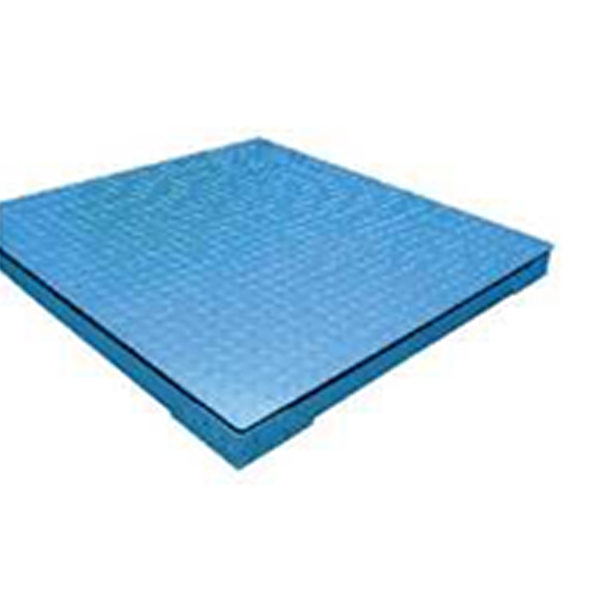
| Bench/platform scale, stainless deck | 30,000g to 150,000g (60 lb to 300 lb) |
| High-capacity lab balance | 12,000g to 102,000g |
| Heavy-duty industrial bench scale | 12,500g to 500,000g (up to 1,000 lb) |
Item Memory and Connectivity at This Tier
At the upper end of this category, scales often add features that pure lab balances skip entirely, since the use case shifts toward repetitive production weighing. Memory banks storing 50,000 individual item records are common on heavy-duty bench scales, letting a warehouse log thousands of distinct SKUs by weight without re-entering tare values each time. Multiple connectivity options, including RS-232 and USB output, let these readings feed directly into inventory or batching software.
Digital Weighbridge Capacity: From 20 Tons to Over 150 Tons
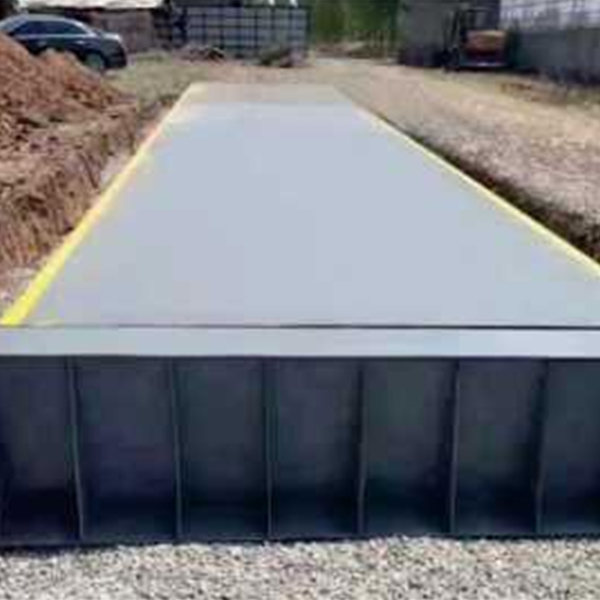
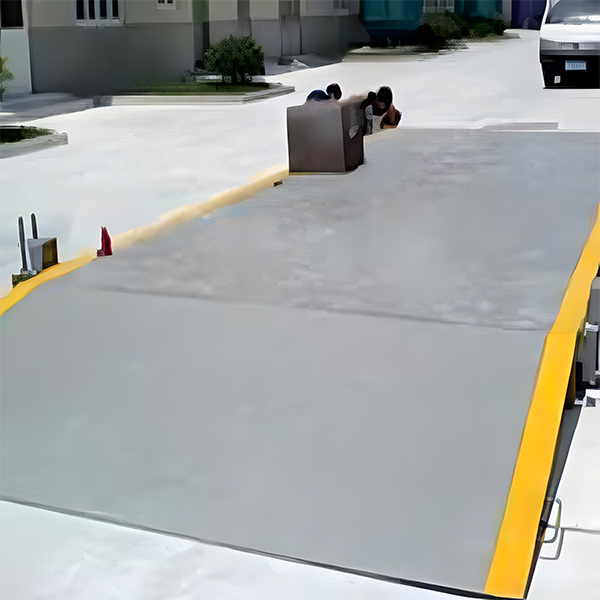
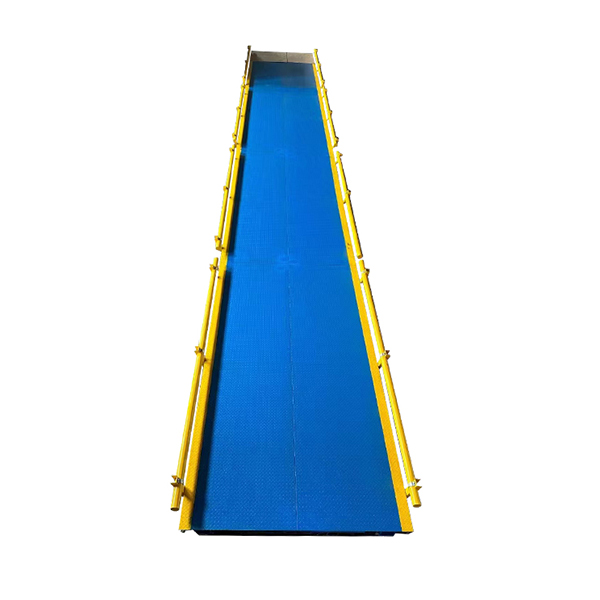
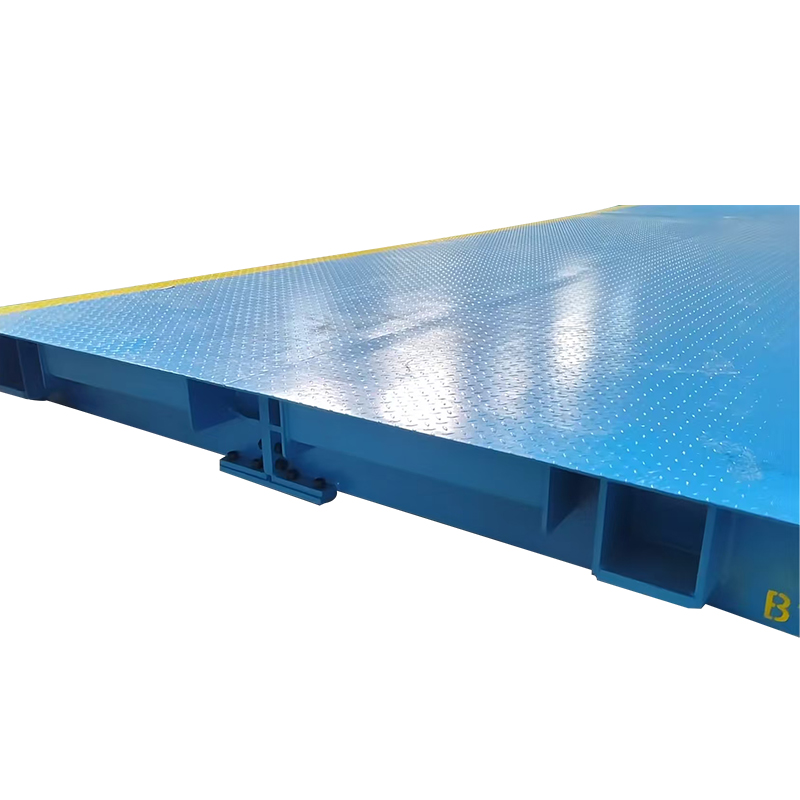
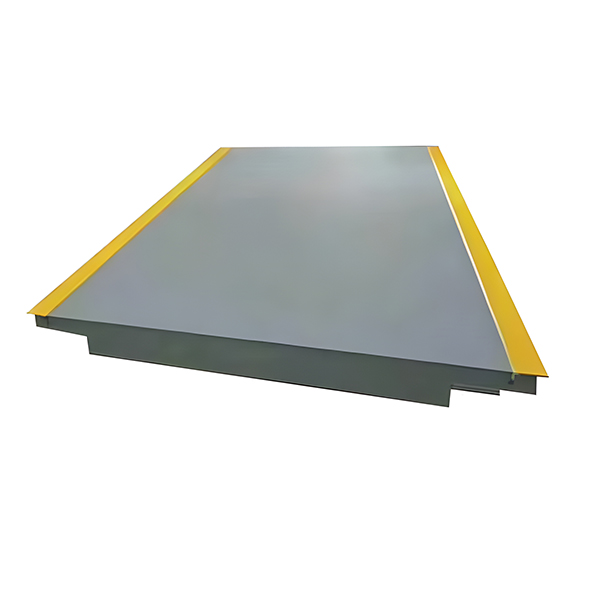
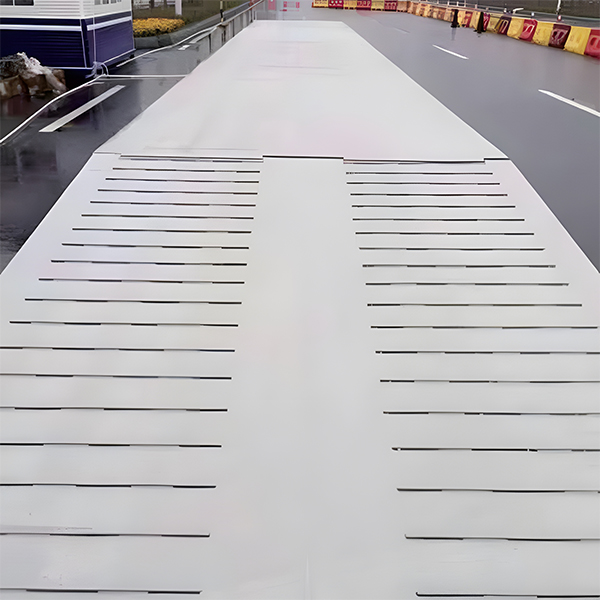
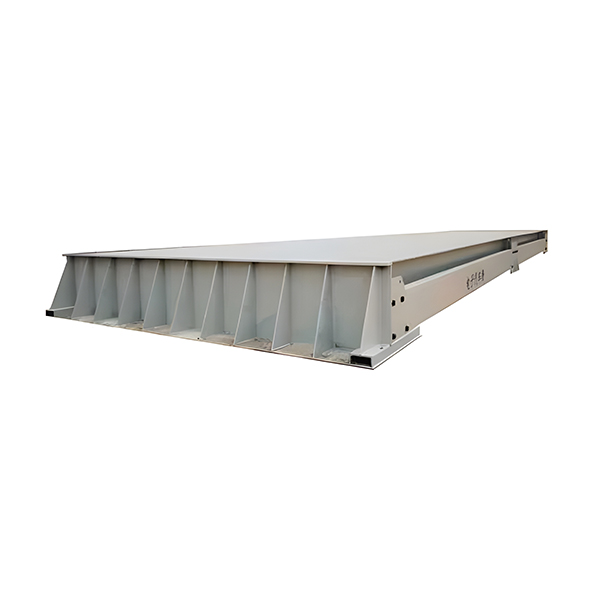
When the object being weighed is a vehicle rather than a sample or a container, the entire category changes again. A digital weighbridge, also called a truck scale or vehicle scale, is the instrument built for this job, and its weight limit is measured in tons rather than grams.
Standard Weighbridge Capacities
Most manufacturers offer weighbridge capacity in a handful of standard steps rather than a continuous range. 30-ton, 60-ton, 80-ton, 100-ton, 120-ton, and 150-ton are the most common weighbridge capacities sold for commercial and industrial use, with some suppliers extending the line up to 200 tons for the heaviest combination vehicles and mining trucks.
- 20 to 30-ton weighbridges: light trucks, vans, agricultural trailers
- 60 to 80-ton weighbridges: standard articulated trucks and bulk haulers
- 100 to 150-ton weighbridges: multi-axle combination vehicles, port and logistics terminals
- 150 to 200-ton weighbridges: mining, forestry, and heavy construction equipment
Concentrated Load Capacity and Dual Tandem Axle Ratings
A weighbridge's printed tonnage is not the only number that matters. Two technical ratings determine how the scale actually performs under real vehicle loads: concentrated load capacity (CLC) and dual tandem axle (DTA) rating. These figures describe the maximum load the structure can support when weight is concentrated over two sets of tandem axles rather than spread evenly across the whole platform, which is how loaded trucks actually sit on a scale. Scales certified under the National Type Evaluation Program (NTEP) have their CLC/DTA figures recorded on a Certificate of Conformance, and checking that document is the most reliable way to confirm a weighbridge's real-world load limit rather than relying on the headline tonnage alone.
Safe Overload Allowance
Most digital weighbridges are built with a safe overload margin above their rated capacity, commonly 120% to 150% of maximum rated load. This margin is an engineering safety buffer, not an invitation to operate above the rated tonnage on a routine basis; consistently loading a weighbridge into its overload zone accelerates wear on the load cells and shortens the structure's working life.
What Happens When a Digital Balance Is Loaded Past Its Weight Limit
Overloading a digital balance triggers a predictable sequence rather than a vague malfunction.
Immediate Display Response
The vast majority of digital balances and scales display an error code, often reading "Err," "O-L," or a flashing series of dashes, the moment the load exceeds the rated maximum. The scale will not output a numeric reading once it detects an overload condition, which prevents a false weight from being recorded or printed.
Mechanical Risk From Repeated or Severe Overload
A single brief overload within the safe margin (commonly 120% to 150% of capacity on industrial scales) rarely causes lasting damage. Sustained or repeated overloading, however, can permanently deform the load cell's internal strain gauge or spring element, causing the balance to read inaccurately even within its normal range afterward. Recalibration cannot fix a physically deformed load cell — at that point the sensor itself needs replacement.
Practical Steps to Avoid Overload Damage
- Select a balance with rated capacity at least 20% above the heaviest expected load
- Never use the platform as a step stool or support surface
- Set a maximum-load reminder in production environments where multiple operators share one scale
- Inspect load cells annually if the scale operates near its rated capacity regularly
How to Match a Digital Balance's Weight Limit to the Actual Job
Matching capacity correctly avoids two common mistakes: buying a balance that cannot hold the heaviest item that will ever cross it, and buying one so oversized that it cannot resolve the precision the work actually needs.
Step One: Identify the Heaviest Single Load
Write down the actual maximum weight the balance needs to handle in normal operation, not an average. A balance is sized to its heaviest realistic load, not its typical one.
Step Two: Add a Practical Safety Margin
Choosing a balance rated 15% to 25% above that maximum leaves room for container weight, tare adjustments, and future changes in sample or product size without forcing a replacement purchase later.
Step Three: Check Readability at That Capacity, Not Just the Maximum Number
Two balances can share an identical maximum capacity and still have very different readability. A 6,200g balance with 0.01g readability is suited to different work than a 6,000g bench scale with 1g readability, even though their capacities look similar on paper.
Step Four: Confirm Platform Size and Connectivity Needs Match the Capacity Tier
Higher-capacity scales generally come with larger, more rugged platforms and added features like item memory or USB output. Confirming these match the actual workflow avoids paying for capacity headroom while missing functional requirements like data logging.
Frequently Asked Questions About Digital Balance and Weighbridge Weight Limits
What is the average weight limit of a digital kitchen or household scale?
Most household digital scales are rated between 5,000g and 11,000g (about 11 lb to 24 lb), which covers typical food portions and small parcels. This is a separate category from laboratory or industrial balances.
Can a digital balance be recalibrated to increase its weight limit?
No. Calibration adjusts accuracy within the sensor's existing physical range; it cannot change the maximum load the load cell or strain gauge was manufactured to handle. Increasing capacity requires a different instrument, not a software or calibration change.
How often should a digital balance be calibrated relative to its capacity?
Internal calibration on most modern balances runs automatically on a timed cycle, commonly every four hours for high-resolution 4 to 7-digit balances and roughly every six hours for lower-resolution models. External calibration using certified weights is recommended periodically in addition to this automatic cycle.
What is the difference between concentrated load capacity and the rated tonnage of a weighbridge?
The rated tonnage is the headline maximum gross weight the weighbridge is designed for. Concentrated load capacity and dual tandem axle rating describe how that load performs when concentrated over specific axle groupings rather than spread evenly, which is the load pattern of an actual vehicle.
Does a higher weight limit always mean lower precision?
Generally yes, within a given balance design. Spreading a sensor's working range across a higher maximum load reduces how finely it can resolve small changes, which is why ultra-micro balances with sub-microgram readability cap out at only a few grams of capacity.
What capacity weighbridge is needed for a standard articulated truck?
A 60-ton to 80-ton weighbridge comfortably covers most standard articulated trucks and bulk haulers operating at typical road-legal gross weights, while multi-axle combination vehicles and port logistics operations commonly require 100-ton to 150-ton capacity.
Copyright © Ningbo Jiuding Weighing Equipment Co., Ltd.
