


 English
 中文简体
中文简体
Industry News
What Are Balances Used For? A Complete Overview
Content
- 1 What Are Balances Used For? A Complete Overview
- 2 The Main Types of Balances and Their Primary Uses
- 3 Industrial and Commercial Uses of Balances
- 4 Scientific and Laboratory Uses of Balances
- 5 Weighbridges: The Heavy-Duty Balance for Commercial Trade
- 6 Everyday Uses of Balances Outside Industrial Settings
- 7 How to Choose the Right Balance for Your Application
- 8 Maintaining Balance Accuracy: Calibration and Care
- 9 Frequently Asked Questions About Balances
What Are Balances Used For? A Complete Overview
Balances are instruments used to measure mass or weight. From a small analytical balance on a laboratory bench to a massive weighbridge on a freight terminal, every balance shares one core job: delivering an accurate number so people can make informed decisions. Whether the context is a pharmaceutical facility measuring active ingredients to the nearest milligram, a grain merchant verifying the payload of a fully loaded truck, or a household kitchen tracking portion sizes, the balance is the tool that turns a physical quantity into a usable figure. This article covers the full spectrum of balance applications, explains how different balance types serve different needs, and answers the most common questions buyers and users ask before choosing a weighing solution.
The short answer: balances are used for quality control, inventory management, trade compliance, safety verification, scientific research, and process optimization — across virtually every industry that handles physical materials. The specific instrument chosen depends on the required capacity, precision, environment, and regulatory context.
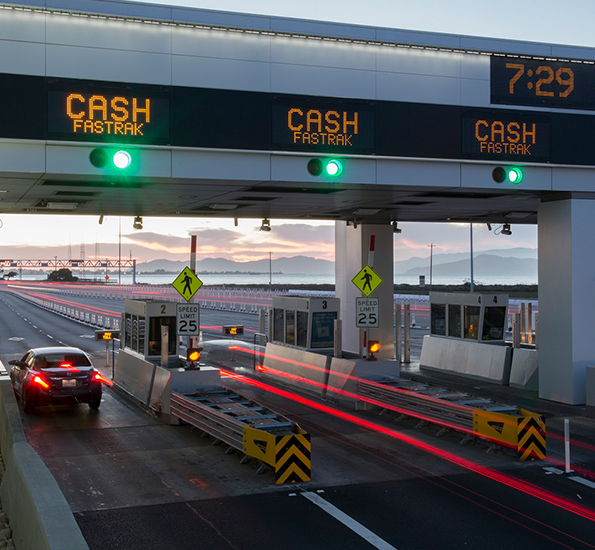
The Main Types of Balances and Their Primary Uses
Understanding balance types is the first step to understanding what balances are used for. Each category is engineered for a particular range of mass, a particular level of precision, and a particular operating environment.
Analytical Balances
Analytical balances measure mass to four or five decimal places — typically to 0.0001 g or 0.00001 g. They are sealed inside a draft shield to prevent air currents from affecting readings. Primary uses include pharmaceutical formulation, chemical research, food additive measurement, and environmental sample preparation. Manufacturers of analytical balances such as Mettler-Toledo and Sartorius publish readability specifications down to 0.01 mg for their high-end models.
Precision Balances
Precision balances offer readability from 0.001 g to 0.1 g and cover capacities from a few hundred grams up to several kilograms. They are used in general laboratory settings, quality control labs, jewelry manufacturing, and educational institutions. They strike a practical balance between high resolution and a capacity large enough for everyday sample sizes.
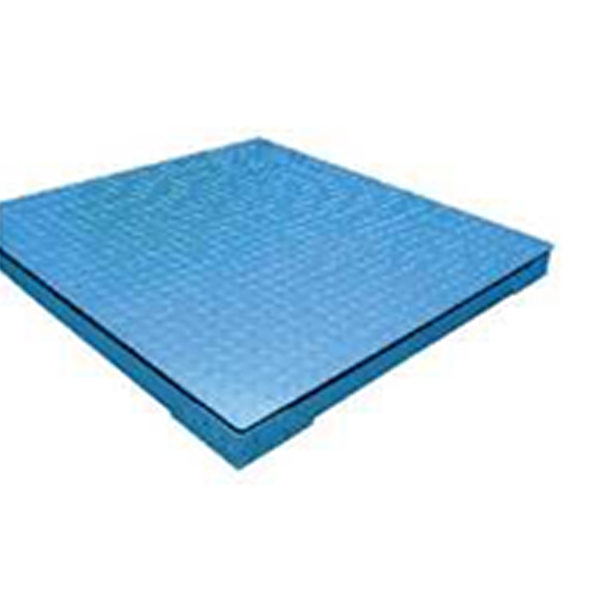
Platform and Floor Scales
Platform scales handle loads from 50 kg up to several hundred kilograms and are common in warehouses, shipping departments, retail receiving areas, and livestock operations. They are built with robust load cells and a wide platform to accommodate irregularly shaped or large items. Readability is typically 50 g to 500 g, which is appropriate for bulk weighing tasks.
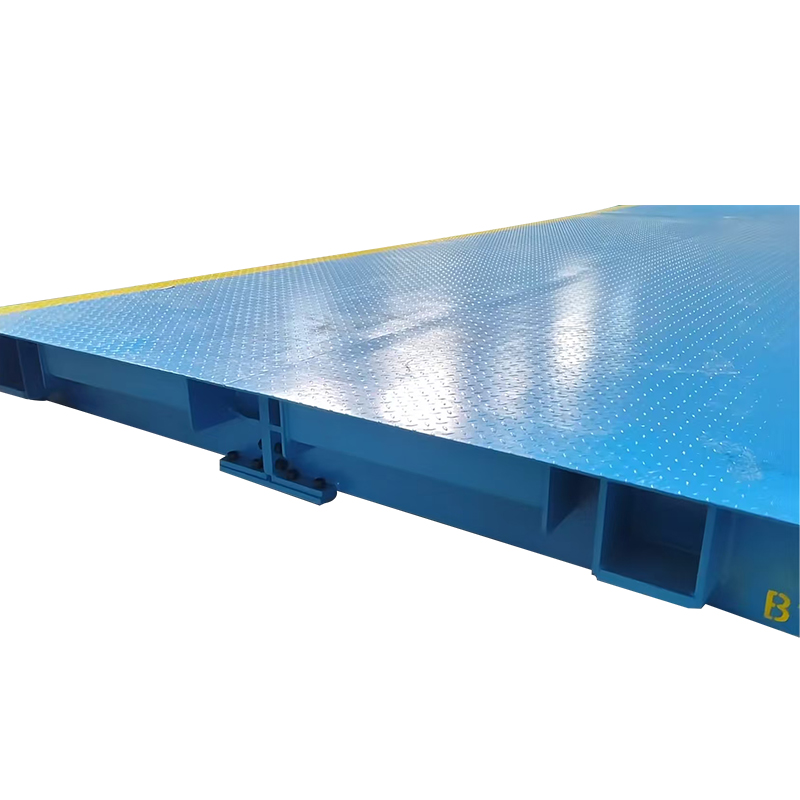
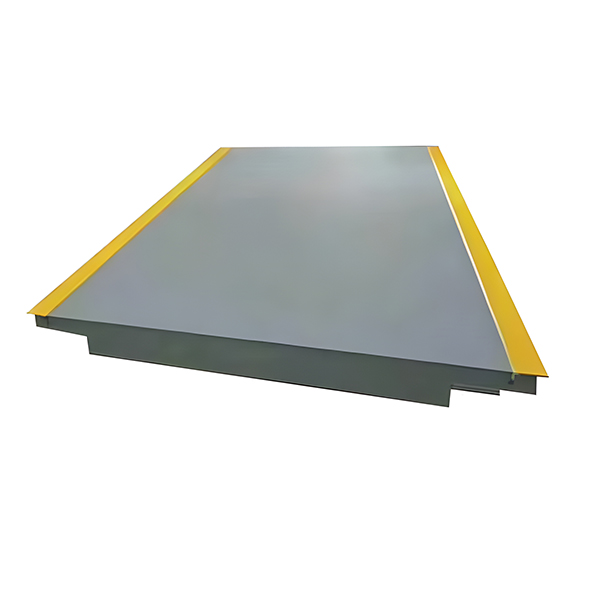
Weighbridges (Truck Scales)
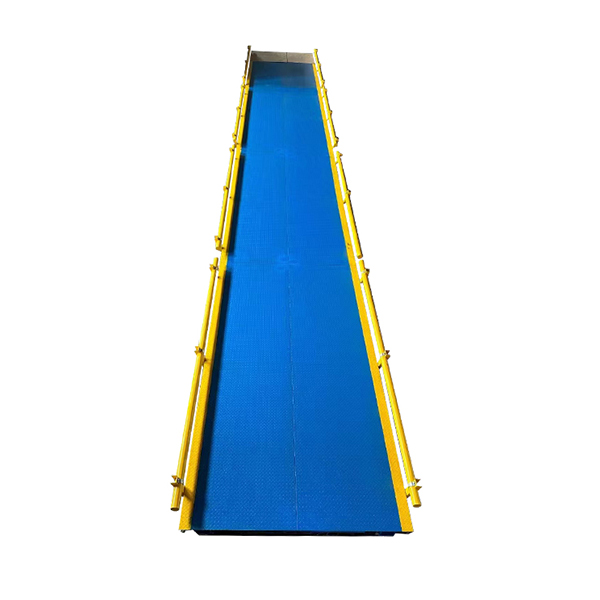
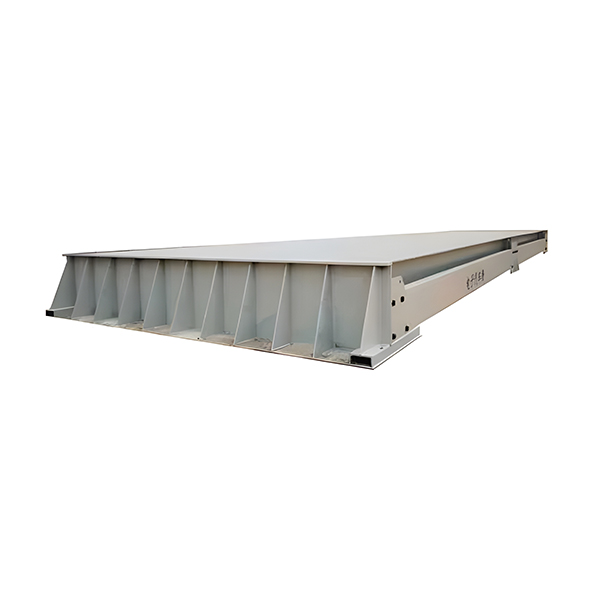
A weighbridge is a large platform scale — often 18 to 24 meters long — embedded in or placed on a road surface so that vehicles can drive directly onto it. Weighbridges are used to measure the gross weight, tare weight, and net payload of trucks, rail cars, and other large vehicles. They are critical for trade settlements in agriculture, mining, logistics, and waste management. Capacities typically range from 60 tonnes to 200 tonnes, with readability at 10 kg or 20 kg increments.
Crane Scales
Crane scales hang from a hoist or crane hook and weigh loads as they are lifted. They are used in steel mills, shipyards, construction sites, and recycling yards where items are too heavy or awkward to place on a platform. Capacities range from a few hundred kilograms to 100 tonnes or more.
Moisture Balances (Halogen Moisture Analyzers)
Moisture balances combine a precision balance with an infrared or halogen heating element. They weigh a sample before and after drying, then automatically calculate the moisture content as a percentage. They are used in food processing, plastics manufacturing, paper production, and grain storage to verify that moisture levels meet specification.
Industrial and Commercial Uses of Balances
Industrial facilities rely on balances at multiple points in the production and distribution chain. The applications vary enormously by sector, but a few patterns appear repeatedly.
Raw Material Receiving
When raw materials arrive at a facility, they must be weighed to confirm that the delivered quantity matches the purchase order. In large-scale operations — cement plants, grain terminals, fertilizer depots — the primary tool for this task is a weighbridge. The incoming truck drives onto the weighbridge platform, the gross weight is recorded, the truck then offloads its cargo, and the empty (tare) weight is recorded. The difference gives the net weight of the delivered goods. This process protects both buyer and seller from discrepancies and provides the data needed for invoicing.
According to the International Organization of Legal Metrology (OIML), weighbridges used for trade must meet accuracy class OIML R 76 or equivalent national standards to ensure that readings are traceable and defensible in commercial disputes.
In-Process Quality Control
During manufacturing, balances verify that each batch or each unit contains the correct amount of every ingredient or component. In pharmaceutical tablet production, for example, a checkweigher on the production line samples tablets at high speed, rejecting any that fall outside a tight weight window. A tablet that is too light may be under-dosed; one that is too heavy may contain excess active ingredient. The U.S. Food and Drug Administration's current Good Manufacturing Practice (cGMP) regulations require that weighing instruments used in drug manufacturing be calibrated and their performance documented.
In food production, checkweighers protect brands from both customer dissatisfaction (short-weight packs) and give-away (over-weight packs). Industry data suggests that even a 1% reduction in over-fill on a high-volume line can save a manufacturer tens of thousands of dollars annually in product give-away.
Outbound Shipping and Logistics
Every parcel carrier and freight forwarder charges by weight. Shipping departments use floor scales and parcel scales to weigh outgoing shipments before printing labels, ensuring that the declared weight matches reality and avoiding carrier surcharges for dimensional or actual weight discrepancies. At a larger scale, logistics hubs rely on axle weighers and weighbridges to screen outgoing trucks for overloading, which can damage road infrastructure and create safety hazards.
Mining and Quarrying
Mining operations use weighbridges at the mine gate to record the payload of every haul truck leaving the site. This data feeds directly into production accounting: tonnes of ore extracted, concentrate shipped, and waste disposed. Some modern weighbridges in mining operations are equipped with automatic vehicle identification (AVI) systems using RFID or camera-based plate recognition, so that every transaction is logged without the driver needing to stop or interact with an operator. A single weighbridge at a mid-sized quarry may process hundreds of truck transactions per day, generating a complete audit trail of material movements.
Agriculture and Grain Handling
Grain elevators and feed mills depend on weighbridges to settle transactions between farmers and buyers. When a farmer delivers a load of wheat, corn, or soybeans, the truck is weighed on arrival (gross), then weighed again after unloading (tare). The net weight, combined with grain moisture and grade data, determines the payment. A weighbridge that is even slightly out of calibration can shift significant sums of money from seller to buyer or vice versa, which is why agricultural weighbridges are subject to regular inspection by national weights and measures authorities.
Waste Management and Recycling
Waste transfer stations and recycling facilities charge customers by the weight of material delivered. Weighbridges at the entrance and exit of these facilities record what comes in and what goes out. Municipalities use this data for waste diversion reporting and landfill capacity planning. Recycling yards use weighbridge data to pay collectors for scrap metal, paper, and plastics by the tonne.
| Industry | Balance / Scale Type | Typical Capacity | Key Purpose |
|---|---|---|---|
| Pharmaceuticals | Analytical balance | 1 g – 300 g | Ingredient formulation |
| Food Processing | Checkweigher | 10 g – 30 kg | Pack weight verification |
| Grain / Agriculture | Weighbridge | 60 t – 150 t | Delivery settlement |
| Mining | Weighbridge / onboard scale | 100 t – 500 t | Production accounting |
| Logistics / Shipping | Floor scale / platform scale | 50 kg – 2,000 kg | Freight billing |
| Waste Management | Weighbridge | 60 t – 120 t | Tipping fee calculation |
| Chemical / Lab | Precision balance | 0.001 g – 5 kg | Research / formulation |
Scientific and Laboratory Uses of Balances
In research and academic settings, the balance is one of the most frequently used instruments in the laboratory. Its role extends well beyond simple mass determination.
Gravimetric Analysis
Gravimetric analysis is a classical analytical chemistry technique in which the amount of a substance is determined by weighing a precipitate or residue. For example, sulfate ions in water can be quantified by precipitating them as barium sulfate, filtering, drying, and weighing the precipitate. The entire method relies on the accuracy of an analytical balance — a readability of 0.1 mg is typically required.
Solution Preparation
Preparing solutions of known concentration requires weighing solutes accurately. A 1 molar solution of sodium chloride in 1 liter of water requires exactly 58.44 g of NaCl. Any error in the weighed mass translates directly into an error in concentration, which can invalidate an experiment or a product batch. Analytical and precision balances are the standard tools for this task.
Density Determination
Using a balance fitted with a density determination kit, researchers can measure the density of solid and liquid samples. The sample is weighed in air and then weighed while submerged in a liquid of known density. Archimedes' principle gives the volume from the buoyancy force, and density follows from mass divided by volume. This technique is used in materials science, gemology, and pharmaceutical development.
Thermogravimetric Analysis (TGA)
Thermogravimetric analyzers combine an ultra-sensitive balance with a controlled-temperature furnace. As a sample is heated, its mass is recorded continuously. Mass losses indicate decomposition events, moisture evaporation, or oxidation reactions. TGA is used to characterize polymers, study corrosion, and verify the thermal stability of pharmaceutical excipients.
Animal and Plant Growth Studies
Biological research often involves tracking the body weight of laboratory animals over time as a measure of health or response to treatment. In plant science, dry biomass — measured by weighing plant material after oven-drying — is a standard indicator of growth. These applications use precision balances with capacities suited to the sample size, from grams for insects to kilograms for small mammals.
Weighbridges: The Heavy-Duty Balance for Commercial Trade
A weighbridge is, at its core, a very large balance — one scaled to handle vehicles rather than samples. Understanding how weighbridges work and where they are used helps clarify the full range of what balances are used for at the heaviest end of the spectrum.
How a Weighbridge Works
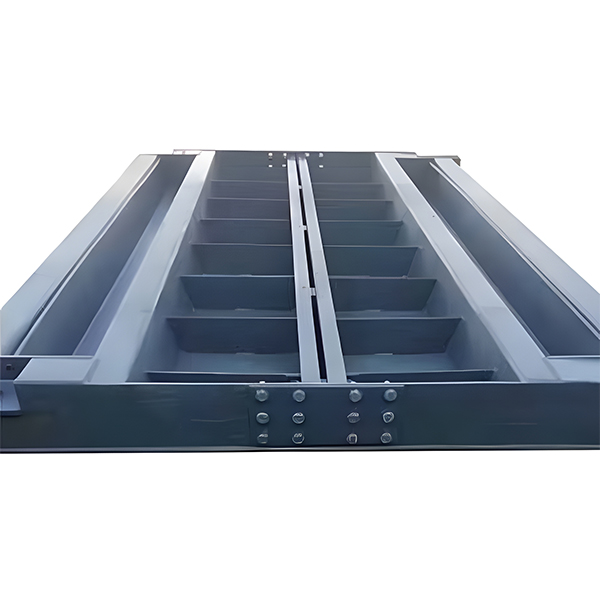
A weighbridge platform is supported by a set of load cells — typically four to eight, depending on platform length. When a vehicle drives onto the platform, its weight compresses the load cells, which convert the mechanical force into an electrical signal. An indicator or weight controller processes the signals from all load cells, sums them, and displays the total weight. Modern digital weighbridges update readings in real time and can detect dynamic motion, allowing some models to weigh vehicles at slow creep speeds without requiring a full stop.
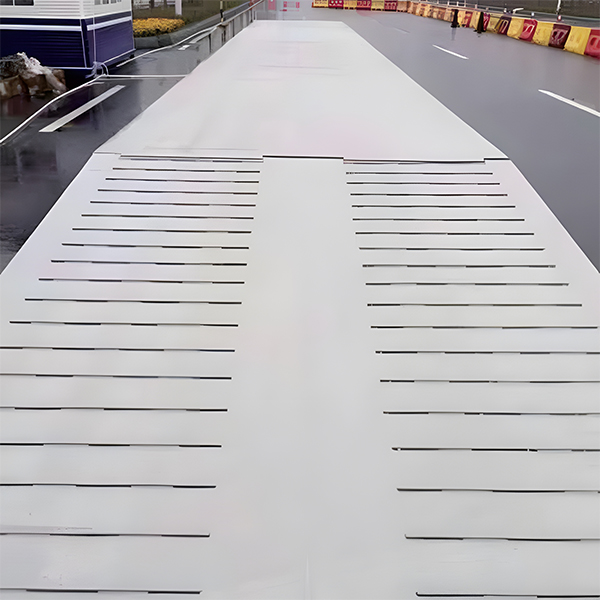
The most common weighbridge configurations are pit-mounted (where the platform sits in a concrete pit flush with the road surface) and surface-mounted (where the platform sits on a concrete foundation above grade, with access ramps). Surface-mounted weighbridges are generally easier and faster to install; pit-mounted weighbridges are preferred where site aesthetics or traffic flow require a level approach.
Key Applications of Weighbridges
- Grain and commodity terminals measuring delivery payloads
- Cement and ready-mix concrete plants verifying batch loads
- Scrap metal yards buying recycled material by weight
- Coal mines and quarries tracking production tonnage
- Municipal landfills and waste transfer stations charging tipping fees
- Timber yards and sawmills measuring log and lumber loads
- Port terminals tracking container and bulk cargo weights
- Highway enforcement agencies checking compliance with road weight limits
Did You Know?
200 t
Maximum capacity of the heaviest commercial weighbridges used in mining and port operations
Typical Accuracy
±0.01%
Accuracy class of OIML Class III weighbridges used for trade settlement
Platform Length
18–24 m
Standard length range to accommodate articulated trucks and road trains
Weighbridge Data Management
Modern weighbridge installations go well beyond displaying a number on a screen. Weighbridge management software records every transaction with a timestamp, operator ID, vehicle registration, customer code, and commodity description. This data is exported to enterprise resource planning (ERP) systems for inventory accounting, invoicing, and compliance reporting. Some facilities use automatic number plate recognition (ANPR) cameras integrated with the weighbridge software to identify vehicles without operator involvement, enabling fully unattended weighing operations on a 24-hour basis.
Remote monitoring is increasingly common: operators can view live weight readings, camera images, and system health indicators from a central control room or from a mobile device. Alerts are sent when a vehicle is detected on the bridge without a transaction being initiated, when a load cell reading is outside the expected range, or when routine calibration is due. This level of integration means a single weighbridge can serve as a data hub for an entire site's material flow.
Everyday Uses of Balances Outside Industrial Settings
Not every balance operates in a factory or a laboratory. A large proportion of the world's weighing instruments are found in retail, healthcare, and domestic settings, where their purpose is just as important even if the stakes appear smaller.
How to Choose the Right Balance for Your Application
Selecting a balance involves matching the instrument's specifications to the demands of the application. Getting this right avoids two common mistakes: choosing a balance that is not accurate enough for the task, or spending money on precision that the application does not require.
01
Define the Required Readability
Readability is the smallest increment the balance can display. A rule of thumb is that the readability should be at least one-tenth of the required weighing tolerance. If you need to verify that a batch is within ±5 g of target, a balance with 0.5 g or better readability is appropriate. If you are measuring API (active pharmaceutical ingredient) quantities to ±0.5 mg, a 0.1 mg analytical balance is needed.
02
Determine the Maximum Capacity Needed
The balance must handle the heaviest sample you will ever weigh, including the container. If you weigh reagents in a 500 g beaker and the maximum reagent amount is 200 g, you need a capacity of at least 700 g. Always leave a safety margin — consistently weighing at or near a balance's maximum capacity accelerates wear on load cells and can reduce accuracy over time.
03
Assess the Operating Environment
Temperature fluctuations, humidity, vibration, dust, and moisture all affect balance performance. In a clean, stable laboratory, a standard analytical balance performs well. In a production environment with forklifts moving nearby, a balance with vibration filtering algorithms is necessary. In a food processing facility with wash-down procedures, an IP65 or IP68 rated balance with stainless steel construction is required. Weighbridges installed outdoors need corrosion-resistant structures and load cells with high ingress protection ratings.
04
Consider Connectivity and Data Output
Modern operations need weight data to flow into other systems. Check whether the balance has the connectivity options you need: RS-232, USB, Ethernet, Wi-Fi, or Bluetooth. Some balances connect directly to barcode scanners or label printers. Weighbridges typically have dedicated software for transaction management, but the data export format must be compatible with your ERP or inventory system.
05
Check Trade Approval Requirements
If the balance is used for trade — buying or selling goods by weight — it must be approved by the national weights and measures authority. In the United States, this means NTEP (National Type Evaluation Program) certification. In Europe, CE marking under the NAWI Directive applies. Weighbridges used for commercial vehicle weighing must meet OIML R 76 or equivalent. Using a non-approved balance for trade purposes can result in fines and voided transactions.
Maintaining Balance Accuracy: Calibration and Care
A balance is only as useful as its last valid calibration. Even the highest-quality instrument drifts over time due to temperature changes, mechanical stress, and component aging. A systematic maintenance program keeps weighing results reliable and reduces the risk of costly errors.
Routine Calibration
Calibration involves comparing the balance's reading against a known reference mass (calibration weight) and adjusting the instrument if the reading is outside the allowed tolerance. For analytical balances in regulated industries, daily or even per-use calibration checks are standard. For weighbridges, calibration is typically performed quarterly or semi-annually by an accredited service provider using certified test weights or test vehicles of known mass.
Many modern analytical balances have internal motorized calibration weights. Pressing a button causes the internal weight to be placed on the balance pan automatically, the calibration is performed, and the result is logged — a process that takes less than a minute. This makes it practical to calibrate before every use.
Environmental Controls
Temperature is one of the biggest sources of balance error. Load cell sensitivity changes with temperature, and the electronics in the balance indicator are also affected. High-quality load cells include temperature compensation circuits that correct for this effect within a specified temperature range, but the balance still performs best when the operating temperature is stable. Avoid placing analytical balances near air conditioning vents, windows, or heating elements.
Vibration is the other major environmental factor. An analytical balance should sit on a heavy anti-vibration table in a location away from high-traffic areas. Weighbridges must be installed on properly engineered concrete foundations designed to handle the dynamic loads of vehicles crossing at speed and to minimize settlement over time.
Load Cell Inspection and Replacement
The load cell is the core sensing element of any electronic balance. In laboratory balances, load cells are sealed and rarely need attention beyond keeping the weighing pan clean. In weighbridges, however, load cells are exposed to vehicle loads, shock, moisture, and corrosion. Visual inspection of load cells and their mounting hardware during every service visit is recommended. Signs of trouble include cracked cable jackets, corroded connectors, or load cell corner readings that are consistently offset from each other. Replacing a failing load cell promptly prevents a gradual drift in weighbridge accuracy that can go unnoticed until a customer disputes a weight ticket.
Cleaning and Housekeeping
For laboratory balances, the weighing chamber should be kept free of spilled samples, which can cause the balance pan to stick or add residual mass to subsequent readings. A soft brush and gentle cleaning with a damp cloth are sufficient for most surfaces. Never use abrasive cleaners on stainless steel pans, as scratches create sites where samples can lodge and be difficult to remove. For weighbridges, keeping the platform deck clear of accumulated debris — mud, grain husks, sand — prevents false overload readings and reduces wear on the platform structure.
Frequently Asked Questions About Balances
What is the difference between a balance and a scale?
In casual usage, the two words are often interchangeable. Strictly speaking, a balance measures mass by comparing an unknown mass to a known reference mass (as in a two-pan balance), while a scale measures weight (the gravitational force on the mass) using a spring or load cell. In modern practice, electronic "balances" in laboratories actually measure weight via load cells and convert to mass using gravity compensation. The distinction matters mainly in metrology and physics; for most practical purposes, when people ask what balances are used for, the answer covers both types of instruments.
What is a weighbridge used for?
A weighbridge is a large-capacity vehicle scale used to measure the weight of trucks, trailers, rail cars, and other heavy vehicles. Its primary uses are trade settlement (determining the net payload of a commercial delivery), compliance checking (ensuring vehicles are not overloaded beyond road weight limits), production accounting in mining and quarrying, and tipping fee calculation at landfills and recycling facilities. A single weighbridge installation can process several hundred vehicle transactions per day and generate a complete electronic record of every weighment.
How accurate does a balance need to be for laboratory use?
It depends on the application. A moisture analysis balance used for quality control might only need 0.01 g readability. A precision balance for general chemistry might need 0.001 g. An analytical balance for pharmaceutical formulation typically requires 0.0001 g (0.1 mg) readability. For ultra-trace work — measuring microgram quantities of catalyst or radioactive material — microbalances with 0.000001 g (1 microgram) readability are used. Always choose the balance whose readability is at least ten times smaller than your required measurement tolerance.
Can a weighbridge be used for weighing smaller loads?
Technically, a weighbridge can register any load placed on its platform, but it is not suitable for small loads. A weighbridge with a 60-tonne capacity and 20 kg readability cannot meaningfully resolve a 500 kg load — the relative error would be too large for commercial purposes. For loads below a few tonnes, a floor scale or platform scale is the appropriate instrument. Some facilities use an axle weigher or a static axle pad scale for intermediate loads between what a floor scale and a full-length weighbridge can handle.
How often should a weighbridge be calibrated?
For trade-approved weighbridges, calibration frequency is typically set by national weights and measures regulations. In many countries, this means formal verification at least once every one to two years by an accredited body, plus periodic internal checks by the owner. High-volume sites — those processing hundreds of transactions per day — often schedule additional calibration checks quarterly or after any significant maintenance event, such as load cell replacement or major foundation repair. Drift between formal calibrations is monitored using reference test vehicles of known mass.
What affects the accuracy of an analytical balance?
The main factors are air currents (which cause the reading to fluctuate, hence the draft shield), vibration (which introduces noise into the signal from the load cell), temperature changes (which alter load cell sensitivity), static electricity on plastic containers (which can cause repulsion or attraction forces that shift the reading), and residue on the weighing pan (which adds to the apparent mass of the sample). Proper placement of the balance away from draughts and vibration sources, and warming the instrument for at least 30 minutes before use, addresses most of these factors.
What is tare weight, and how is it used on a balance?
Tare weight is the weight of an empty container. When you place a container on a balance and press the tare button, the display resets to zero. Any sample added to the container is then displayed as its net weight, excluding the container's own weight. On a weighbridge, tare weight is the empty vehicle weight. The gross weight (loaded vehicle) minus the tare weight (empty vehicle) equals the net payload — the actual weight of the cargo delivered or collected. Accurate tare determination is critical in both laboratory and commercial weighing.
Are there wireless or portable balances for field use?
Yes. Battery-operated portable precision balances are used in field geology, environmental sampling, and food inspection. They typically offer readabilities of 0.1 g to 1 g and capacities up to 30 kg. For vehicle weighing in the field — at roadsides or remote locations — portable axle pads connected to a handheld indicator allow enforcement officers to weigh vehicles without a permanent weighbridge installation. Some portable weighbridge systems can be assembled from modular steel sections and are used at construction sites or temporary checkpoints.
What industries rely most heavily on weighbridges?
Agriculture and grain handling, mining and quarrying, ready-mix concrete and cement, waste management and recycling, timber and lumber, and bulk chemical distribution all rely heavily on weighbridges for daily operations. In these industries, the weighbridge transaction record is the primary document supporting payment between buyer and seller, so accuracy, reliability, and tamper-evident data recording are non-negotiable requirements.
Can balances be integrated with automated production systems?
Yes. Industrial balances and checkweighers are routinely integrated with production lines via digital communication protocols such as Modbus, Profibus, EtherNet/IP, or standard serial and Ethernet interfaces. A production control system (PLC or SCADA) can receive weight data in real time, trigger reject mechanisms when out-of-spec units are detected, adjust feeder rates to hit target fill weights, and log every weighing event to a database. This level of integration eliminates manual data recording and enables statistical process control (SPC) on weight data.
Copyright © Ningbo Jiuding Weighing Equipment Co., Ltd.
