

 English
 中文简体
Industry News
Home / News / Industry News / Coil Scale Buying Guide: Types, Capacity, and Installation for Steel Coil Weighing
Content
A coil scale is a weighing system arranged around the small contact footprint, high density, and impact forces of coiled metal. It is not a single model but a configuration that may use a reinforced platform, heavy-duty load cells, a suitable indicator, and often truck-scale or buffer-format hardware. The direct answer to most coil weighing problems is to match the platform size and capacity to the heaviest coil you move, and to add structural margin for impact and off-centre loading.
In a typical steel service center, coils arrive by truck, are lifted by overhead crane or forklift, stored indoors, and later loaded for dispatch. Every one of those transfer points is a potential weighing point. The practical question is not “which coil scale should I buy” but “which configuration fits each material flow.”
Standard floor scales are usually designed for pallet loads, drums, or evenly placed goods. A steel coil behaves differently: it concentrates its weight on a narrow curved band, creates high local pressure, and can cause lateral movement when placed by wire rope or C-hook.
The first concrete reason is point loading. A 20 t coil may rest on a contact area smaller than 0.5 m², producing a surface pressure far higher than the same load spread over a pallet. The second reason is impact. When an overhead crane lowers a coil, the scale receives a temporary load that can exceed the coil’s static weight by 20–30 percent. A standard 20 t platform with 125 percent overload capacity may survive, but it will fatigue faster and show unreliable readings.
This is why experienced buyers specify a coil scale with a reinforced top plate, additional longitudinal stiffeners, and load cells sized for a 1.25–1.5× safety margin over the maximum coil weight.
There are four practical ways to weigh coiled metal. The right choice depends on whether you need process weighing, receiving weighing, or shipping verification.
| Type | Typical capacity | Best used for | Installation |
|---|---|---|---|
| Recessed platform scale | 10–80 t | Flush floor work cells with crane or forklift access | Pit or recessed frame |
| Surface-mounted platform scale | 10–50 t | Warehouse areas where excavation is not possible | Above floor with inclined ramps |
| Buffer scale | 20–80 t | Coils dropped or lowered by magnet, C-hook, or crane | Reinforced concrete foundation with shock mounts |
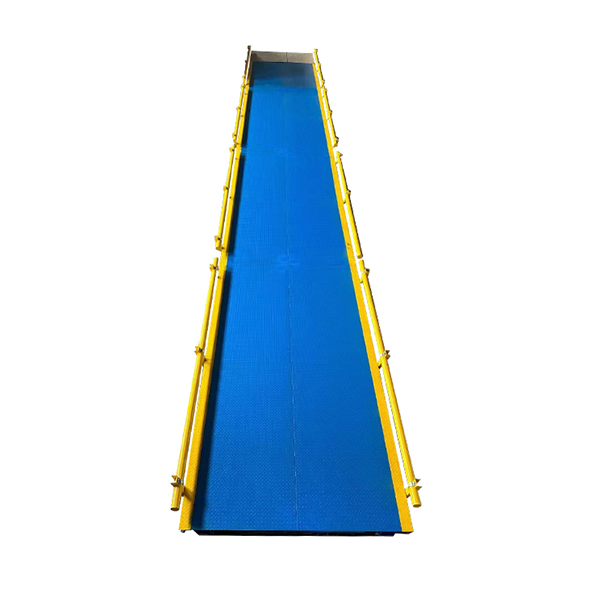
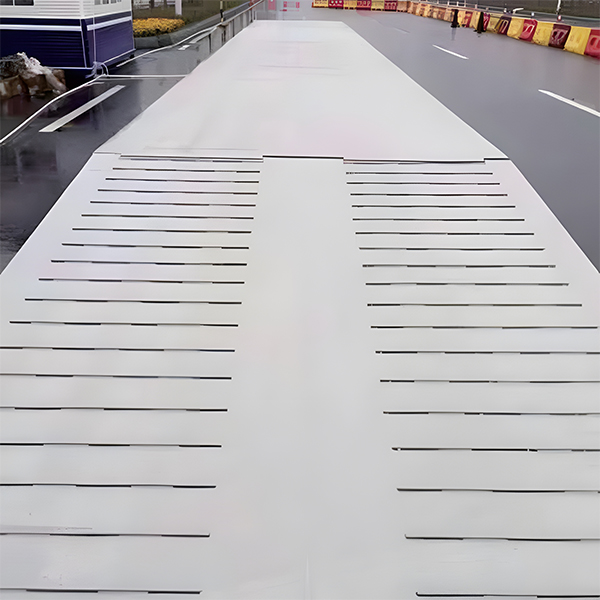
| Truck scale | 60–120 t | Weighing loaded trucks entering or leaving the plant | Pit or surface-mounted, often 18–24 m long |
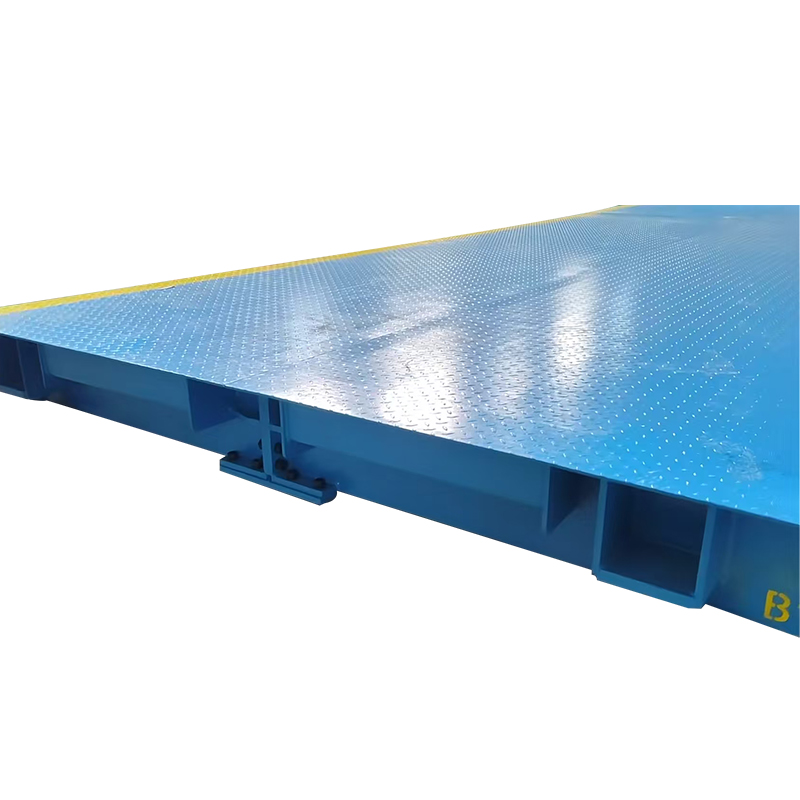
For a coil finishing line or coil packing station, a buffer scale is a purpose-built answer because it handles the dynamic force of a coil landing on the deck. For receiving and dispatch, a digital electronic truck scale gives gross vehicle weight and can also be paired with axle load monitoring.
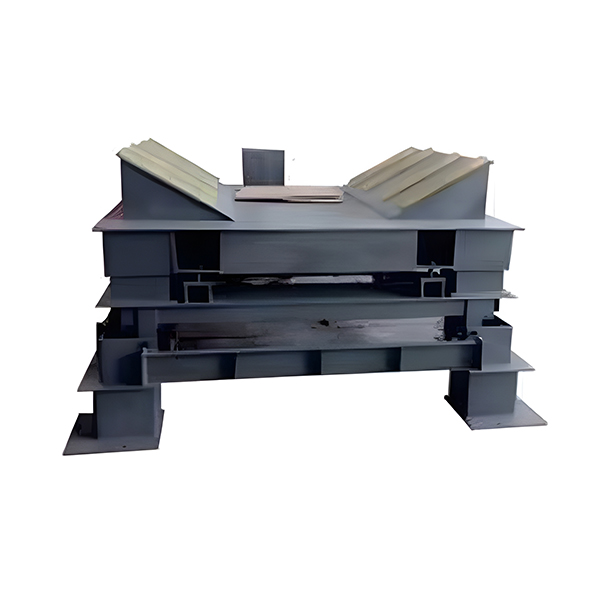 Buffer Scale for Coil Finishing and Packing LinesThis scale is built with a high-strength body and spring structure to absorb the impact of coils landing, making it a practical choice for buffer weighing in finishing or packing stations.View Product →
When you ask a manufacturer for a coil scale quote, provide six numbers: maximum coil weight, coil width, coil diameter, lifting method, existing floor height, and whether the scale will be exposed to coolant or washdown. These numbers determine the rest.
| Parameter | Recommended value | Why it matters |
|---|---|---|
| Scale capacity | 30–40 t | Accounts for impact and tare weight |
| Platform width | Coil width + 500–800 mm | Provides placement margin for crane swing |
| Platform length | 2–3 m | Supports coil length and forklift approach |
| Display division | 10 kg or 20 kg | Readable resolution for production and shipping |
| Load cell protection | IP68/IP69K | Resists dust, water, and washdown chemicals |
| Overload rating | 125% safe load | Protects against accidental overload |
A common mistake is choosing a scale with a platform much larger than the coil. A large deck increases deflection and makes off-centre errors larger. Keep the platform close to the coil footprint, not the forklift footprint.
If your facility receives coils by truck, the truck scale is the fastest way to check net coil weight without lifting each coil. The truck is weighed full, then subtracted from the empty truck weight. This method works best when the truck scale can handle the full gross weight of a loaded truck, typically 60 t to 100 t.
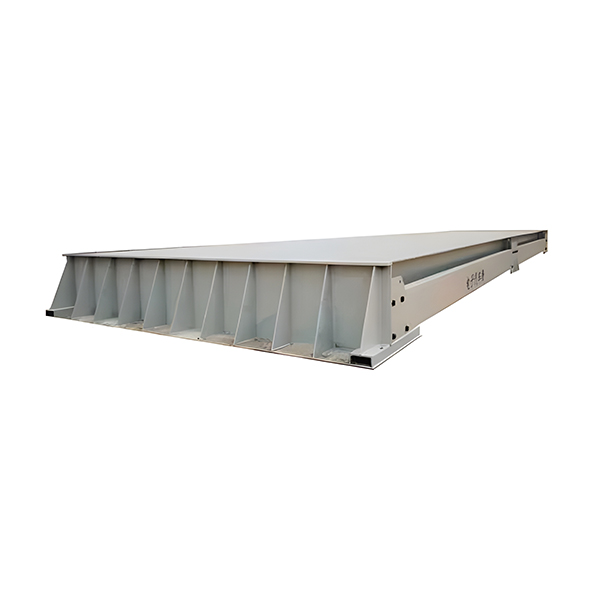
A digital electronic truck scale with a concrete deck or steel deck works for this purpose. It should include a high-visibility indicator that stores vehicle IDs, tare weights, and time stamps. In many steel service centers, the scale is the same unit used for all inbound and outbound material, so its platform length must match the standard truck length used by your haulers.
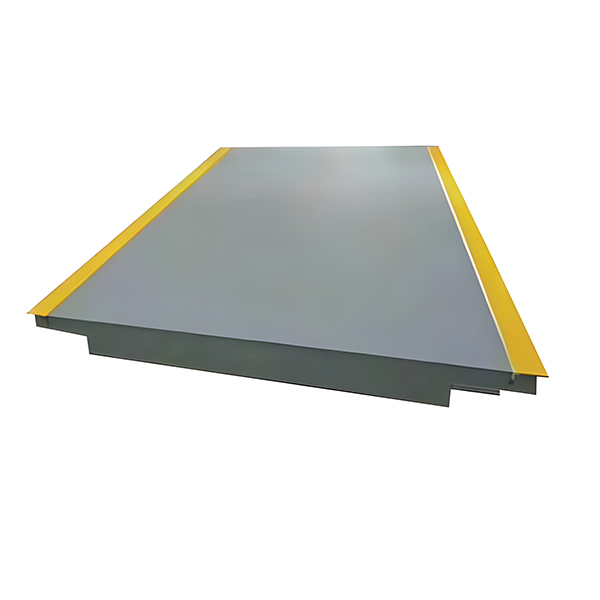 Digital Electronic Truck Scale for Steel Service CentersA digital truck scale with advanced load cells and a management system suits receiving and dispatch weighing, especially when platform length must match your standard hauling trucks.View Product →
For dispatch checks, an axle load scale provides individual axle weights and helps avoid overloading a section of the deck. This is especially useful when a truck carries two or three coils with different diameters.
For coil weighing, column-type digital load cells are often superior to analogue canister cells because they eliminate long analogue signal losses and simplify wiring. Digital load cells transmit a stable signal over distances of 100 m or more, resist electromagnetic interference, and allow the indicator to identify a faulty cell instead of requiring a full system check.
If you need a detailed explanation of how column-type digital load cells achieve long-distance data transmission, read this technical overview of column-type digital load cells.
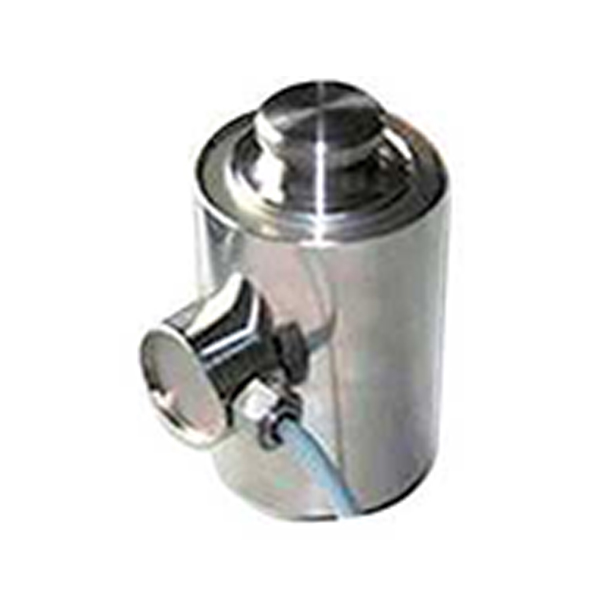 Column Type Digital Load Cell for Long-Distance WeighingThis load cell supports 10t to 50t capacities with digital output, bus connection for up to 16 sensors, and self-diagnosis, making it a sturdy option for truck and platform scales.View Product →
The indicator should be more than a display. For a coil scale, useful functions include:
In a washdown or humid coil warehouse, choose a stainless steel indicator with an IP66 or higher front panel. For remote management, an IoT weighing instrument can push weight data to a database or ERP system automatically.
The best coil scale fails quickly if the foundation is not flat, the pit drains poorly, or cables are routed incorrectly. A coil scale foundation should be a reinforced concrete slab with a flatness tolerance around ±3 mm across the mount areas, and it should be isolated from nearby crane foundations to avoid vibration coupling.
After installation, perform a zero test, corner test, and full-scale test with known test weights. If you do not have calibration weights on site, schedule an installation setup service before the scale enters production.
In heavy coil operations, a monthly torque check on load cell mounting bolts is a simple way to prevent shifts that cause corner error. Keep the deck surface clean of mill scale and oil so coils sit flat.
A coil scale is an industrial weighing platform configured for coiled metal such as steel, aluminium, and copper. It uses a reinforced platform, heavy-duty load cells, and an appropriate indicator to weigh coils accurately despite concentrated loads and impact forces.
Start with the maximum gross coil weight you will handle, then add at least 25–50 percent for tare weight, handling attachments, and dynamic impact. A 20 t coil normally belongs on a 30 t coil scale, and a 30 t coil on a 40 t scale.
Yes, for gross vehicle weighing. A truck scale is useful when coils are received or shipped on trucks, but it is not a substitute for a process coil scale at a workstation. You may need both configurations in one plant.
A buffer scale is built to absorb the impact of a coil being lowered by crane, magnet, or C-hook. It uses stronger deck structure, shock mounts, and heavier load cells to prevent damage and provide stable readings after load placement.
High-use coil scales should be calibrated at least twice a year, or after any structural modification, load cell replacement, impact overload, or noticeable zero drift. Monthly verification with a check weight is also recommended.
Look for a large display, fast settling time, tare memory, vehicle ID storage, printer connectivity, and digital communication ports. If the scale is part of an automated line, choose an indicator with PLC or IoT integration.
The direct answer to a coil scale purchase is this: choose a scale with a reinforced deck, high-capacity load cells, and a margin for impact, then place it at the point where coils change hands. Weighing coils before processing, after processing, and at dispatch gives you data that reduces material loss and freight disputes.
Before you request a quotation, check:
A coil scale is a long-lived asset. If the structure is heavy enough and the load cells are properly protected, the scale will still be trustworthy after years of high-volume coil handling.
Copyright © Ningbo Jiuding Weighing Equipment Co., Ltd.