


 English
 中文简体
中文简体
Industry News
How to Use the Analytical Balance: Complete Step-by-Step Guide
Content
- 1 What You Need to Know Before Using an Analytical Balance
- 2 Choosing the Right Location for Your Analytical Balance
- 3 Warming Up and Leveling the Balance
- 4 Calibration: Internal vs External and When to Do It
- 5 Step-by-Step: How to Use the Analytical Balance for a Standard Weighing
- 6 Taring Correctly: Common Mistakes and How to Avoid Them
- 7 Weighing Hygroscopic, Volatile, and Reactive Samples
- 8 Understanding Readability, Repeatability, and Linearity
- 9 Minimum Weight and the Importance of Not Underloading
- 10 Cleaning and Maintaining the Analytical Balance
- 11 Documentation and Traceability in Regulated Environments
- 12 Practical Tips That Make a Measurable Difference
What You Need to Know Before Using an Analytical Balance
An analytical balance is one of the most precise measuring instruments in any laboratory setting. It can measure mass to the nearest 0.0001 g (0.1 mg), and high-end models reach resolutions of 0.01 mg or better. This level of sensitivity means that even minor environmental disturbances — a door opening, a breath across the pan, or vibration from nearby equipment — can throw off your reading by several milligrams. Before you touch the instrument, understanding its operating principles is not optional; it is the foundation of reliable results.
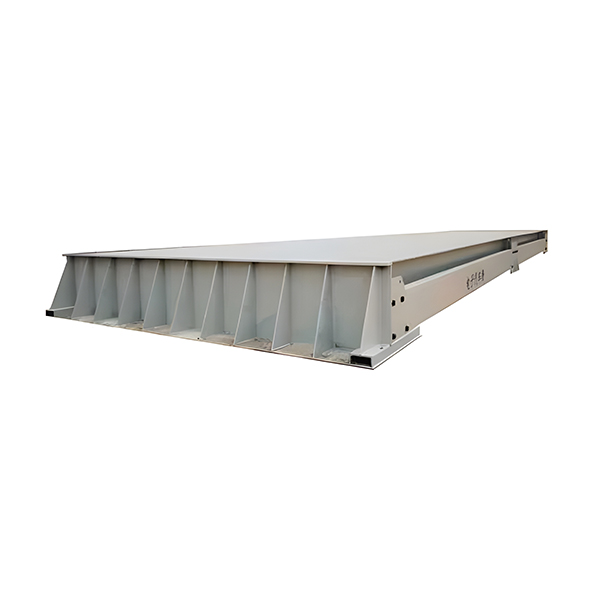
Unlike a platform scale or a weighbridge used in industrial or logistics contexts to measure vehicles and bulk cargo, an analytical balance operates in a completely different weight class and demands a completely different set of handling protocols. A weighbridge might tolerate a few kilograms of variation without consequence. An analytical balance does not forgive even a few milligrams of carelessness. Knowing this distinction shapes every decision you make at the bench.
The instrument works on the electromagnetic force restoration principle or the strain gauge principle depending on the model. In either case, the balance detects extremely small forces and converts them into a digital readout. The weighing chamber is enclosed with draft shields — typically glass or polycarbonate panels — specifically to block air currents that would otherwise disturb the measurement. Never remove or prop open these shields during a weighing operation.
Choosing the Right Location for Your Analytical Balance
Placement matters more than most users initially expect. The analytical balance should sit on a dedicated, vibration-dampened bench, ideally a stone or marble surface that is not attached to the main lab bench structure. Benches made of wood or lightweight metal transmit vibrations from foot traffic, centrifuges, and mechanical stirrers, all of which translate directly into noise in your readings.
Keep the following placement guidelines in mind:
- Place the balance away from air conditioning vents, fume hoods, and open windows. Air currents as gentle as 0.1 m/s can cause fluctuations of several tenths of a milligram.
- Avoid placing the balance near heat sources such as ovens, hot plates, or direct sunlight. Thermal gradients inside the weighing chamber create convection currents that destabilize readings.
- Keep the balance on a level surface. Use the built-in bubble level indicator to confirm horizontal alignment and adjust the leveling feet accordingly before every use session.
- Maintain a room temperature between 18°C and 26°C and a relative humidity between 45% and 60% for optimal performance. Many manufacturers state these ranges explicitly in their documentation.
- Avoid locations near strong electromagnetic fields or sources of static electricity, which can interfere with the balance's force transducers.
If your lab does not have a dedicated anti-vibration table, a simple improvement is to place the balance on a thick rubber mat combined with a heavy stone tile. This passive isolation dramatically reduces transmission of floor-borne vibration without the cost of a commercial anti-vibration platform.
Warming Up and Leveling the Balance
Most analytical balances require a warm-up period after being powered on. This is not a suggestion — it is a specification. Mettler Toledo, Sartorius, and Shimadzu, three of the most widely used manufacturers in research and quality control laboratories, all recommend warm-up times ranging from 30 minutes to 2 hours depending on the model and the ambient temperature at startup. During this time, the internal components stabilize thermally and the electronics reach steady-state operating conditions.
In practice, many laboratories leave their analytical balances powered on continuously during working hours to eliminate this warm-up requirement. If your lab operates this way, confirm that the power-saving settings on the balance do not put the instrument into a deep sleep mode that resets thermal equilibrium.
Before taking any measurement, check the bubble level indicator located on the top or front of the instrument. The air bubble must sit within the center circle. If it does not, adjust the leveling feet — typically threaded feet at the rear corners — while watching the bubble until it centers. Never attempt to take a measurement on an unlevel balance. Even a 0.1-degree tilt can introduce systematic error in the gravitational component of the measurement.
Calibration: Internal vs External and When to Do It
Calibration is the process of adjusting or verifying the balance's response against a known reference mass. This step is non-negotiable in any context where measurement traceability matters — pharmaceutical manufacturing, food safety testing, materials research, and regulated clinical environments all require documented calibration records.
Internal Calibration
Many modern analytical balances include a built-in calibration weight and automated internal calibration routine. On these models, pressing the "Cal" button initiates a sequence where the internal motor loads the reference mass onto the pan, the balance adjusts its internal constants, and the process completes in under two minutes. Instruments from Mettler Toledo's XPE series and Sartorius's Quintix series offer this as a standard feature. Use internal calibration at least once per day and immediately after moving the instrument or after a significant change in room temperature (more than 1–2°C).
External Calibration
Older models and some budget instruments lack internal weights. For these, you must use certified external calibration weights. These weights should be OIML Class E2 or F1, depending on your required accuracy. Handle calibration weights only with forceps or clean, lint-free gloves — never with bare hands, as skin oils and moisture transfer mass to the weight surface and corrupt the calibration. Store weights in their original protective cases when not in use.
For regulated environments, external calibration by an accredited metrology service should be performed at least annually, with certificates traceable to national standards (NIST in the United States, PTB in Germany, NPL in the UK, and equivalents elsewhere).
Span Calibration vs Zero Calibration
Zero calibration (also called tare calibration) sets the baseline reading with nothing on the pan. Span calibration adjusts the slope of the measurement response using a known mass at or near the instrument's full capacity. Both are required for complete calibration. Always perform zero calibration before span calibration, and always use a calibration weight that falls within the operating range specified by the manufacturer.
Step-by-Step: How to Use the Analytical Balance for a Standard Weighing
Once the balance is warmed up, leveled, and calibrated, follow this sequence for accurate results:
- Clean the weighing pan. Use a soft brush or clean dry cloth to remove any residue from previous use. Never use wet cloths or solvents directly on the pan without consulting the instrument manual.
- Close all draft shields. Confirm that all side and top panels are fully closed before proceeding.
- Press the tare or zero button. Wait for the display to read 0.0000 g and for the stability indicator (usually a small icon or dot) to appear. Do not proceed until the display is fully stable.
- Place your weighing vessel on the pan. This could be a weighing boat, a glass beaker, a watch glass, or a crucible. Open the draft shield, place the vessel gently in the center of the pan, and close the shield again.
- Tare the vessel. Press the tare button again. The display returns to 0.0000 g, now zeroed with the vessel included.
- Add your sample. Open the draft shield and carefully add the material to be weighed. For powders, use a spatula and add small amounts incrementally. Close the shield.
- Wait for stabilization. Watch the stability indicator. Only record the value when the indicator confirms a stable reading. This may take 5–30 seconds depending on sample type and environmental conditions.
- Record the mass. Write down or transfer the displayed value to your data record. For regulated work, document the balance ID, calibration date, and operator name alongside the measurement.
- Remove the sample and clean the pan. Remove all material, brush the pan clean, and leave the balance tared at zero for the next user.
Taring Correctly: Common Mistakes and How to Avoid Them
Taring is the act of zeroing the balance with a container already on the pan so that subsequent additions are measured relative to zero. It sounds simple, but taring errors are one of the most frequent sources of inaccuracy in routine lab weighing.
Common taring mistakes include:
- Taring before the reading has stabilized. If you press tare while the display is still fluctuating, the zero point is set incorrectly, and your measurement will carry that error forward. Always wait for the stability indicator.
- Using a warm or cold vessel. A container just removed from an oven or freezer creates thermal gradients inside the weighing chamber. Allow vessels to equilibrate to room temperature before taring — typically 15 to 30 minutes.
- Touching the pan or draft shield while taring. Any physical contact while the balance is settling resets the stabilization process. Withdraw your hands, close all shields, and wait quietly.
- Taring with a wet vessel. Moisture evaporates from the surface during weighing, causing the displayed mass to decrease over time. Dry all vessels completely before placing them on the pan.
- Placing items off-center on the pan. Most analytical balance pans are calibrated for centered loading. Placing a vessel at the edge can introduce off-center load errors, particularly in older instruments. Keep items centered.
Weighing Hygroscopic, Volatile, and Reactive Samples
Not all samples behave the same on the pan. Analytical balance technique must adapt to the physical and chemical nature of what you are weighing.
Hygroscopic Materials
Hygroscopic substances — materials that absorb moisture from the air, such as sodium hydroxide, phosphorus pentoxide, many pharmaceutical excipients, and certain inorganic salts — gain mass continuously while exposed to the atmosphere. The practical consequence is that your reading increases over time even when nothing is being added. To minimize this effect, weigh these materials as quickly as possible, keep containers capped when not actively transferring material, and consider using a desiccator to store materials immediately before weighing. For highly hygroscopic materials, a dry-box or glove bag may be necessary.
Volatile Liquids
Organic solvents and other volatile liquids evaporate even at room temperature. This means the reading decreases over time during weighing. Use tightly capped containers and work as fast as safely possible. Record the displayed value at the earliest stable reading. Do not weigh open volatile liquids directly in open vessels — use sealed vials or bottles with minimal headspace to reduce vapor loss.
Electrostatically Charged Powders
Fine powders, especially polymers and lyophilized biological materials, often carry electrostatic charges that cause erratic balance behavior. The charged particles may be repelled from or attracted to the pan and walls of the weighing chamber, causing the reading to drift unpredictably. Solutions include using an anti-static gun (ionizing air blower) to neutralize the charge before and during weighing, using grounded metal spatulas, and keeping ambient humidity at 50–60% where possible. Some laboratories use a Faraday cage arrangement around the balance to block external electrostatic fields when working with particularly difficult materials.
Reactive and Hazardous Chemicals
Weighing reactive chemicals requires additional precautions beyond standard technique. Oxidizers, corrosives, and toxic fine powders should be weighed inside a fume hood if vapor or dust exposure is a concern. However, fume hoods generate significant air turbulence that directly conflicts with precise balance operation. Use a balance specifically placed inside or adjacent to the hood with dedicated draft shielding, or transfer the sample rapidly in a closed container, tare within the hood, and take the final reading after closing the balance shields. Never weigh peroxides, azides, or other shock-sensitive materials directly on the balance pan without an appropriate secondary containment vessel.
Understanding Readability, Repeatability, and Linearity
Three performance specifications define what an analytical balance can actually deliver in practice. Understanding these numbers helps you select the right balance for a task and interpret your results correctly.
| Specification | Definition | Typical Value (Analytical Balance) | Practical Impact |
|---|---|---|---|
| Readability (d) | Smallest increment displayed | 0.1 mg (0.0001 g) | Determines how finely you can read a measurement |
| Repeatability (SD) | Standard deviation of repeated measurements of the same load | 0.1 mg or better | Determines consistency under identical conditions |
| Linearity | Maximum deviation from a straight-line response across the full range | ±0.2 mg | Determines accuracy across the measurement range |
| Capacity | Maximum load the balance can measure | 200 g or 320 g typical | Defines the maximum sample plus container mass |
Readability tells you the smallest digit the display can show. Repeatability tells you whether the balance gives you the same number when you weigh the same thing multiple times. These are different properties. A balance with excellent readability but poor repeatability is unreliable. Always check repeatability specification, not just readability, when evaluating an instrument for purchase or validation.
As a reference point, consider the contrast with a weighbridge used in truck weighing or commodity trade. A weighbridge typically has a readability of 20 kg and a capacity of 60 to 150 tonnes. The weighbridge and the analytical balance operate in completely different domains, but the underlying metrological principles — calibration, repeatability, traceability — apply to both. The discipline of correct use is the same even if the scale of measurement differs by a factor of a billion.
Minimum Weight and the Importance of Not Underloading
Every analytical balance has a minimum weight specification. This is the smallest sample mass that can be weighed with an acceptable level of uncertainty — typically defined as a relative uncertainty of 0.1% or better. For a balance with a repeatability of 0.1 mg, the minimum weight is approximately 82 mg using the USP calculation method (2 × t × σ / RSD_max, where t is the coverage factor and σ is the standard deviation from repeatability testing).
Weighing below the minimum weight does not trigger an alarm or error on most instruments — the balance will simply display a number. The problem is that at very small masses, the noise floor of the measurement becomes a large fraction of the total reading. If your repeatability is ±0.1 mg and you are trying to weigh 5 mg, that represents a ±2% uncertainty from noise alone, before accounting for any other sources of error. This level of uncertainty is unacceptable in most quantitative applications.
If you must work with very small masses, use a microbalance with a readability of 0.001 mg (1 µg) or a semi-microbalance with a readability of 0.01 mg. These instruments have correspondingly lower minimum weight thresholds. The choice of balance should always be driven by the minimum weight you need to measure, not just the maximum capacity.
Cleaning and Maintaining the Analytical Balance
Maintenance is not just about prolonging the life of the instrument — it is directly tied to measurement quality. Spilled samples, dust accumulation, and residue on the draft shield panels can all affect performance.
Daily Cleaning
After each use, brush the weighing pan with a dry, lint-free brush to remove any powder or debris. Clean the draft shield interior surfaces with a clean, slightly damp cloth using deionized water. Avoid any cleaning agents that leave residue, as trace contamination on the pan surface affects subsequent weighings. Remove the pan and the pan support if the design allows it, and clean underneath — small amounts of spilled material accumulate in this area and are frequently overlooked.
Weekly and Monthly Maintenance
On a weekly basis, remove the draft shield panels if they are detachable and clean them with isopropanol or a mild glass cleaner. Fingerprints and smears on the panels do not directly affect weighing performance but they scatter light and make the display harder to read. Check that the leveling feet have not drifted — floor surfaces in active laboratories can settle, particularly if the floor is subject to vibration. Monthly, verify the performance of the internal calibration weights against external certified reference weights and document the results. Any drift beyond the manufacturer's specified linearity is cause for service.
When to Call for Service
Contact the manufacturer or an authorized service technician if: the balance has been dropped or physically impacted; internal calibration fails to bring the balance within specification; repeatability has visibly degraded compared to historical performance records; or the balance displays error codes that cannot be resolved with a power cycle and recalibration. Do not attempt to open the instrument housing or adjust internal mechanisms — the load cell and electromagnetic actuators are calibrated at the factory and cannot be meaningfully adjusted in the field by a non-specialist.
Documentation and Traceability in Regulated Environments
In pharmaceutical laboratories operating under GMP (Good Manufacturing Practice), food testing facilities subject to ISO 17025 accreditation, and environmental testing labs, the weighing record is as important as the weighing itself. Regulators and auditors require that every measured mass can be traced back through a documented chain: from the sample, to the balance used, to its calibration record, to a certified reference standard with a traceable certificate, and ultimately to a national metrology standard.
Best practices for documentation include:
- Record the balance ID (serial number or asset tag), not just the model, in every weighing record. Multiple balances of the same model may be in use simultaneously.
- Record the date and time of calibration check performed immediately before the weighing session.
- Use a logbook or electronic lab notebook (ELN) to record each test weight verification result — mass displayed vs. mass expected — with pass/fail determination against your acceptance criteria.
- In computerized systems, ensure data integrity by using audit trail functions built into modern balance software. These record any changes to settings or calibration data with operator ID and timestamp.
- Retain calibration certificates and service records for the lifetime of the instrument plus a defined archive period, as required by your regulatory framework (typically a minimum of 5 years under most GMP guidelines).
This level of documentation discipline is comparable in principle to the weighbridge certification requirements used in legal-for-trade weighing applications — where a weighbridge must carry a valid verification certificate issued by a national weights and measures authority before it can be used for commercial transactions. The underlying principle is identical: any mass measurement with legal, commercial, or safety consequences requires documented, traceable calibration.
Practical Tips That Make a Measurable Difference
After covering the systematic principles, there are a number of practical habits that experienced laboratory scientists use to consistently improve measurement quality. These are not found in manufacturer manuals but are transferred through hands-on training.
- Use gloves when handling all containers that will be weighed. Skin moisture and oils add mass to glass surfaces. A single fingerprint on a 100 mL beaker can add 1–3 mg of mass.
- Weigh by difference for liquid dispensing. For liquids or pastes, weigh the container before and after dispensing, then subtract. This eliminates errors from surface tension, droplets adhering to the spatula, and incomplete transfers.
- Keep a dedicated set of spatulas for the balance area. Cross-contamination from residual material on spatulas is a real source of systematic error in multi-sample weighing sessions.
- Do not lean on or touch the balance bench while a measurement is in progress. Your body weight transferred through your elbows to the bench creates vibration that reaches the instrument.
- Perform triplicate weighings for critical applications. For sample preparation steps where mass directly determines the final calculation (such as preparing standard solutions for titration or HPLC calibration), weigh three times and use the mean. The spread of the three values also tells you whether the measurement was stable.
- Check the balance with a test weight every morning before use. A 100 mg or 200 mg certified weight placed on the pan should return a reading within ±0.2 mg of nominal. If it does not, recalibrate before proceeding. This 30-second check prevents an entire day's data from being invalid.
- Never overload the balance. Placing a mass greater than the balance's rated capacity can permanently damage the load cell. Always check the capacity label on the instrument before placing any object on the pan, particularly when weighing filled containers of unknown mass.
Copyright © Ningbo Jiuding Weighing Equipment Co., Ltd.
