


 English
 中文简体
中文简体
Industry News
How to Use Truck Scales: A Complete Operational Guide
Content
- 1 What You Need to Know Before Stepping onto a Truck Scale
- 2 Types of Truck Scales and How Each One Works
- 3 Step-by-Step: How to Use a Truck Scale Properly
- 4 Tare Weight, Gross Weight, and Net Weight — Understanding the Three Numbers
- 5 Legal-for-Trade Requirements and NTEP Certification
- 6 Common Errors That Cause Inaccurate Readings
- 7 How Truck Scale Systems Are Set Up at Operational Facilities
- 8 Truck Scale Use at DOT Weigh Stations — What Drivers Need to Know
- 9 Truck Scale Calibration: Why It Matters and How Often It Should Happen
- 10 Routine Maintenance That Keeps a Truck Scale Reliable
- 11 Truck Scale Applications Across Different Industries
- 12 Choosing the Right Truck Scale for a Facility
- 13 Troubleshooting a Truck Scale That Gives Inconsistent Readings
What You Need to Know Before Stepping onto a Truck Scale
Using a truck scale correctly comes down to three non-negotiable steps: position the vehicle fully on the platform, wait for the reading to stabilize, and record the displayed gross weight before pulling off. That's the core of it. But doing it right — legally, accurately, and safely — requires understanding what happens between the moment your tires roll onto the deck and the moment you receive a certified weight ticket.
Truck scales, also called weighbridges, are used across trucking, agriculture, construction, mining, recycling, and waste management. A single weigh event can determine whether a haul complies with federal axle limits (the standard U.S. federal gross vehicle weight limit is 80,000 pounds on Interstate highways), whether a commodity is priced correctly, or whether a facility is legally protected against overloading claims. Getting it right matters every single time.
Types of Truck Scales and How Each One Works
Not all truck scales operate the same way. Knowing which type you're dealing with changes how you position your vehicle and interpret the result.
Full-Length Static Scales
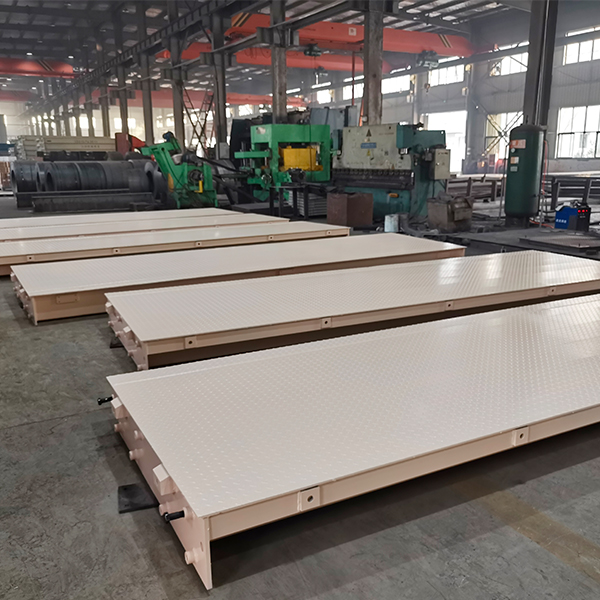
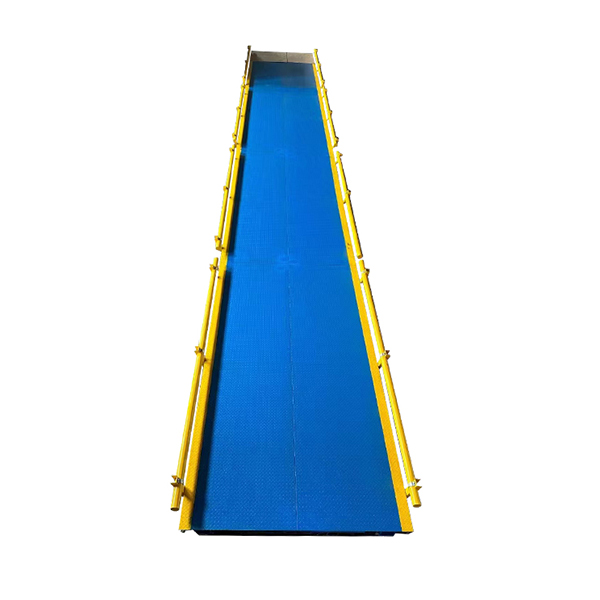
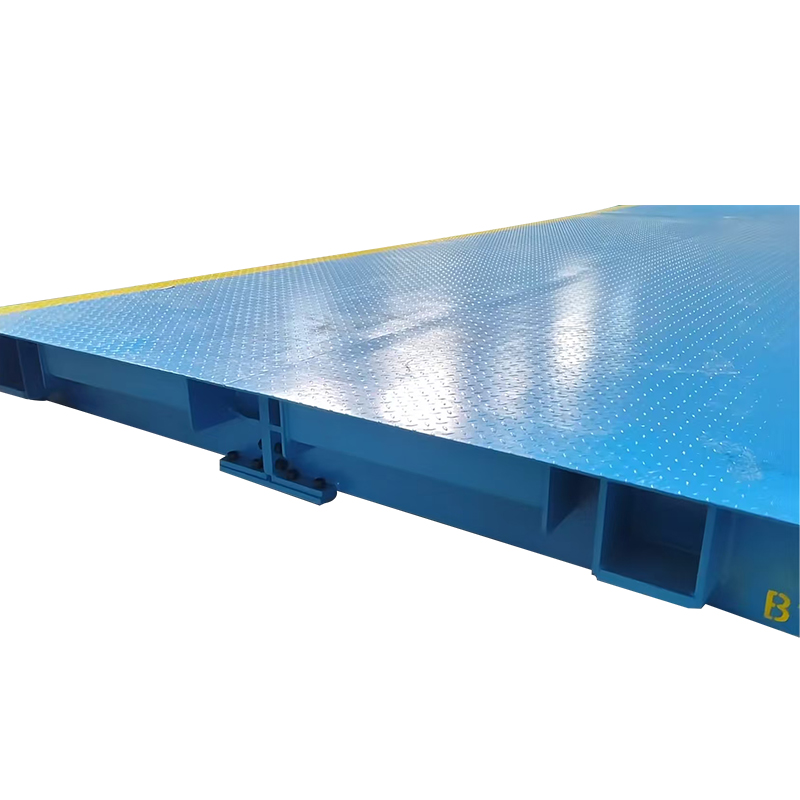
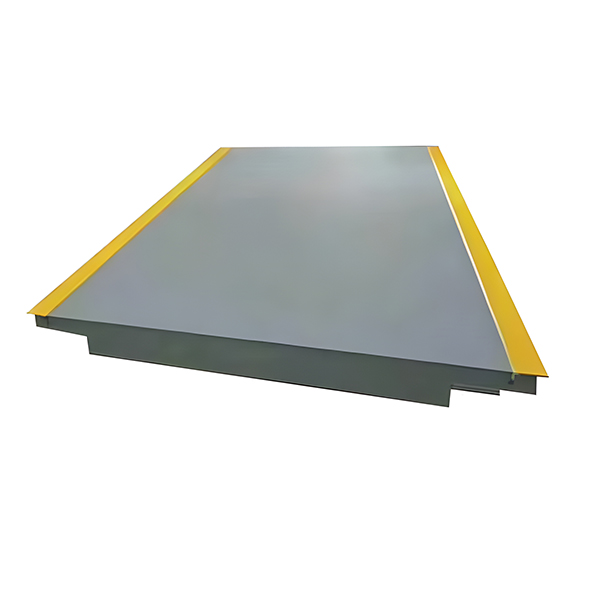
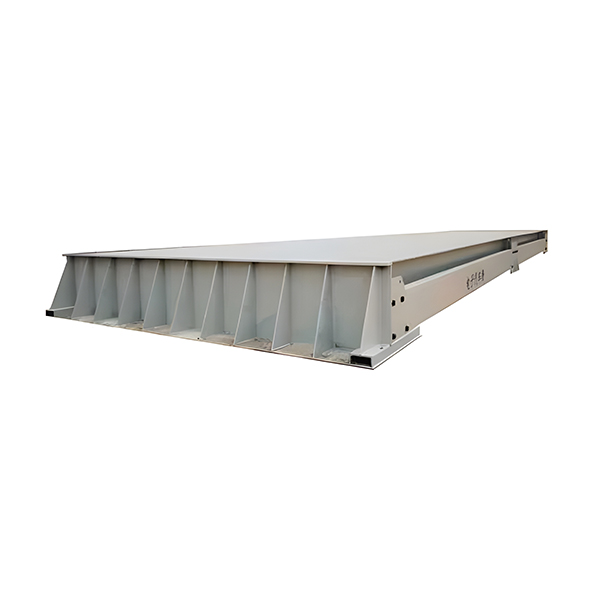
These are the most common type found at grain elevators, aggregates facilities, landfills, and highway weigh stations. A full-length platform — typically 70 to 105 feet long — accommodates the entire vehicle at once. The vehicle drives on, stops completely, and the system reads the total gross weight in a single static measurement. This is the most accurate method and the one required for certified legal-for-trade applications.
Axle Scales (Split-Weighing)
Shorter platforms weigh one axle group at a time. The driver pulls forward incrementally, stopping at each marked position so each axle set registers separately. The total is then summed. While more space-efficient, axle-by-axle weighing requires precise stopping points — a vehicle that's off by even a foot can skew individual axle readings. This method is common in facilities with limited space.
Pit-Type vs. Above-Ground Scales
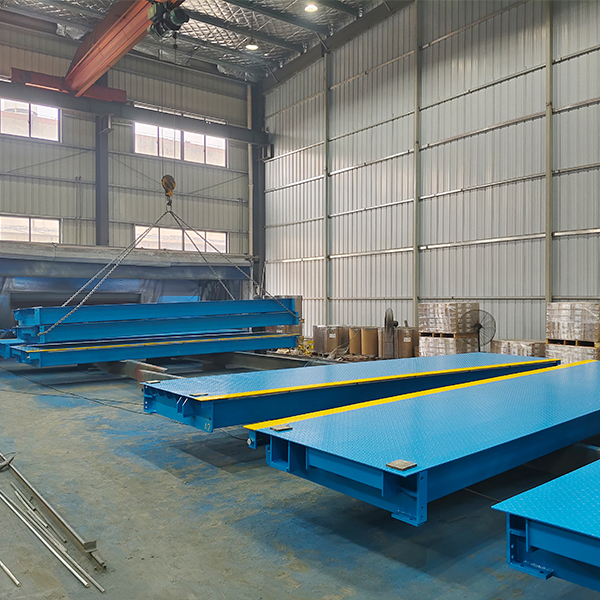
Pit-mounted scales are recessed into the ground so the platform is flush with the surrounding surface. Above-ground scales sit elevated on a concrete foundation with approach ramps. The weighing process is identical, but approach speed and ramp angle matter more on above-ground installations — hitting the ramp too fast causes dynamic loading that can affect sensor accuracy or damage load cells.
In-Motion Weighing Systems
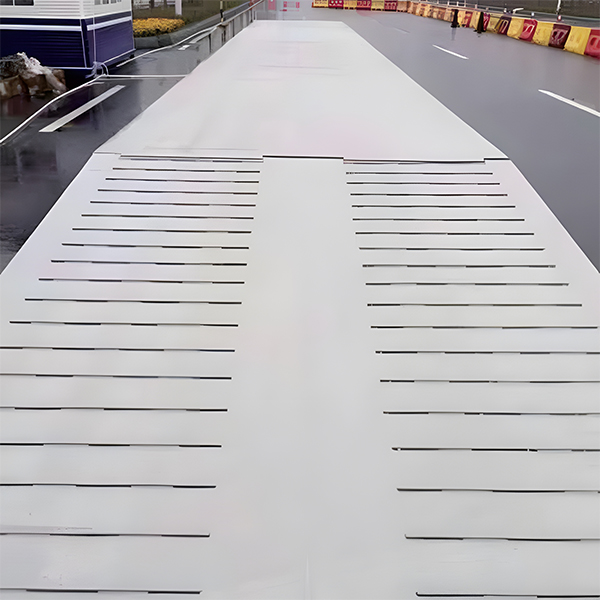
Weigh-in-motion (WIM) systems capture weight data while the vehicle rolls through at low speed — often 2 to 5 mph for high-accuracy systems or up to highway speed for screening purposes. These are common at toll plazas and enforcement corridors. WIM data is often used for screening, but legal-for-trade transactions still typically require a static confirmation weigh.
Step-by-Step: How to Use a Truck Scale Properly
Follow this sequence every time you use a commercial truck scale, whether it's at a grain elevator, a quarry, or a DOT enforcement station.
- Check for operational status. Look for signal lights or signage indicating the scale is open and zeroed. Many commercial truck scales display a green/red light system. Do not pull on while the platform is occupied or while maintenance is being performed.
- Approach slowly and straight. Drive onto the platform at a controlled crawl — ideally under 5 mph. Approach the scale in a straight line to avoid side-loading, which can distort readings. On above-ground scales, take the ramp at a constant, slow speed without braking on the platform itself.
- Center the vehicle on the platform. The entire vehicle — from front bumper to rear axle — must be fully within the platform boundaries. Overhanging the edge by even a few feet introduces significant weighing error. Some facilities use painted guides or wheel stops to help with positioning.
- Come to a complete stop and set the brake. Apply the parking brake. Do not leave the engine running with accessories that create heavy vibration during the weigh event if you can avoid it — though modern load cells are relatively vibration-resistant, a still vehicle gives the cleanest read.
- Wait for the weight indicator to stabilize. The digital indicator typically shows a stable reading within a few seconds. Many systems display a "stable" or "motion" light to confirm the reading has settled. Do not record or print the ticket while the reading is still fluctuating.
- Capture the weight ticket. In automated systems, the printer or kiosk will issue a ticket once you confirm the read. In attended facilities, the scale operator records the weight. Always verify the printed weight matches the display before pulling off.
- Pull off smoothly. Exit at a slow, controlled speed. Jerky acceleration can cause brief rocking that trips motion-detection sensors on adjacent weighing events.
Tare Weight, Gross Weight, and Net Weight — Understanding the Three Numbers
Every commercial weighing transaction involves at least two of these three figures, and confusing them is one of the most common and costly mistakes made at truck scales.
| Term | Definition | When It's Recorded | Example (lbs) |
|---|---|---|---|
| Gross Weight | Total weight of truck + load | When loaded, entering facility | 68,000 |
| Tare Weight | Weight of the empty truck only | When empty, exiting facility | 34,500 |
| Net Weight | Weight of the load only | Calculated: Gross minus Tare | 33,500 |
In a typical grain delivery scenario, the truck enters the facility loaded and receives a gross weight ticket. After unloading, it crosses the scale again empty for a tare weight. The system subtracts the tare from the gross to produce the net weight, which is what the farmer or hauler gets paid on.
Consistency is essential for tare accuracy. A truck's tare weight changes if the driver, fuel level, added tarps, or load-securing chains vary between weigh events. Facilities that require high accuracy often mandate that tare weights be taken within the same shift or with standardized fuel levels.
Legal-for-Trade Requirements and NTEP Certification
Not every truck scale is legal for use in commercial transactions. In the United States, scales used in buying and selling commodities — grain, scrap metal, aggregate, waste — must meet the requirements of the National Institute of Standards and Technology (NIST) Handbook 44 and carry approval from the National Type Evaluation Program (NTEP).
An NTEP Certificate of Conformance confirms that the scale model has been tested and meets accuracy, repeatability, and durability standards. But type approval alone isn't enough — the installed scale must also be:
- Calibrated by a licensed weights and measures technician using traceable test weights
- Inspected and sealed by the state or local weights and measures authority
- Re-inspected on a regular schedule — typically annually, though frequency varies by state
- Verified with zero tracking and tolerance checks between inspections
Using a non-certified scale for commercial transactions is a legal violation in every U.S. state. Fines for non-compliant weighing can range from hundreds to tens of thousands of dollars depending on jurisdiction and severity. Always check for a valid inspection seal and certificate date before relying on a truck scale for priced transactions.
Common Errors That Cause Inaccurate Readings
Even a properly calibrated truck scale can produce bad data if the vehicle or the environment introduces error. Here are the most frequent causes of inaccurate weighing and how to avoid them.
Partial Platform Contact
If any axle group sits off the platform edge, that weight is transferred to the ground rather than the load cells. A typical tandem rear axle assembly weighs around 17,000 to 34,000 pounds — losing those axles off the deck means the gross weight reading could be short by that entire amount.
Moving Vehicle During Measurement
Inching forward or rocking while the scale is trying to settle creates dynamic loading. The weight indicator will show a "motion" flag and refuse to lock. Forcing a print during motion typically locks in a reading that's off by hundreds or thousands of pounds.
Debris and Material Buildup Under the Platform
Gravel, concrete, ice, and compacted dirt can accumulate beneath or around the scale platform, creating a "bridging" effect where the platform rests partially on debris rather than solely on the load cells. This is one of the leading causes of zero drift in high-volume facilities. Regular inspection and clearing of the pit or undercarriage area is essential maintenance.
Temperature Extremes and Thermal Drift
Load cells are sensitive to temperature. A scale that was zeroed at 40°F may read differently at 90°F if not equipped with temperature compensation. Most modern digital truck scale systems include automatic temperature compensation, but analog or older digital systems may require more frequent zero checks during extreme temperature swings.
Scale Not Zeroed Before Use
A scale that hasn't been zeroed will carry an offset into every measurement. Always confirm the zero or request a zero confirmation printout before beginning a weigh session, particularly at the start of each shift. Most commercial truck scale indicators display a zero indicator light or symbol.
How Truck Scale Systems Are Set Up at Operational Facilities
Understanding the system behind the scale helps drivers and operators work within it more effectively. Most commercial truck scale installations consist of several interconnected components.
Load Cells
Load cells are the sensing elements — strain gauge devices that convert mechanical force into an electrical signal. A standard full-length truck scale uses 6 to 12 load cells distributed along the platform. The signals from all cells are summed by a junction box and sent to the indicator. Load cell failure — from lightning, corrosion, or physical damage — is the most common hardware issue in truck scale maintenance.
Weight Indicator
The indicator (sometimes called the head or terminal) processes the analog signal from the load cells, converts it to a digital weight reading, and displays it. Modern indicators communicate via digital protocols (such as RS-232 or Ethernet) with scale management software, printers, and remote displays. Features like tare memory, print formatting, and truck ID entry are all managed through the indicator.
Scale Management Software
High-volume facilities use scale management software to automate ticket generation, link truck IDs to stored tare weights, integrate with inventory or ERP systems, and maintain audit trails. Some systems use RFID transponders on vehicles to automatically identify a truck as it pulls onto the scale, pulling up the stored tare and pre-populating the ticket.
Traffic Control and Safety Devices
Signal lights, intercoms, cameras, and barrier arms are installed at busy scales to manage traffic flow and prevent double-loading. At unmanned facilities, a driver intercom or kiosk replaces the scale house operator. Safety interlocks prevent ticket printing unless the scale is occupied and reading stable.
Truck Scale Use at DOT Weigh Stations — What Drivers Need to Know
Weigh stations on U.S. highways exist to enforce federal and state weight limits, ensuring roads aren't damaged by overloaded trucks and that freight is moved safely. Compliance here is not optional — failure to stop when required is a misdemeanor in most states, and overweight penalties are significant.
When Drivers Must Stop
Commercial motor vehicles over 10,000 pounds GVWR are generally required to stop at open weigh stations. PrePass and similar electronic clearance systems allow pre-cleared carriers to bypass when their transponder receives a green light — typically based on vehicle history, safety ratings, and weigh-in-motion pre-screening upstream of the station.
The Weigh Station Process
After receiving a green or bypass clearance, drivers who are directed in proceed slowly onto the static or WIM platform. Officers may direct the vehicle to a secondary inspection if the initial reading is close to or above limits, or if the vehicle is selected for a full DOT compliance inspection. At many modern stations, WIM sensors embedded in the highway pre-screen all vehicles before they reach the scale building, allowing officers to pull only likely violators for static weighing.
Weight Limits to Know
- Federal gross vehicle weight limit (Interstate): 80,000 lbs
- Single axle limit: 20,000 lbs
- Tandem axle limit: 34,000 lbs
- Bridge formula limits vary based on axle spacing and number of axles
- State-level limits may differ — some states allow higher gross weights on state routes
Overweight fines vary dramatically by state and by the degree of overweight. In some states, fines can reach $65 per pound over the limit for significant violations. Beyond fines, overweight violations can trigger out-of-service orders that ground the vehicle until it's brought into compliance.
Truck Scale Calibration: Why It Matters and How Often It Should Happen
Calibration is the process of applying known test weights to the scale platform and adjusting the indicator to display the correct values. It's distinct from certification — calibration is a technical adjustment, while certification is a regulatory approval. Both are necessary for legal-for-trade use.
What Affects Calibration Accuracy
Accuracy tolerances for certified truck scales under NIST Handbook 44 are expressed in terms of acceptable maintenance tolerances — typically ±0.1% of the test load or one scale division, whichever is greater. For a 100,000-pound test, that's ±100 pounds. Small as that sounds, cumulative error across thousands of loads per year translates to significant financial discrepancy.
Calibration Frequency
State weights and measures inspections typically occur annually, but most high-volume facilities calibrate more frequently — quarterly or semi-annually — to stay ahead of drift. Calibration should also occur after:
- Load cell replacement
- Indicator replacement or firmware update
- Physical damage to the platform (impact from an oversize load, for example)
- Significant settlement of the concrete foundation
- Any customer dispute about weight accuracy
Span Calibration vs. Zero Calibration
Zero calibration sets the baseline reading when the scale is empty. Span calibration sets the reading across the operational weight range using certified test weights. A properly calibrated truck scale will be accurate across its full capacity — not just at a single reference point. Most industrial truck scales have capacities of 80 to 200 tons.
Routine Maintenance That Keeps a Truck Scale Reliable
A truck scale is a piece of infrastructure that sits outdoors, handles heavy mechanical loads all day, and is expected to maintain measurement accuracy within fractions of a percent. That doesn't happen without deliberate maintenance.
Daily Checks
- Verify zero with no vehicle on the scale at the start of each operating day
- Inspect the deck surface for debris accumulation — particularly at facilities handling loose materials like grain or aggregate
- Check approach surfaces for cracks or heaving that could cause vehicles to bounce onto the platform
- Confirm indicator display is functioning and readable
Weekly and Monthly Tasks
- Clear debris from pit area, bumpers, and check rods (the restraints that prevent lateral platform movement)
- Inspect load cell cables and conduit for rodent damage or physical wear
- Lubricate check rods and mechanical components per manufacturer specifications
- Verify printer function and paper supply
- Run a reference weight check using a vehicle with a known tare if certified test weights aren't available
Seasonal Considerations
In cold climates, ice accumulation under the scale deck is a significant accuracy risk. Heating cables installed beneath pit-type scales prevent ice bridging. For above-ground scales, keeping approach surfaces clear of snow and ice prevents vehicles from sliding on during approach — a safety hazard and a potential cause of platform damage.
Truck Scale Applications Across Different Industries
The mechanics of using a truck scale are consistent, but the operational context differs significantly by industry. Here's how different sectors integrate weighbridge operations.
| Industry | Primary Use | Key Accuracy Concern | Typical Weighing Frequency |
|---|---|---|---|
| Agriculture / Grain | Commodity pricing, storage tracking | Net weight for payment | Hundreds per day at harvest peak |
| Construction / Aggregate | Material sold by weight, load compliance | Overweight compliance per trip | Continuous throughout operating hours |
| Waste / Recycling | Tipping fee calculation | Gross-tare differential | High volume, often unmanned |
| Mining | Ore and concentrate inventory | High-capacity accuracy (100+ tons) | Shift-by-shift production tracking |
| Lumber / Forestry | Log weight for purchase pricing | Wet vs. dry weight variation | Per load delivered |
In waste management, facilities use the gross-tare difference to charge by the ton for incoming loads. A typical municipal solid waste facility might charge $50 to $100 per ton, making even a 500-pound error worth $25 to $50 per load — and with hundreds of loads per day, inaccurate scales are a serious revenue problem.
Choosing the Right Truck Scale for a Facility
For facility managers or business owners evaluating a truck scale purchase or upgrade, the decision involves several practical factors beyond just listed capacity.
Platform Length
Match the platform length to the longest vehicle expected. A standard 53-foot trailer on a 5-axle semi requires a platform of at least 70 feet for a full static weigh. If longer vehicles — B-trains, double-trailers — are expected, platforms of 90 to 105 feet may be needed. Undersized platforms force axle-by-axle split weighing, which slows throughput.
Capacity Rating
Capacity ratings typically range from 80 to 200 tons. While most highway trucks won't exceed 40 tons, facilities handling heavy equipment, mining trucks, or multi-axle specialty vehicles may need higher-capacity platforms. Overloading a scale beyond its rated capacity damages load cells and voids certification.
Pit vs. Above-Ground Installation
Pit-type installations offer flush approach surfaces and look cleaner, but require excavation and drainage engineering — plus ongoing pit maintenance. Above-ground scales cost less to install and are easier to maintain underneath, but require approach ramps that add to the overall footprint. In areas with high water tables, above-ground is often the only practical option.
Connectivity and Automation
Modern truck scales offer network connectivity, cloud-based data management, RFID vehicle identification, and integration with ERP or commodity management software. For high-volume operations, automated ticketing systems reduce labor costs and eliminate manual entry errors. Kiosk-based unattended operation is increasingly common at recycling centers and aggregate quarries operating after-hours.
Troubleshooting a Truck Scale That Gives Inconsistent Readings
When a truck scale starts producing readings that don't match expectations — whether a vehicle is returning different weights on consecutive passes, or readings seem high or low compared to known loads — a systematic approach is needed.
First: Verify Zero
With the scale empty and stable, confirm the zero reading. If zero has drifted by more than one graduation (the smallest display increment), investigate before proceeding. A drifting zero can indicate debris under the platform, a damaged check rod, or a failing load cell.
Second: Check for Physical Interference
Walk around and under the scale. Look for rocks, concrete chunks, or ice contacting the underside of the platform. Check that check rods are not binding — they should allow the platform to move freely by a small amount under load without touching surrounding structures. Debris between the platform edge and the surrounding apron is a frequent culprit.
Third: Individual Load Cell Diagnostics
Using a junction box diagnostics tool or a handheld millivolt meter, a technician can check the output of each individual load cell. A cell with significantly different output under load compared to its neighbors indicates failure or damage. Most modern digital truck scale systems allow individual cell diagnostics through the indicator software.
Fourth: Review Environmental Factors
Wind loading on the vehicle can cause a few hundred pounds of variation. Idling engines and air compressors cycling create vibration. If readings vary by a consistent pattern — higher in morning, lower in afternoon — temperature-related thermal expansion of the platform structure may be a factor. These are typically small effects but can matter in precision applications.

Copyright © Ningbo Jiuding Weighing Equipment Co., Ltd.
