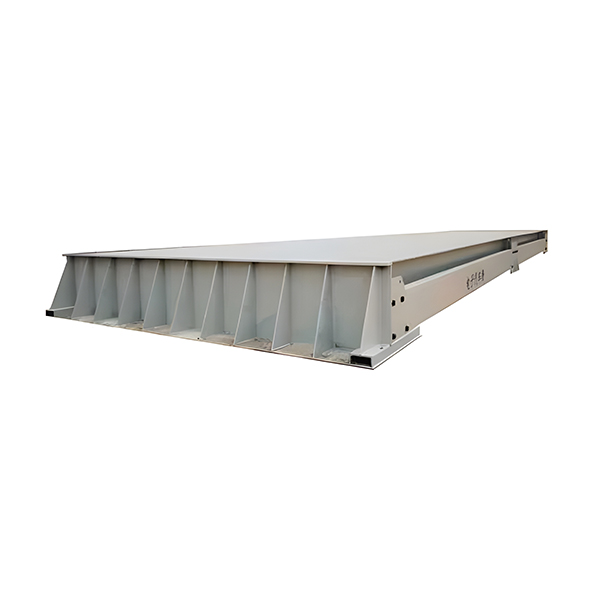
A weighing balance is an instrument used to measure the mass or weight of an object by comparing it against known reference weights or through electronic force sensors. At its core, a weighing balance operates on the principle of equilibrium — either by physically balancing loads on opposing pans, or by electronically detecting the force exerted by a load. In industrial and commercial settings, the term "weighbridge" refers to a large-scale platform weighing system specifically designed for vehicles, heavy goods, and bulk materials, and it is one of the most critical members of the weighing balance family.
Whether you are managing a freight terminal, running a grain processing plant, or simply measuring laboratory samples, understanding what a weighing balance is — and choosing the right type — directly impacts accuracy, efficiency, and profitability.
The Core Working Principle Behind a Weighing Balance
Every weighing balance, regardless of its size or application, relies on one of two fundamental mechanisms:
- Mechanical balance: Two pans are suspended from a central pivot beam. When an unknown mass is placed on one side and calibrated reference weights on the other, equilibrium indicates the measured value. This design has been used for thousands of years and remains in use for precise laboratory work.
- Electronic/digital balance: A load cell — typically a strain gauge bonded to a metal element — deforms under load. This deformation changes electrical resistance, which is converted into a precise weight reading. Modern weighbridges and platform scales almost universally use this approach.
The accuracy of any weighing balance is influenced by environmental factors such as temperature fluctuations, vibration, air currents, and electromagnetic interference. High-end systems include built-in compensation algorithms to maintain reliable readings across conditions.
Main Types of Weighing Balances and Their Applications
The world of weighing instruments spans from sub-milligram analytical balances to multi-axle weighbridges capable of handling over 200 tonnes. Each type serves a distinct operational purpose.
Analytical Balance
Used in laboratories and research facilities, analytical balances provide readability down to 0.0001 g (0.1 mg). They are enclosed in draft shields to eliminate air movement interference. Applications include pharmaceutical formulation, chemical research, and quality control testing.
Precision Balance
With readability typically between 0.001 g and 0.1 g, precision balances are workhorses in industrial quality control, food production, and educational settings. They offer a wider weighing range than analytical balances without sacrificing too much accuracy.
Platform Scale
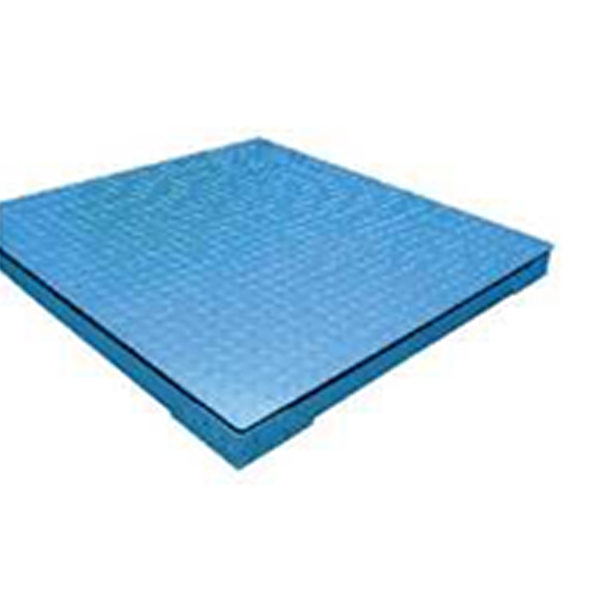
Designed for weighing larger items in warehouses, shipping departments, and retail environments. Platform scales typically handle loads from 50 kg to 2,000 kg, making them essential for parcel weighing, pallet checks, and inventory management.
Weighbridge (Vehicle Scale)
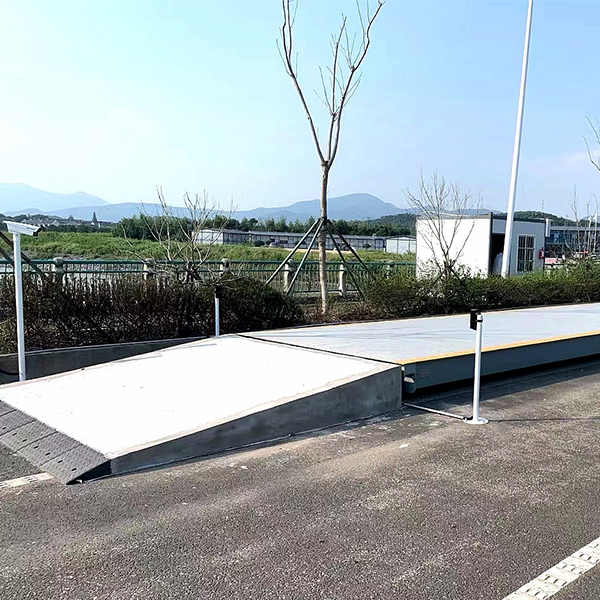
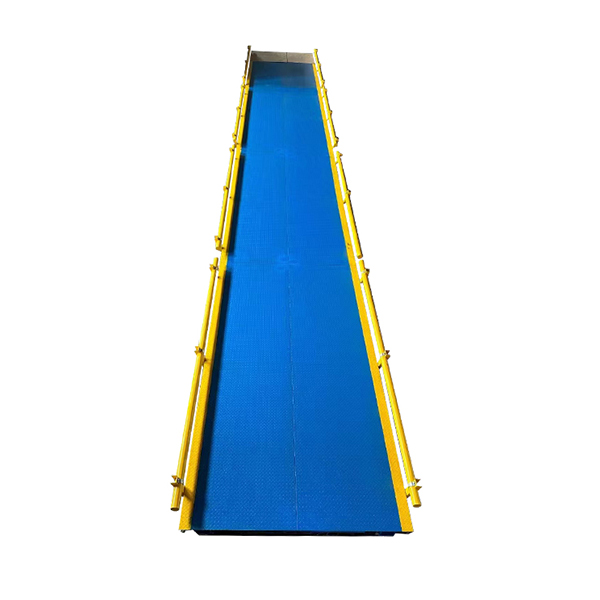
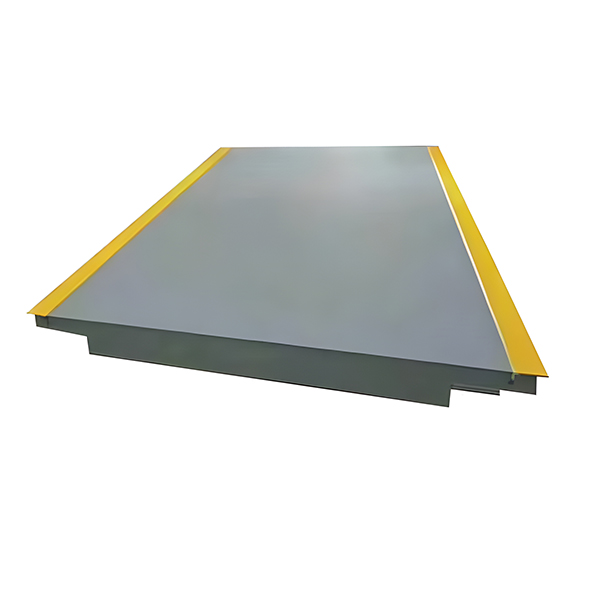
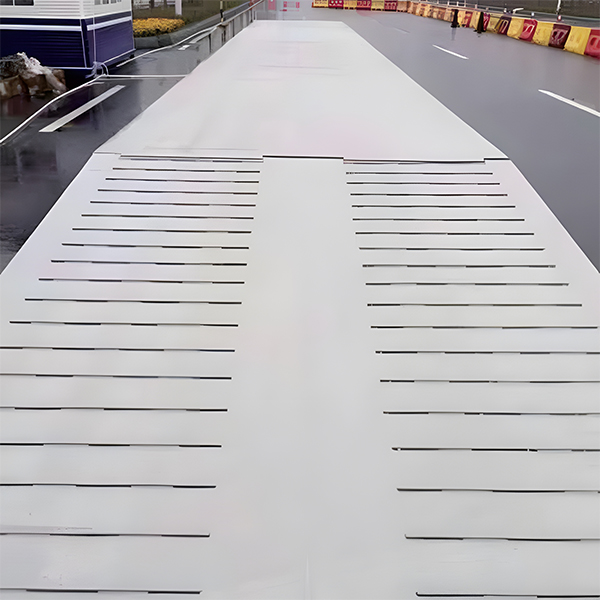
A weighbridge is a type of heavy-duty weighing balance installed flush with or slightly above ground level to weigh entire vehicles and their loads. Standard weighbridge platforms range from 8 meters to 24 meters in length, with capacities between 60 tonnes and 200 tonnes. They are central to mining, agriculture, waste management, and logistics operations.
Crane Scale
Suspended from lifting equipment, crane scales measure heavy loads in motion — ideal for steel fabrication plants, construction sites, and port terminals. Capacities range from 1 tonne to over 300 tonnes.
Moisture Balance (Halogen/Infrared)
A specialized weighing balance that combines a precision scale with a heating element. The instrument measures the weight of a sample before and after drying to calculate moisture content. Widely used in food processing, plastics manufacturing, and agricultural grain handling.
Weighing Balance Comparison: Key Specifications at a Glance
The table below summarizes the primary technical differences among the most commonly used weighing balance types, helping you identify the right instrument for your needs.
Table 1: Comparison of common weighing balance types by capacity, readability, and typical use
| Type |
Typical Capacity |
Readability |
Primary Industry |
Installation |
| Analytical Balance |
Up to 520 g |
0.0001 g |
Pharma / Lab |
Benchtop |
| Precision Balance |
Up to 30 kg |
0.01 g |
Food / QC |
Benchtop |
| Platform Scale |
50 kg – 2,000 kg |
0.1 kg – 1 kg |
Warehouse / Retail |
Floor-mounted |
| Weighbridge |
60 t – 200 t |
20 kg – 50 kg |
Mining / Logistics |
In-ground / Surface |
| Crane Scale |
1 t – 300 t |
0.5 kg – 10 kg |
Steel / Port |
Suspended |
What Is a Weighbridge and How Does It Differ from Other Weighing Balances
A weighbridge is essentially an oversized platform weighing balance embedded in or placed on the ground, engineered to capture the combined weight of a vehicle and its cargo. The term is most commonly encountered in bulk commodity industries — quarrying, agriculture, recycling, and port logistics — where individual consignments may weigh tens of tonnes.
Unlike a benchtop or floor scale, a weighbridge system typically includes:
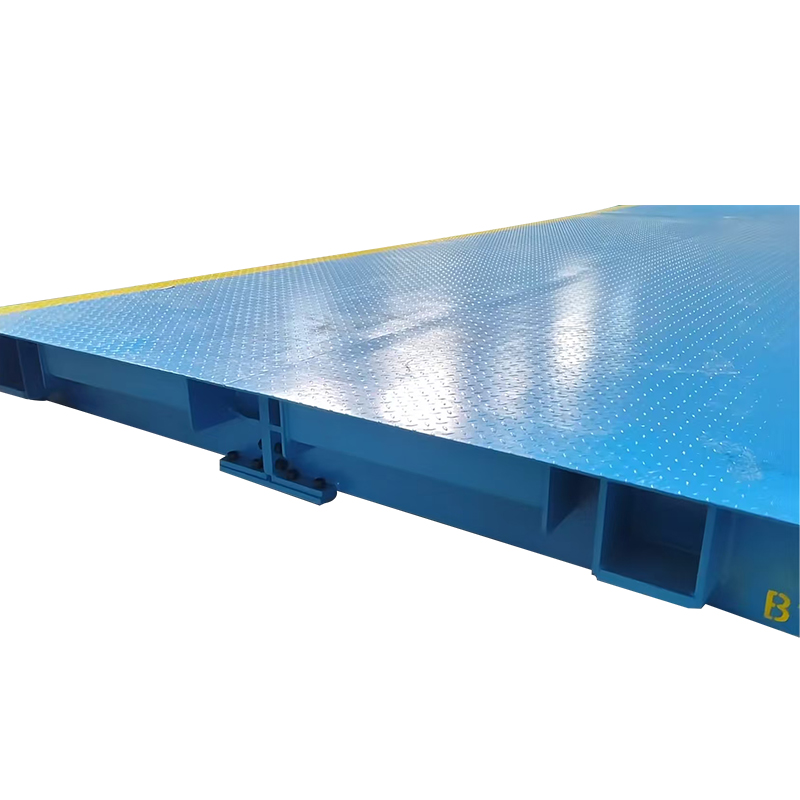
- A steel or concrete platform deck spanning the full wheelbase of the vehicle
- Multiple load cells — often 4 to 8 — positioned beneath the deck corners and mid-span supports
- A junction box that sums the signals from all load cells
- A weight indicator or terminal, often with a printer, barcode scanner, or network connection
- Optional automated features: ANPR (automatic number plate recognition) cameras, traffic light signals, intercom systems, and remote data management software
The gross vehicle weight is determined by subtracting the tare weight (the empty truck) from the gross weight reading. This "gross minus tare" method is the standard operating procedure on every weighbridge worldwide and underpins billing accuracy for bulk material transactions.
200 t Maximum weighbridge capacity for multi-axle rigs
24 m Longest standard weighbridge deck length
20 kg Typical weighbridge readability increment
Key Components That Make a Weighing Balance Accurate
Accuracy in a weighing balance is not a single feature — it is the result of every component performing correctly together. Here is what matters most:
01
Load Cells
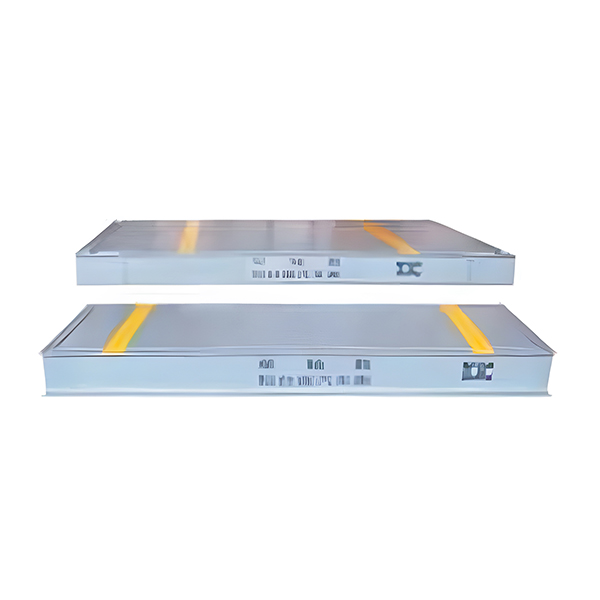
The heart of any electronic weighing balance. Load cells convert mechanical force into an electrical signal. Strain gauge load cells are by far the most common. A high-quality load cell will have an accuracy class of C3 or better (as defined by OIML standards), a non-linearity under 0.02%, and protection ratings of IP67 or IP68 for water and dust resistance — essential for outdoor weighbridge installations.
02
Weight Indicator / Controller
The indicator receives the millivolt signal from the load cell, amplifies and converts it to a digital reading, applies span and zero calibration, and displays the weight. Modern indicators support digital communication protocols including RS-232, RS-485, Modbus RTU/TCP, and Ethernet/IP for integration into ERP and warehouse management systems.
03
Platform or Deck Structure
For a weighbridge, the platform deck must be rigid enough to distribute the vehicle load evenly across all load cells. Structural steel designs with I-beam or box-section construction are standard. Concrete decks offer longer surface life in high-abrasion environments like aggregate quarries. The platform must also handle dynamic load effects — the additional stress caused by vehicles driving onto the scale at speed.
04
Calibration Weights
Calibration establishes the relationship between the raw load cell signal and the actual weight. For a weighbridge, calibration requires certified test weights of at least 10% of the maximum scale capacity — meaning a 100-tonne weighbridge needs at least 10 tonnes of traceable test weights. Calibration should be performed after installation, after any repair, and at regular intervals depending on usage frequency.
05
Software and Data Management
Modern weighbridges and industrial weighing balances are increasingly networked. Software platforms capture transaction records, generate tickets, produce usage reports, and flag overloaded vehicles automatically. Cloud-connected systems allow real-time monitoring of weighbridge performance indicators — including load cell output balance, zero drift, and calibration history — without requiring on-site personnel.
Industries That Rely on Weighing Balances and Weighbridges Daily
Weighing technology cuts across nearly every sector of the economy. Below is a closer look at the industries where weighing balances — particularly weighbridges — are mission-critical infrastructure.
Mining and Quarrying
Mining operations use weighbridges to track the tonnage of extracted material leaving the site. Accurate weight data is essential for royalty calculations, haul truck payload optimization, and safety compliance. A typical open-cut coal mine may process hundreds of weighbridge transactions per day, with each transaction representing tens of thousands of dollars in material value.
Agriculture and Grain Handling
Grain silos, feedlots, and commodity traders depend on platform scales and weighbridges to measure grain deliveries and departures. Crop payments are calculated directly from weighbridge tickets, so even a 0.5% error on a 30-tonne delivery at $400 per tonne equals a $60 discrepancy per truck — which compounds to significant financial impact across a harvest season.
Waste Management and Recycling
Transfer stations and landfill sites use weighbridges to charge customers based on waste tonnage deposited. Recycling facilities weigh incoming scrap metal, paper, and plastics, then weigh outgoing baled product to calculate material yield. Weighbridge data also supports environmental reporting on waste diversion rates.
Logistics and Road Transport
Overloaded trucks cause disproportionate road damage — a single vehicle exceeding its axle weight limit by 20% can cause the same damage as 40,000 cars passing the same point. Weighbridge data at loading facilities ensures vehicles depart within legal axle limits, protecting both infrastructure and the transport operator from penalties.
Food and Beverage Processing
Ingredient batching, portion control, and recipe compliance all depend on accurate weighing balances. A bakery producing 50,000 units per day where each loaf should weigh 400 g must maintain weighing accuracy within a few grams to control raw material costs. Checkweighers — high-speed automatic weighing balances integrated into production lines — can process over 200 items per minute while rejecting out-of-tolerance products.
Pharmaceutical Manufacturing
Active pharmaceutical ingredients (APIs) are weighed at sub-milligram levels on analytical balances during formulation. The tolerances are strict: a batch where each tablet deviates by more than 5% from the target weight fails quality control. Pharmaceutical manufacturers maintain detailed weighing records as part of Good Manufacturing Practice (GMP) compliance documentation.
Steel and Metal Production
Steel mills and foundries use a combination of crane scales, floor scales, and weighbridges to track metal flow throughout the production cycle. Scrap is weighed on intake, molten metal is weighed via ladle crane scales during casting, and finished coils are weighed before despatch. Crane scales in this environment may handle single lifts exceeding 100 tonnes.
How to Select the Right Weighing Balance for Your Operation
Choosing the correct weighing instrument depends on matching instrument specifications to operational requirements. Working through the following considerations in order will narrow your options efficiently.
- Define your maximum load and resolution requirements. The scale capacity must exceed your heaviest expected load by at least 20% as a safety margin. Resolution (readability) should be matched to the precision your process demands — there is no operational benefit to paying for 0.1 g readability if your application only needs 1 g precision.
- Assess the physical environment. Will the weighing balance be exposed to moisture, chemicals, extreme temperatures, or explosive atmospheres? Outdoor weighbridges require weatherproof load cells and enclosures. Food processing scales need stainless steel construction and full washdown capability (IP69K rating). ATEX-rated equipment is mandatory in hazardous areas such as flour mills, fuel depots, and chemical plants.
- Consider throughput and speed requirements. A static weighbridge can process a vehicle in under 60 seconds for a skilled operator. High-throughput quarries may need two weighbridges operating in tandem to avoid queuing bottlenecks. Production line checkweighers must match conveyor speed, which may exceed 120 metres per minute.
- Determine integration requirements. Does the weighing balance need to communicate with an ERP system, a fleet management platform, or a laboratory information management system (LIMS)? Confirm what communication protocols the indicator supports before purchase.
- Evaluate total cost of ownership. Purchase price is only one part of the equation. Consider installation costs (a pit-mounted weighbridge installation can cost as much as the equipment itself), annual maintenance, calibration costs, and the financial impact of downtime if the scale fails during peak operations.
Maintaining a Weighing Balance for Long-Term Accuracy
Even the most accurately specified weighing balance will drift or fail if it is not maintained properly. A structured maintenance program protects both accuracy and equipment longevity.
D
Daily Checks
- Zero the balance with an empty platform before first use
- Check display for error codes or unusual readings
- Inspect platform surface for debris, especially on weighbridges
- Verify printer paper stock and ticket output quality
W
Weekly Checks
- Perform a span check using a known test weight
- Inspect load cell cables and junction box for damage or moisture ingress
- Check that all approach ramps are clear and undamaged on weighbridges
- Review recent transaction data for outliers that may indicate a load cell fault
M
Monthly / Quarterly
- Clean load cell mounting points and check for corrosion
- Inspect structural welds and concrete surrounds for cracking (weighbridge)
- Back up weighbridge transaction data
- Test all indicator functions including communications ports
A
Annual Calibration
- Full calibration using traceable test weights across the working range
- Corner load test for platform scales to verify even load cell contribution
- Repeatability and hysteresis test at multiple load points
- Issue updated calibration records and update indicator calibration parameters
A well-maintained weighbridge typically has a service life of 20 to 30 years for the structural platform and 10 to 15 years for load cells, provided they are protected from water ingress and overloading. Load cell replacement is the most common maintenance task and can often be performed without taking the weighbridge out of service for extended periods.
Common Questions About Weighing Balances
What is the difference between a weighing balance and a weighing scale?
The terms are often used interchangeably. Technically, a "balance" refers to an instrument that compares an unknown mass against a reference mass, while a "scale" measures weight (force due to gravity) directly using a spring or load cell. In modern usage, both terms describe instruments that display a mass reading in grams, kilograms, or tonnes. A weighbridge is always classified as a scale rather than a true balance, as it measures gravitational force via load cells.
How accurate is a weighbridge?
A well-installed and calibrated weighbridge will typically achieve an accuracy of plus or minus 20 kg on a 100-tonne load — equivalent to 0.02% of full scale. OIML accuracy class III instruments, which most commercial weighbridges fall under, allow a maximum permissible error of 0.5 scale intervals at low loads and 1.0 scale intervals at high loads after installation. Regular calibration keeps the scale within these tolerances.
Can temperature affect a weighing balance?
Yes. Most load cells have a temperature coefficient — a small change in output per degree Celsius of temperature change. For a high-quality industrial load cell, this may be as low as 0.001% of full scale per degree. Over a 40-degree outdoor temperature range (from -10°C to +30°C), this could introduce a 0.04% error. Premium weighbridges include temperature-compensated load cells and automatic zero-tracking to minimize this effect.
How often should a weighing balance be calibrated?
For industrial weighing balances used in commercial transactions — including weighbridges used to bill for goods — calibration frequency depends on usage intensity and local requirements. High-volume weighbridges processing more than 100 vehicles per day should have a calibration check at least every six months. Low-volume installations may be calibrated annually. Analytical balances in laboratory settings should be calibrated before each use with internal or external calibration weights.
What is the maximum weight a weighing balance can measure?
There is no theoretical maximum. The largest weighing balances ever constructed include railway weighbridges and ship weighing systems. The largest commercially available truck weighbridges handle up to 200 tonnes for standard road vehicles. Specialty mining weighbridges designed for ultra-class haul trucks — such as the Caterpillar 797F with a gross vehicle weight of 687 tonnes — are custom-engineered to individual site specifications.
Choosing the Right Weighing Balance Starts With Understanding Your Load
A weighing balance is not simply a commodity instrument — it is a measurement system whose accuracy has direct financial and operational consequences. Whether you are selecting an analytical balance for a pharmaceutical laboratory, a platform scale for a busy warehouse, or a weighbridge for a quarry or logistics depot, the selection process should be driven by capacity, accuracy class, environmental ratings, throughput requirements, and total cost of ownership.
Weighbridges occupy a unique position in the weighing balance family because they are simultaneously the largest, most durable, and most commercially consequential instruments in widespread use. A single weighbridge transaction can represent the billing basis for a consignment worth tens of thousands of dollars, making calibration integrity and routine maintenance non-negotiable commitments rather than optional best practices.
By matching the right instrument to the right application — and maintaining it properly throughout its service life — operators across every industry can achieve the accuracy, reliability, and data integrity that modern commerce demands.



 English
 中文简体
中文简体