


 English
 中文简体
中文简体
Industry News
What is a weighbridge? A technical guide.
Content
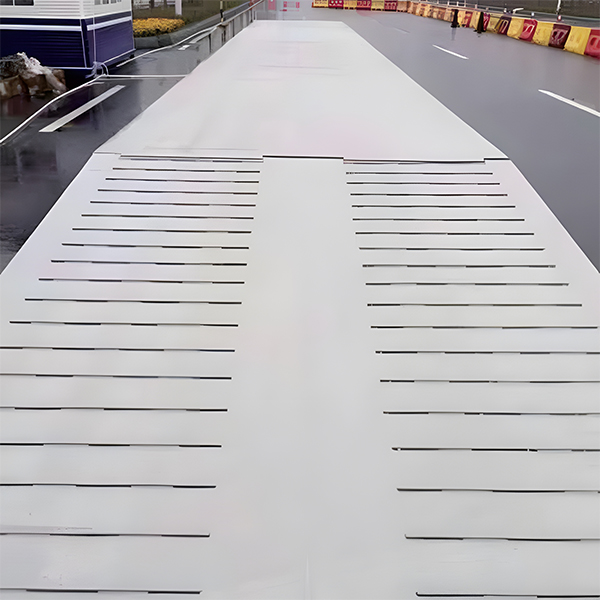
A weighbridge is a large weighing device primarily used to weigh the total weight of large vehicles (such as trucks, trailers, and train cars) and their cargo. You can think of it as a giant "scale" capable of supporting the weight of a truck.
● Main Uses and Working Principles of a Weighbridge
The core function of a weighbridge is to provide accurate and reliable weight data, which is crucial for commercial transactions, logistics management, road safety, and compliance with laws and regulations.
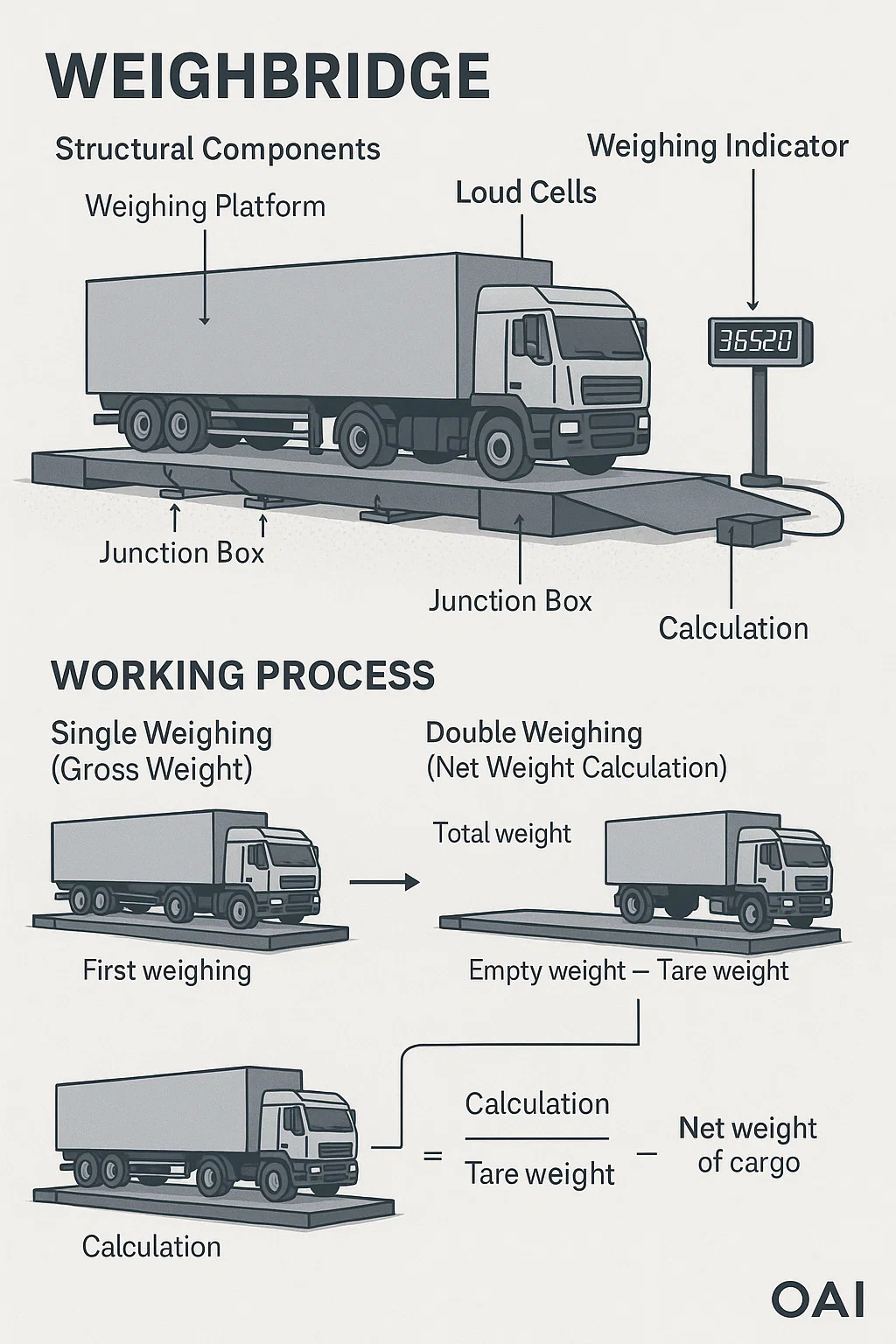
1. Structural Components
A typical weighbridge mainly consists of the following key parts:
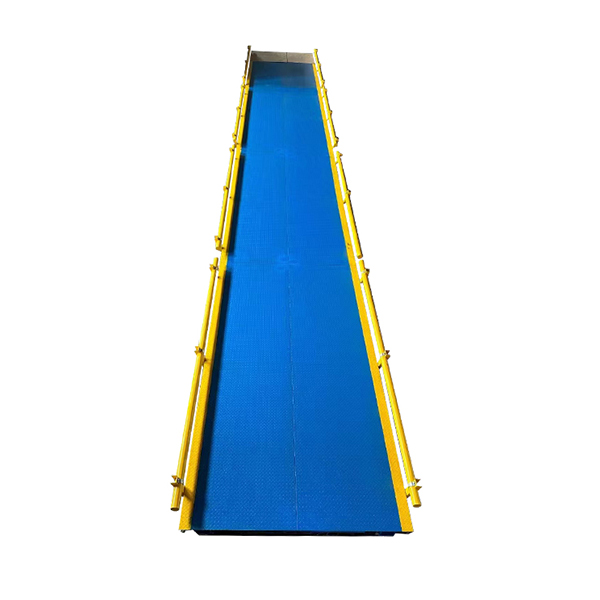
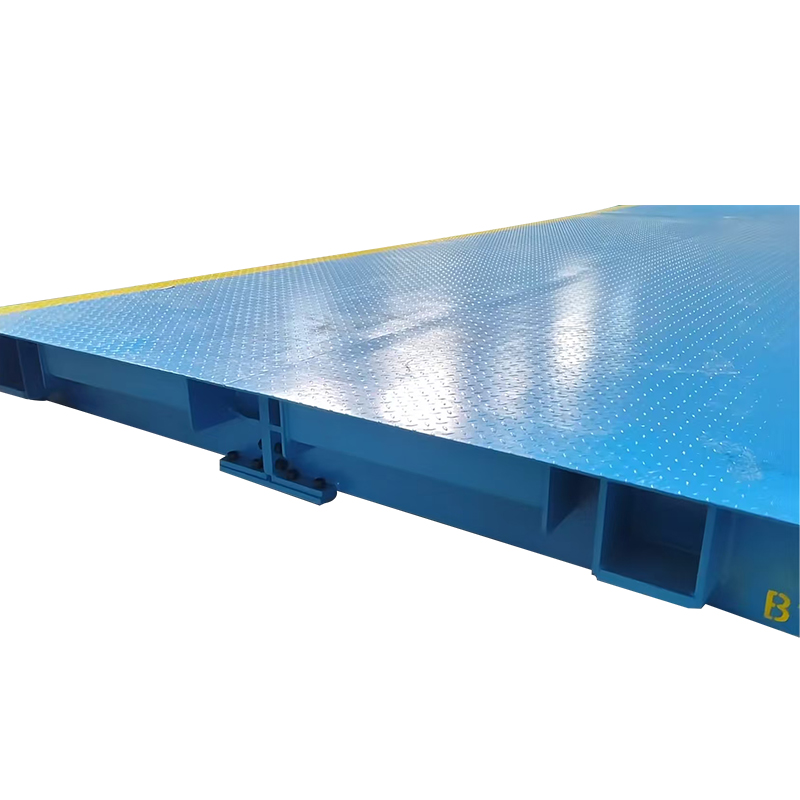
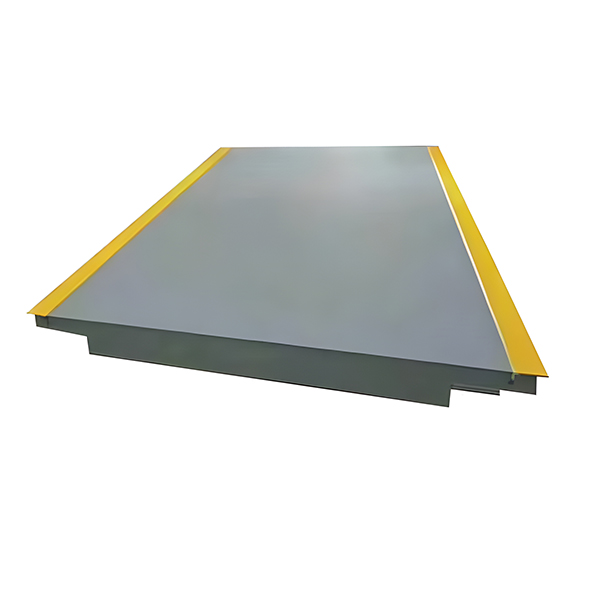
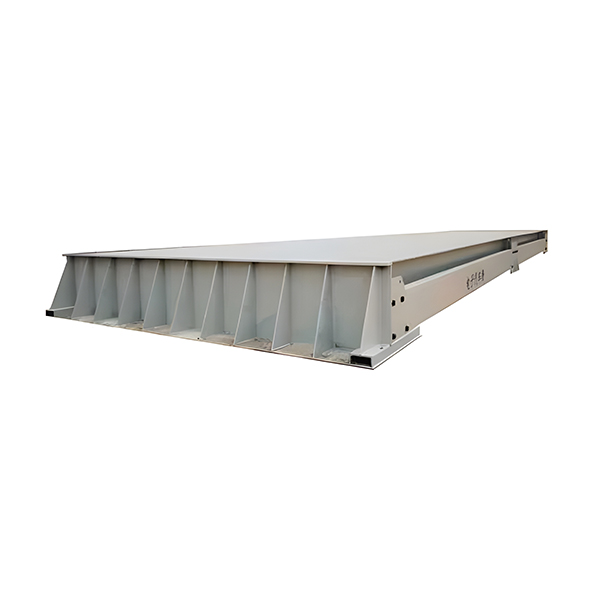
Weighing Platform: This is the main structure where vehicles are driven onto for weighing. It is usually a sturdy steel or concrete platform. It must be strong enough to withstand the immense pressure of a fully loaded truck.
Load Cells: These are the "heart" of the weighbridge. Installed beneath the platform, they are high-precision electronic components. When a vehicle drives onto the platform, these sensors detect the pressure and convert it into an electrical signal, the magnitude of which is proportional to the weight.
Junction Box: Collects signals from all the sensors and combines them into a single signal, which is then transmitted to the display.
Weighing Indicator/Display: This is the device where the operator views the weight results. It receives the signal from the sensors, processes and calculates it, and finally displays the vehicle's weight clearly in digital form.
2. Working Process
The weighing process of a weighbridge usually involves two methods:
Single Weighing (Gross Weight): The vehicle drives directly onto the weighbridge for weighing, obtaining the total weight of the vehicle + cargo.
Double Weighing (Net Weight Calculation): This is the most common method for calculating cargo weight.
First Weighing: The fully loaded truck drives onto the weighbridge to weigh the total weight (Total weight of truck + cargo).
Second Weighing: After unloading the cargo, the empty truck drives onto the weighbridge again to weigh the tare weight or empty vehicle weight (Weight of the empty truck, known as Tare weight).
Calculation: Subtracting the tare weight from the total weight gives the net weight of the cargo.
● Applications of Weighbridges
Due to their weighing capacity and accuracy, weighbridges are widely used in various industries and locations that require precise weight data:
Logistics and transportation: Determining the settlement weight for goods transactions and ensuring the accurate execution of transportation contracts.
Mining and quarries: Measuring the quantity of ore or stone transported daily.
Recycling centers: Weighing recycled metals, paper, or other materials.
Factories and warehouses: Conducting quantity verification and weight checks when goods enter or leave the premises.
Traffic management: Installing weighbridges on roads to check for overloaded trucks and ensure the safety of bridges and roads.

Copyright © Ningbo Jiuding Weighing Equipment Co., Ltd.
