


 English
 中文简体
中文简体
Industry News
Different types of weighbridges: which one is right for you?
Content
Choosing the right weighbridge is like choosing shoes – it's not just about size, but also about the terrain you'll be walking on. The common types on the market each have their own characteristics, and choosing the wrong one can lead to extra costs and future problems.
We can categorize weighbridges into the following types based on their installation and use:
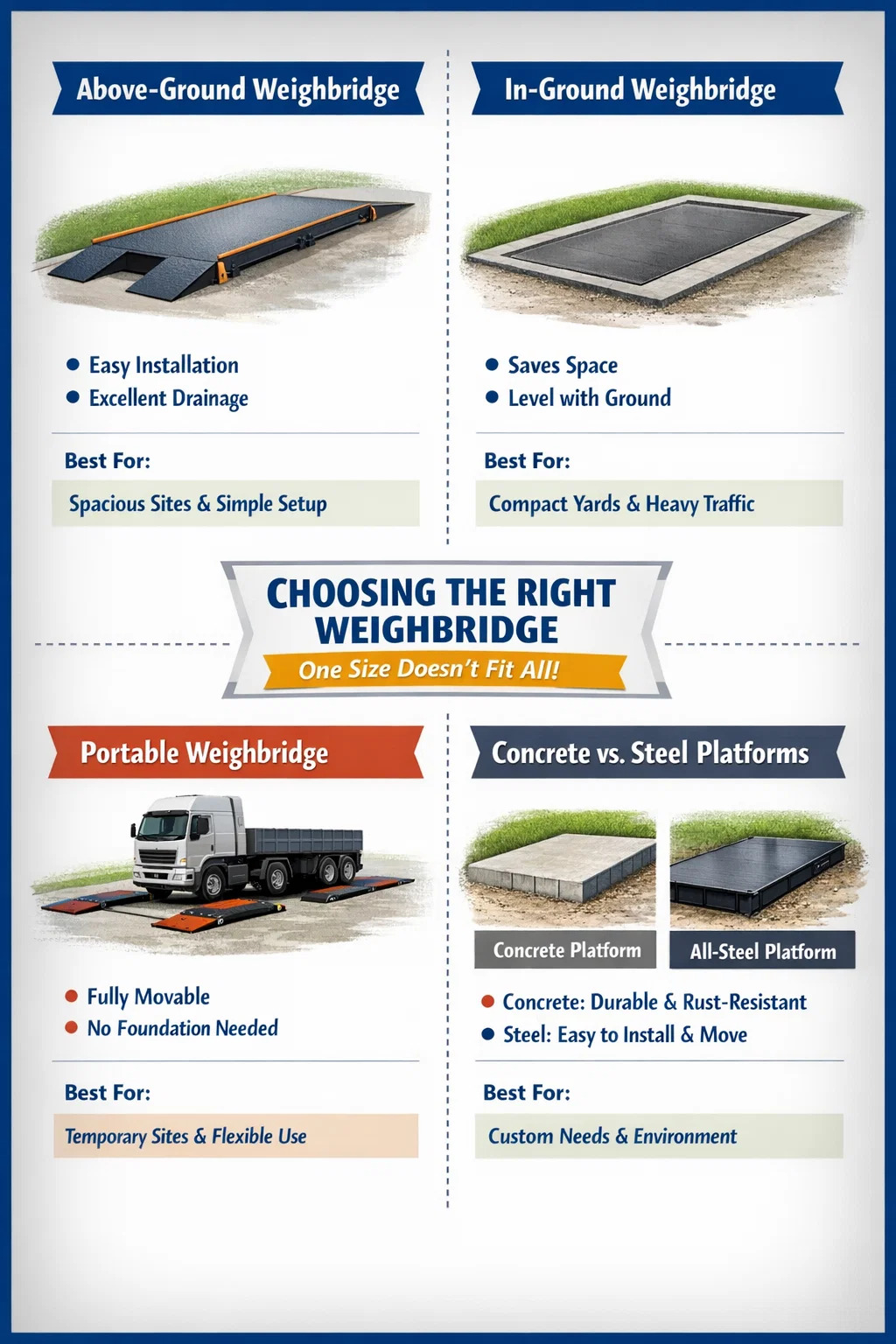
1. Above-ground type (no excavation required)
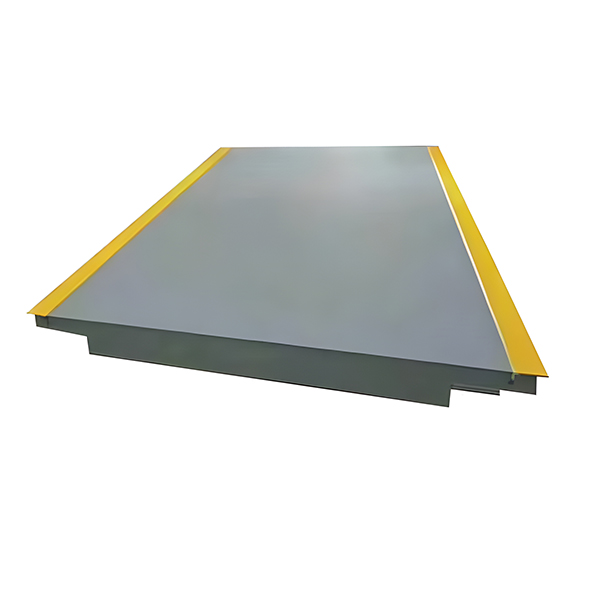
This type of weighbridge is like a large platform placed directly on the ground. Vehicles need to drive up ramps at both ends to be weighed.
Advantages: Very easy to install, excellent drainage (no worries about flooding the sensors during heavy rain), and easy access for daily inspection and cleaning under the scale.
Is it right for you? If your site is very spacious and you don't mind the ramps taking up some space, or you don't want to deal with complex underground construction, this is the most hassle-free option.
2. In-ground type (flush with the ground)
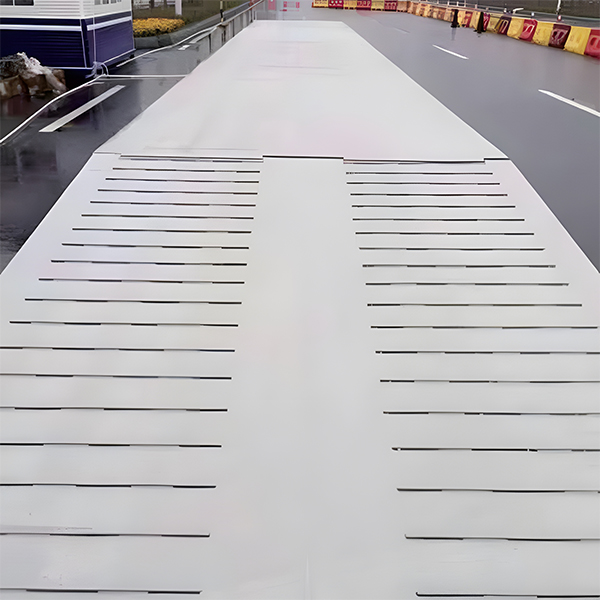
This installation method involves burying the scale body in a specially dug pit, so the weighing platform is level with the surrounding ground.
Advantages: Very space-saving, trucks can drive onto or across it from any direction without obstructing traffic within the site.
Is it right for you? If your factory yard is relatively small, or you have heavy traffic requiring frequent turns, this "invisible" weighbridge is the best choice. However, you'll need to prepare a robust drainage system to prevent water accumulation in the pit and damage to the components.
3. Portable type (can be moved)
This is a lightweight weighbridge, usually composed of several movable weighing plates.
Advantages: No foundation is required, and it can be moved to a different location using a crane or forklift.
Is it right for you? If you're working on short-term projects (such as temporary construction sites or roadside inspections), or you need to weigh goods at different warehouses, this "pack-and-go" type is the most flexible.
4. Concrete platform vs. All-steel platform
This mainly refers to the difference in platform materials:
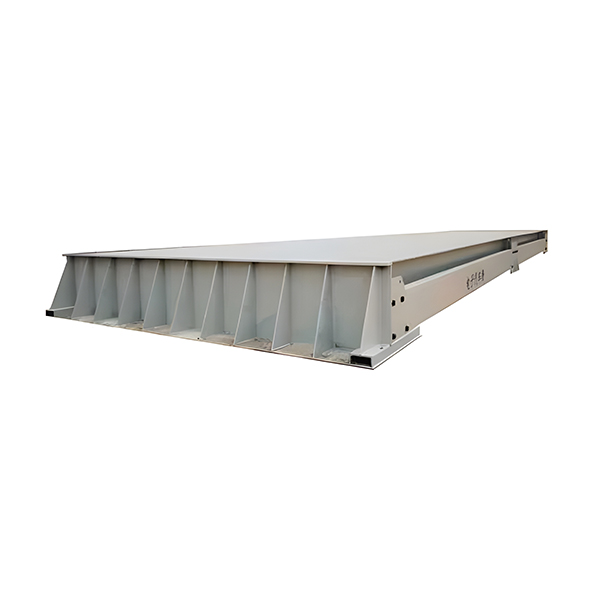
All-steel structure: It's a finished product from the factory, ready to use upon delivery and installation, and can be easily disassembled and moved if needed.
Concrete structure: Requires on-site pouring and needs time to cure before use. Although a bit more troublesome, it's rust-resistant and won't deform easily under intense sunlight like steel, making it particularly suitable for harsh environments such as coastal areas or chemical plants.
Copyright © Ningbo Jiuding Weighing Equipment Co., Ltd.
