


 English
 中文简体
中文简体
Industry News
Semi Truck Weight Scale Guide: How Truck Scale Weighing Works
Content
- 1 Quick Answer: What A Semi Truck Weight Scale Does
- 2 Why Weighing A Semi Truck Actually Matters
- 3 Types Of Truck Scales Used In The Industry
- 4 Typical Axle Weight Reference Ranges
- 5 Where To Find A Semi Truck Weight Scale
- 6 How To Weigh A Semi Truck Step By Step
- 7 Common Overweight Problems And How To Fix Them
- 8 Onboard Scale Systems And Weigh-In-Motion Technology
- 9 Seasonal And Route Factors That Affect Scale Readings
- 10 Tips For Getting An Accurate Weight Reading
- 11 Pre-Weigh Checklist For Drivers
- 12 Frequently Asked Questions
- 12.1 How much does it cost to weigh a semi truck?
- 12.2 How often should a truck be weighed?
- 12.3 Can weather affect a scale reading?
- 12.4 What is the difference between gross weight and axle weight?
- 12.5 Do portable truck scales give accurate readings?
- 12.6 Why does my truck weigh differently at two different scales on the same day?
- 12.7 Does the trailer type affect how weight is distributed?
- 12.8 Is it better to weigh before or after fueling?
- 12.9 What should a driver do if the drive axle reads heavy but the total gross weight is fine?
- 12.10 Are onboard scale systems as reliable as a static platform scale?
Quick Answer: What A Semi Truck Weight Scale Does
A semi truck weight scale measures the total weight of a tractor-trailer along with the weight distributed across each individual axle group. Drivers and fleet managers use a truck scale to confirm that gross weight and axle weight stay within safe operating ranges before a load moves down the road. Getting this number right protects tires, brakes, suspension components, and fuel economy, and it prevents costly delays at inspection points along the route.
Most scale readings fall into three categories: steer axle weight, drive axle weight, and trailer axle weight. Each of these numbers matters on its own, not just the total. A truck can show an acceptable gross weight while still having one axle group carrying far more than it should, which is why a full scale ticket breaks the weight down axle by axle rather than showing a single combined figure.
Beyond the basic reading, a truck scale also gives drivers a chance to catch load-shift problems early, before they turn into handling issues on the highway. A load that seemed balanced when it left the dock can settle unevenly after a few miles of turns, hills, or rough pavement, so the scale ticket is really a snapshot of how the truck is actually behaving at that moment, not just how it was packed.
Why Weighing A Semi Truck Actually Matters
Weight distribution affects nearly every mechanical system on a commercial vehicle. When one axle carries too much load, tires wear unevenly, brake components heat up faster, and steering response becomes less predictable, especially on downhill grades or in wet conditions.
Fuel Economy And Engine Load
Extra weight forces the engine to work harder to maintain highway speed, which increases fuel consumption. Fleet data collected by several mid-size carriers has shown that trucks running consistently near their maximum gross weight can burn 6 to 10 percent more fuel per mile compared to trucks running with balanced, moderate loads, based on internal fuel-tracking reports shared by regional freight operators in 2025.
Tire And Suspension Wear
Uneven axle loading is one of the leading contributors to premature tire wear on commercial trailers. A tire that is consistently overloaded on one side of an axle can lose usable tread life significantly faster than a properly balanced tire, adding replacement costs across a fleet over a single year.
Braking Performance
Stopping distance increases noticeably as gross weight climbs, and an imbalanced axle makes that distance even longer because the brakes on the heavier axle are doing more of the work than they were designed to handle on a sustained basis. Drivers who regularly haul near maximum weight often report that brake components need attention more frequently than on trucks that stay comfortably under the limit.
Ride Quality And Component Fatigue
Suspension bushings, leaf springs, and air bag components all experience additional stress when a truck runs consistently overweight or unevenly loaded. Over time this fatigue shows up as a rougher ride, more frequent alignment issues, and shorter service intervals for parts that would otherwise last considerably longer under balanced loading conditions.
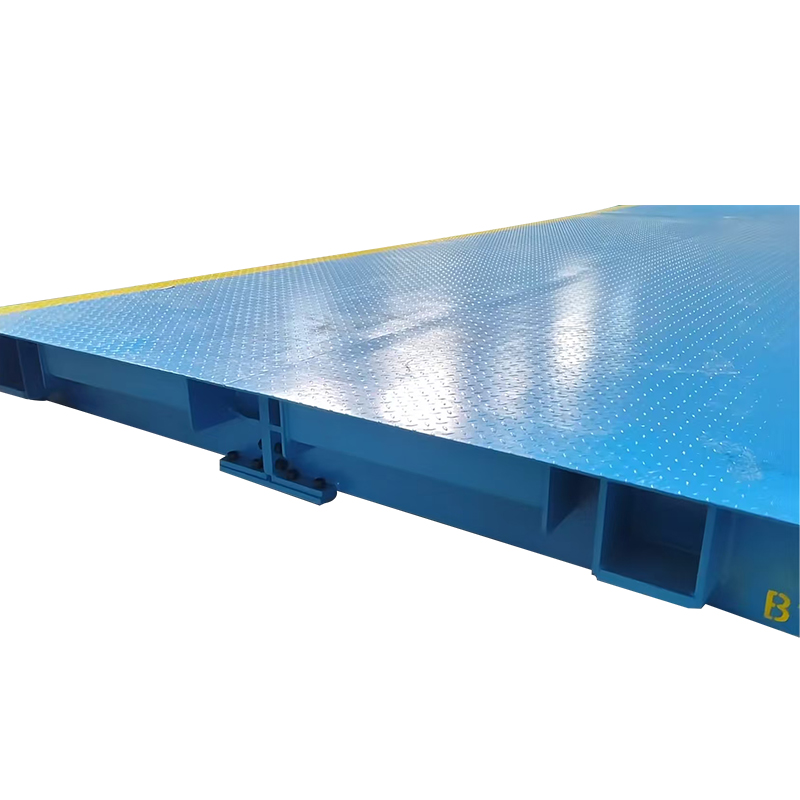
Types Of Truck Scales Used In The Industry
Not every truck scale works the same way. Understanding the differences helps drivers choose the right stop for a quick check versus a full, itemized weight ticket.
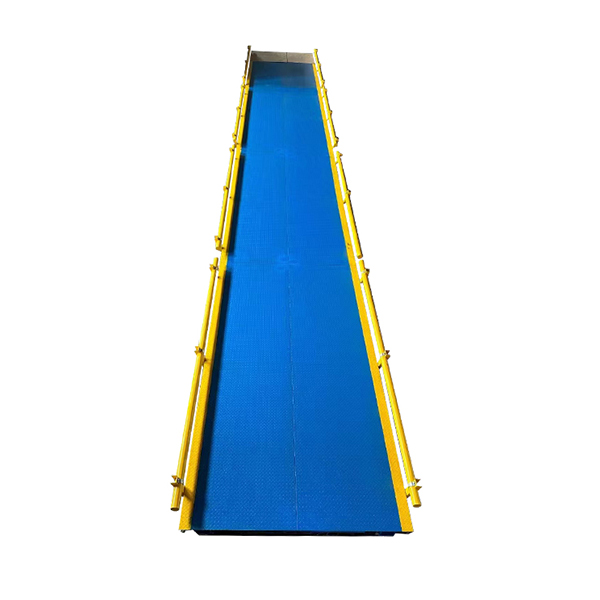
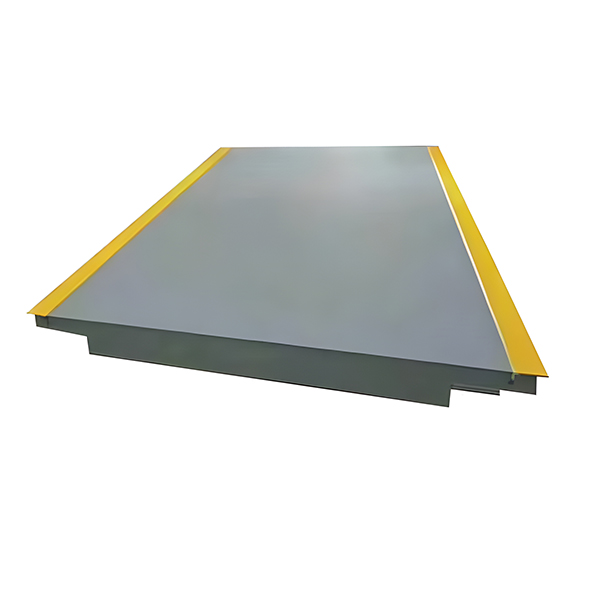
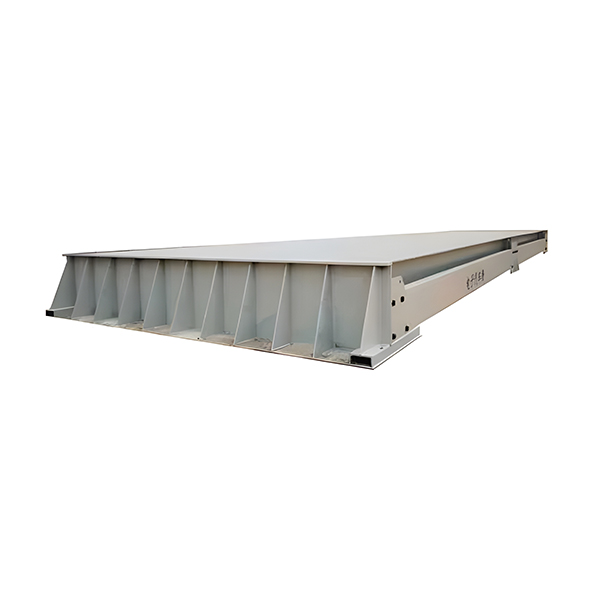
- Static platform scales — the truck comes to a complete stop on a flat platform, and the scale reads total and axle weight at once.
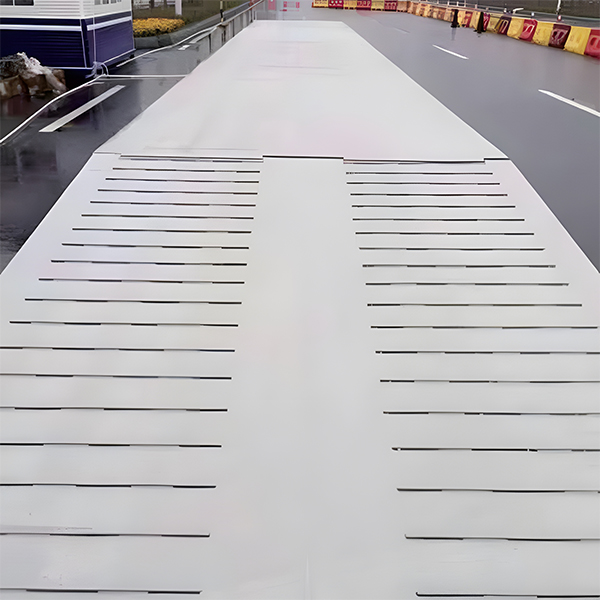
- Weigh-in-motion (WIM) scales — embedded sensors read weight as the truck drives over them at a set speed, commonly used for quick screening.
- Portable axle scales — lightweight pads placed under each tire, useful for yards, warehouses, or remote loading sites without a fixed scale.
- Onboard scale systems — air-suspension or strain-gauge sensors built into the truck itself, giving a real-time weight estimate from the cab.
- Pit scales — platform scales installed flush with the ground surface, often found at industrial sites where vehicles of many sizes need to be weighed without a ramp.
- Above-ground modular scales — quicker to install than pit scales, commonly used at newer freight yards and temporary job sites.
Each scale type trades off speed, precision, and convenience differently. A weigh-in-motion system is fast and useful for screening large volumes of trucks, but a static platform reading is generally considered the most dependable option when a driver needs a precise, itemized breakdown before a long haul.
Typical Axle Weight Reference Ranges
The table below shows commonly referenced weight ranges used across the trucking industry for planning purposes. Actual limits vary by route, bridge design, and vehicle configuration, so drivers should always confirm figures locally rather than relying on a single national number.
| Axle Group | Common Reference Range | Typical Concern If Exceeded |
|---|---|---|
| Steer Axle | 11,000–12,000 lbs | Reduced steering response |
| Drive Axle Group | 32,000–34,000 lbs | Faster brake and tire wear |
| Trailer Axle Group | 32,000–34,000 lbs | Suspension stress, uneven load shift |
| Gross Combination Weight | Up to roughly 80,000 lbs | Overall handling and braking distance |
These figures are useful as a planning baseline, but every configuration is different. A five-axle combination distributes weight differently than a six-axle setup, and a short-wheelbase trailer behaves differently than a long one carrying the same total load. Because of this, experienced drivers treat the numbers above as a starting point for conversation with a dispatcher, not as a fixed formula that applies to every single haul.
Where To Find A Semi Truck Weight Scale
Most drivers weigh trucks at one of a few common locations along a freight route.
- Major truck stop chains that operate a network of static scales along interstate corridors.
- Shipper or receiver yard scales located at distribution centers, often used before a truck leaves the dock.
- Standalone commercial scale facilities near industrial zones and freight hubs.
- Portable scale kits carried by owner-operators who frequently load at sites without a fixed scale nearby.
- Grain elevators, recycling centers, and quarry facilities that operate their own scale as part of daily material handling.
Many carriers plan a scale stop into the route the same way they plan a fuel stop, especially after picking up a partial load or after a driver has redistributed freight inside the trailer. Some carriers build scale stops directly into dispatch software, flagging a nearby location automatically whenever a load originates from a site without its own scale.
How To Weigh A Semi Truck Step By Step
Before Pulling Onto The Scale
Make sure the trailer doors are closed, the truck is empty of loose debris, and the driver has a rough idea of the expected load weight from the bill of lading. This helps quickly spot a reading that looks unusual.
Positioning On The Platform
Pull forward slowly so that each axle group sits fully within its designated scale section. Uneven positioning, such as stopping with a tire partially off the platform, produces an inaccurate reading and often requires a second pass.
Reading The Ticket
A complete scale ticket lists steer axle weight, drive axle weight, trailer axle weight, and the combined gross weight. Drivers should check every line rather than glancing only at the total, since an individual axle can be out of balance even when the overall number looks fine.
After The Weigh
Keep the ticket accessible for the remainder of the trip. If a second scale stop becomes necessary after adjusting the load, having the original ticket on hand makes it easier to compare before-and-after numbers and confirm that the adjustment actually solved the problem.

Common Overweight Problems And How To Fix Them
When a scale ticket shows an axle running heavy, the fix usually comes down to redistributing weight rather than removing freight entirely.
- Sliding the trailer tandem — moving the trailer axles forward or backward shifts weight between the drive axles and the trailer axles.
- Adjusting the fifth wheel — moving the fifth wheel position changes how much weight rests on the steer axle versus the drive axles.
- Repositioning freight inside the trailer — shifting pallets toward the nose or tail of the trailer rebalances axle weight without changing total load.
- Splitting a load across two vehicles — occasionally the only practical solution when the total freight volume simply exceeds what one configuration can carry safely.
Small adjustments often produce a surprisingly large effect. Sliding a tandem by even a few inches can shift several hundred pounds between axle groups, which is usually enough to bring a borderline reading back into a comfortable range without touching the freight itself.
Onboard Scale Systems And Weigh-In-Motion Technology
Many newer trucks come equipped with onboard air-suspension scale systems that give drivers a real-time weight estimate from inside the cab. These systems are convenient for a quick check before leaving a loading dock, though most fleets still recommend confirming with a certified static reading before a long haul, since onboard sensors can drift out of calibration over time.
Weigh-in-motion systems, meanwhile, are increasingly used at high-traffic freight corridors to screen trucks without requiring a full stop. Sensors embedded in the roadway estimate weight as the truck passes over at a controlled speed, and vehicles showing an unusual reading are typically directed to a nearby static scale for a full check.
Fleet technology has continued to evolve, with several carriers now integrating onboard scale readings directly into their dispatch and telematics systems. This allows a dispatcher to see an estimated axle weight remotely, before the truck even leaves the yard, which helps catch loading errors earlier in the process rather than discovering them several miles down the road.
Seasonal And Route Factors That Affect Scale Readings
Weight is not a fixed number that stays the same in every season or on every road. A handful of external factors can shift how a load reads on a scale.
| Factor | Typical Effect |
|---|---|
| Fuel level | A full tank can add several hundred pounds to the drive axle group |
| Cold weather | Tire pressure drops slightly, which can nudge axle balance |
| Wet or frozen freight | Moisture absorption can add unexpected weight to certain commodities |
| Uneven scale surface | A sloped platform can distort individual axle readings |
Drivers hauling commodities that absorb moisture, such as certain agricultural products or building materials, often notice weight creeping upward after a rainy stretch of road even though nothing was added to the trailer. Being aware of these small shifts helps explain why a truck that weighed comfortably under the limit at pickup might read differently a few hours later.
Tips For Getting An Accurate Weight Reading
Small habits make a noticeable difference in scale accuracy.
- Weigh the truck after any major load shift, not just at pickup.
- Recheck weight after fueling, since a full tank can add several hundred pounds to the drive axle group.
- Keep the truck level on the platform; a scale on a slope can throw off individual axle readings even if the total looks correct.
- Compare readings across multiple stops if a number looks unusual, rather than relying on a single scale ticket.
- Note the exact scale location and time on the ticket so it can be referenced later if a question comes up about load conditions.
- Walk around the trailer before weighing to confirm nothing has visibly shifted or settled unevenly.

Pre-Weigh Checklist For Drivers
A quick mental checklist before pulling onto any scale helps avoid a wasted trip or a confusing reading.
Vehicle Condition
Confirm tires are properly inflated and trailer doors are latched. Loose equipment or an open door can shift weight unpredictably during the short drive onto the platform.
Load Documentation
Have the bill of lading or load manifest ready so the expected weight can be compared against the actual reading immediately.
Route Planning
Identify the nearest scale location ahead of time, especially on unfamiliar routes, so a stop can be planned without adding significant time to the overall trip.
Frequently Asked Questions
How much does it cost to weigh a semi truck?
Most static truck scales charge a small per-weigh fee, and many networks offer reduced pricing or free reweighs within the same day if the first reading shows a problem that gets corrected on site.
How often should a truck be weighed?
A good rule of thumb is weighing after every load change, after significant fuel stops, and any time freight shifts noticeably during transit, such as after sharp turns or rough road sections.
Can weather affect a scale reading?
Extreme temperature swings can slightly affect tire pressure, which in turn can shift a small amount of weight between axles, though the effect is usually minor compared to actual load placement.
What is the difference between gross weight and axle weight?
Gross weight is the combined total of the truck and trailer together, while axle weight breaks that total down by how much rests on each axle group. A truck can have an acceptable gross weight while still carrying one axle group that is out of balance.
Do portable truck scales give accurate readings?
Portable axle scales are generally accurate for planning purposes when placed on a flat, level surface, though most operators treat the reading as an estimate and confirm with a static platform scale before a long-distance haul.
Why does my truck weigh differently at two different scales on the same day?
Small variations between scales are common and usually come down to platform leveling, calibration timing, or minor changes in fuel level and tire pressure between stops. If the difference is large, it's worth a third reading to confirm which number is more reliable.
Does the trailer type affect how weight is distributed?
Yes. A flatbed, a dry van, and a tanker all distribute freight differently across the axle groups because of how the load sits relative to the trailer's structure, so the same total weight can read very differently depending on trailer type.
Is it better to weigh before or after fueling?
Weighing after fueling gives the most realistic picture of the truck's actual on-road weight, since a full tank can add several hundred pounds to the drive axle group that would otherwise be missing from a pre-fuel reading.
What should a driver do if the drive axle reads heavy but the total gross weight is fine?
This usually points to a balance issue rather than an overall overweight problem. Sliding the trailer tandem or repositioning freight toward the rear of the trailer typically shifts enough weight off the drive axle to bring it back into a comfortable range.
Are onboard scale systems as reliable as a static platform scale?
Onboard systems are convenient for a quick estimate and are useful for catching obvious problems before leaving a yard, but they can drift out of calibration over time. Most fleets treat them as a helpful first check rather than a full replacement for a static reading.

Copyright © Ningbo Jiuding Weighing Equipment Co., Ltd.
