


 English
 中文简体
中文简体
Industry News
How Much Is 10,000 Lb? Weight, Cost & Scale Guide
Content
- 1 How Much Is 10,000 Lb in Other Units
- 2 What Actually Weighs Around 10,000 Lb
- 3 10,000 Lb Capacity Weighbridges and Scales: What They Cost
- 4 A Typical Weighbridge Project Timeline
- 5 Factors That Move the Price Up or Down
- 6 Choosing the Right Scale for a 10,000 Lb Load Range
- 7 Pit-Style vs Surface-Mount: Which Fits a 10,000 Lb Application
- 8 Keeping a 10,000 Lb Scale Accurate Over Time
- 9 Common Mistakes Buyers Make at This Capacity Range
- 10 Frequently Asked Questions
- 10.1 How much does 10,000 lb weigh in kilograms?
- 10.2 Is 10,000 lb the same as 5 tons?
- 10.3 What does a 10,000 lb capacity scale actually cost installed?
- 10.4 Why do two scales with the same 10,000 lb rating have such different prices?
- 10.5 Should I buy a scale rated exactly at my heaviest expected load?
- 10.6 How often should a 10,000 lb scale be checked for accuracy?
- 10.7 What vehicles typically weigh close to 10,000 lb?
- 10.8 How long does a small weighbridge take to install?
- 10.9 Do I need drainage for a pit-style weighbridge?
Quick Answer
10,000 lb equals 4,535.92 kilograms, or roughly 4.54 metric tons and 5 US short tons. It is also the working capacity band where a large share of small commercial weighbridges and platform scales are priced, generally between $2,500 and $25,000 depending on deck size, construction, and installation type.
How Much Is 10,000 Lb in Other Units
Ten thousand pounds is one of the most frequently referenced weights across shipping, agriculture, construction, and vehicle rating documents, because it sits at the boundary between "light truck" and "medium truck" classifications in North America. Converting it accurately matters when a buyer is comparing a scale's rated capacity against an axle load, a pallet stack, a livestock trailer, or a shipping consignment. The number also shows up constantly in procurement conversations, freight quotes, and equipment spec sheets, so having every common unit on hand in one place saves a lot of back-and-forth conversion work.
| Unit | Value |
|---|---|
| Kilograms (kg) | 4,535.92 kg |
| Metric tons (tonnes) | 4.54 t |
| US short tons | 5.00 short tons |
| UK long tons | 4.46 long tons |
| Ounces (oz) | 160,000 oz |
| Grams (g) | 4,535,920 g |
| Stone (UK) | 714.3 stone |
| Newtons (force, Earth gravity) | 44,482 N |
The exact multiplier is 0.45359237 kg per pound, the internationally agreed definition adopted in 1959 and still used today. Multiplying 10,000 by that figure gives the precise 4,535.92 kg conversion shown above, and it is the number engineers use when sizing load cells, foundations, and structural steel for any platform meant to weigh loads in this class. For quick mental math in the field, rounding to 4.54 kg per pound-thousand is accurate enough for almost every practical purpose outside of laboratory-grade calibration work.

What Actually Weighs Around 10,000 Lb
Ten thousand pounds is easier to picture through everyday comparisons than through raw numbers. Anyone specifying a weighbridge, a floor scale, or a livestock scale in this range is usually trying to match the equipment to a specific class of vehicle or load, so the comparisons below are grouped by industry to make the number concrete.
Vehicles and Trailers
- A fully loaded box truck (Class 3-4) typically runs from 10,000 to 14,000 lb gross vehicle weight.
- A dual-axle horse trailer loaded with two full-size horses lands close to 9,500-10,500 lb.
- A large pickup truck towing a mid-size travel trailer, combined, frequently reaches this figure.
- An empty 20-foot shipping container weighs about 4,850 lb, so a container loaded with roughly 5,150 lb of goods reaches the 10,000 lb mark.
- A midsize passenger bus with a partial passenger load can also approach this weight class.
Agriculture and Bulk Goods
- Roughly 179 bushels of dried corn, at 56 lb per bushel, equals 10,024 lb.
- A mature dairy cow can weigh between 1,200 and 1,500 lb, so a small group of six to eight animals reaches 10,000 lb combined.
- A round bale of hay weighs 800 to 1,200 lb, meaning roughly 9 to 12 bales together match this weight class.
- A full grain cart in a mid-size farming operation can hold close to this amount before it needs to be emptied into a truck.
Industrial and Construction
- A pallet of bagged cement, roughly 42 bags at 94 lb each, is close to 3,950 lb, so about two and a half pallets equal 10,000 lb.
- A small skid steer loader empty weight commonly falls between 7,000 and 9,500 lb.
- A standard structural steel I-beam, 30 feet long at a common weight of 60 lb per foot, weighs about 1,800 lb, so roughly 5.5 such beams together reach 10,000 lb.
- A bundle of standard rebar stock on a job site frequently approaches this figure once fully loaded onto a rack.
10,000 Lb Capacity Weighbridges and Scales: What They Cost
When someone searches for the price tied to a 10,000 lb figure, a large share of that search intent is actually about equipment: platform scales, floor scales, and small weighbridge systems built to handle loads up to five short tons. Pricing in this segment varies by construction type, platform size, indicator features, and installation complexity, and the gap between the cheapest and most expensive option in the same capacity class can be very wide.
| Equipment Type | Typical Price Range | Notes |
|---|---|---|
| Portable floor scale, 4x4 ft | $800 - $2,200 | Steel deck, digital indicator included |
| Livestock platform scale | $2,500 - $6,500 | Includes crate or panel guards |
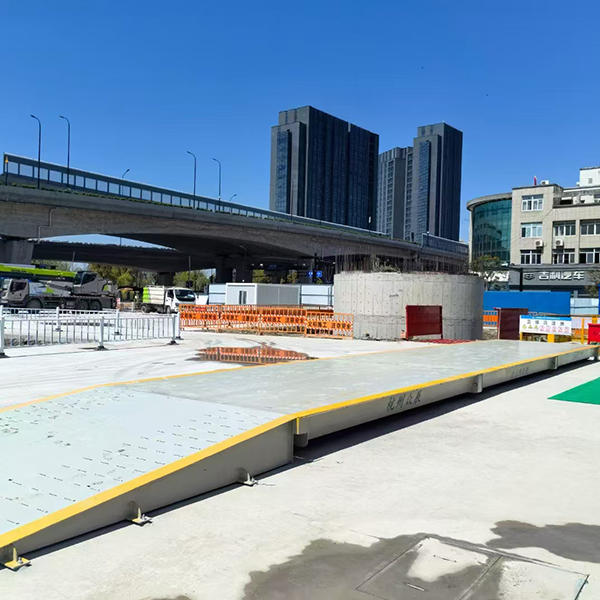
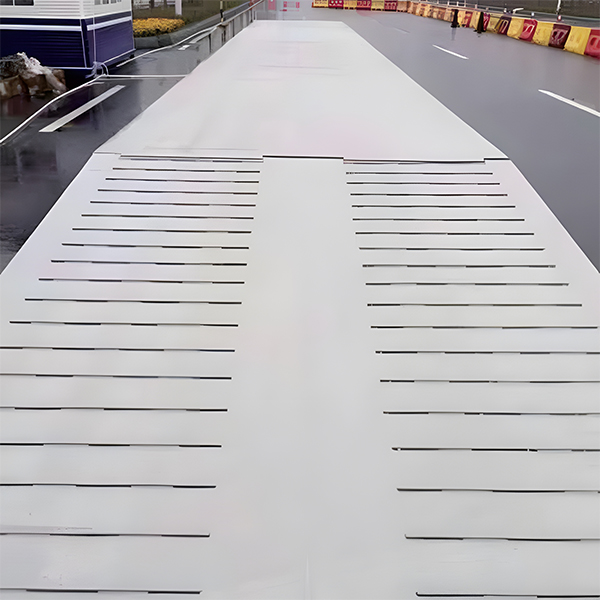
| Drive-over pit scale, small | $8,000 - $16,000 | Requires excavation and concrete pit |
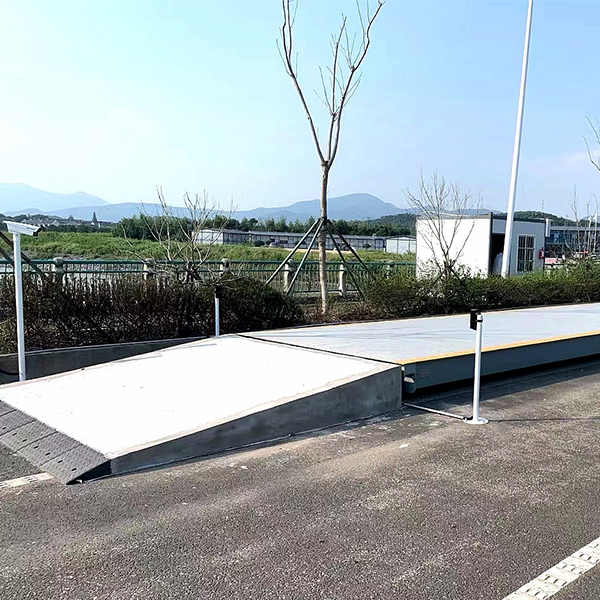
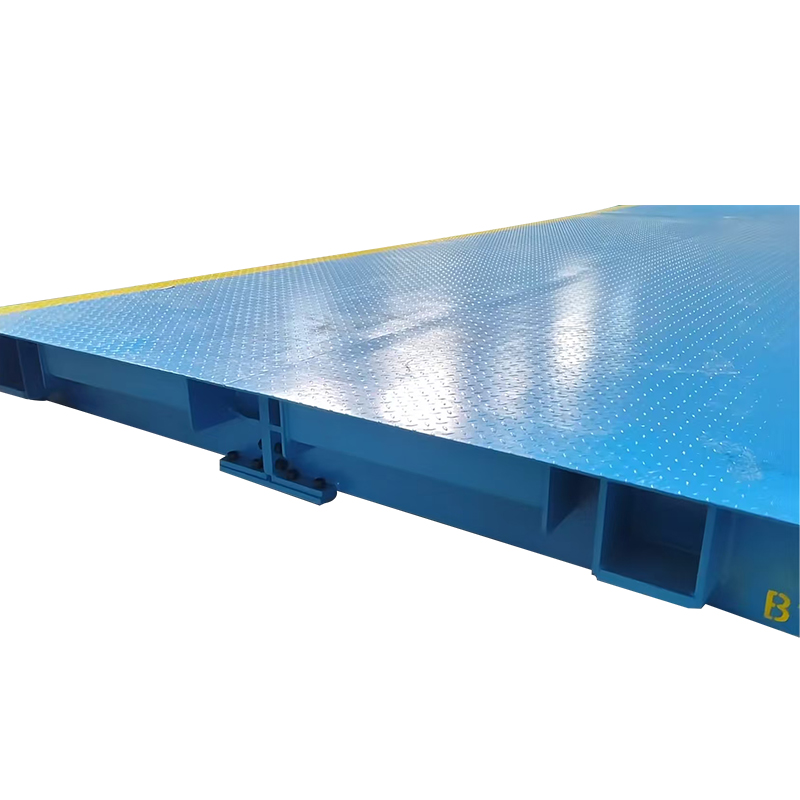
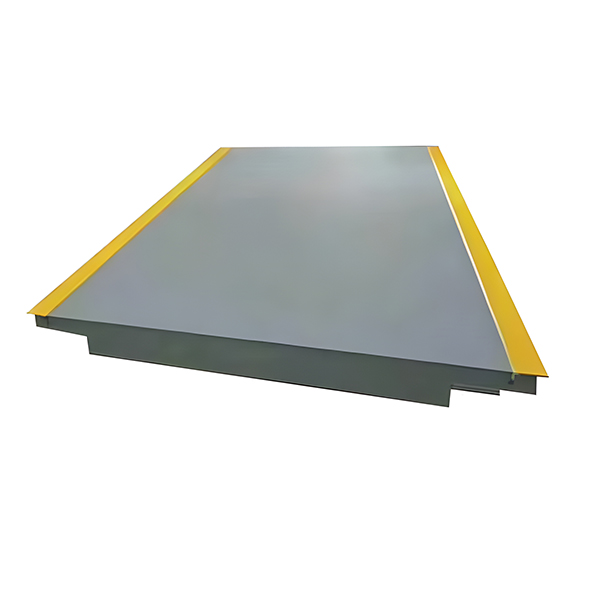
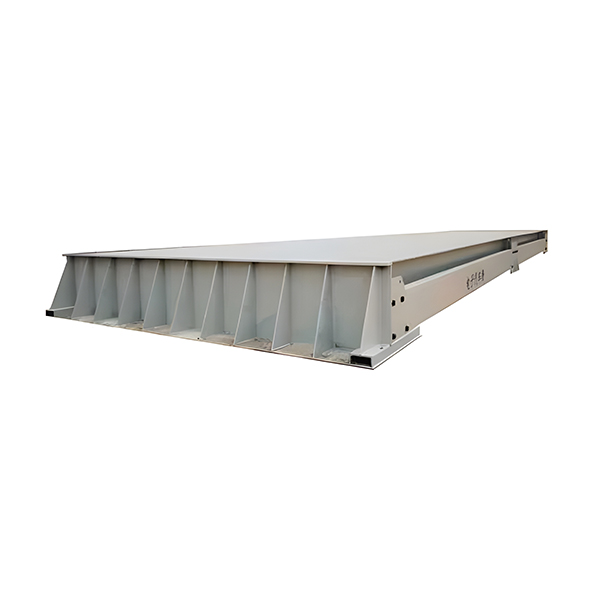
| Small surface-mount weighbridge | $12,000 - $22,000 | Modular steel deck, ramps included |
| Load cell replacement kit | $150 - $600 per cell | Depends on capacity and analog/digital type |
| Digital indicator upgrade | $300 - $1,800 | Data logging, printing, or connectivity add cost |
These figures cover the equipment itself. Site preparation, electrical runs, concrete foundation work, and remote display cabling are usually quoted separately and can add anywhere from a few hundred dollars for a portable unit to several thousand dollars for a pit-style weighbridge with a poured foundation. Buyers comparing quotes should always ask whether the number they are given includes freight, on-site assembly, and startup calibration, since those line items are sometimes bundled and sometimes billed separately.
A Typical Weighbridge Project Timeline
Buyers new to weighbridges are often surprised that the equipment purchase is only one part of the project. The steps below outline how a typical small weighbridge installation unfolds from first inquiry to first weighing.
Step 1 - Site survey. A technician or the buyer measures available space, checks soil conditions, and confirms vehicle access and turning radius.
Step 2 - Foundation work. For pit-style units, excavation and concrete pouring take place, followed by a curing period before any equipment is set.
Step 3 - Platform and load cell installation. The deck sections and load cells are set, leveled, and wired to the summing junction box.
Step 4 - Electrical and indicator setup. Power and signal cables run to the indicator location, and the display or software is configured.
Step 5 - Calibration and first weighing. Reference weights or a known test load confirm accuracy before the scale goes into daily use.
A portable or surface-mount scale can go from order to operation in a matter of days, while a pit-style weighbridge with concrete work often takes two to four weeks from site survey to first weighing, depending on weather and concrete curing time.
Factors That Move the Price Up or Down
Two scales with the same 10,000 lb capacity rating can differ in price by a factor of five or more. The gap usually comes down to a handful of variables that buyers should check before comparing quotes side by side.
Deck Material and Construction
Checkered steel plate decks cost less than stainless steel decks, but stainless is preferred in washdown environments such as food processing or livestock handling because it resists corrosion from manure, cleaning chemicals, and moisture. A stainless deck can add 25 to 40 percent to the base price.
Number and Type of Load Cells
A basic four-cell platform is the entry point for most 10,000 lb scales. Systems built for uneven loading, off-center weighing, or frequent heavy impact often step up to six or eight cells, and digital load cells with individual diagnostics cost more than analog cells wired to a single summing box, but they simplify troubleshooting later.
Indicator and Software Features
A basic LED weight readout is the cheapest option. Ticket printing, data logging, vehicle identification via camera or RFID, and network connectivity for remote monitoring each add cost, but they matter for operations that need a paper or digital record of every weighing event, such as scrap yards, grain elevators, and waste transfer stations.
Installation Type
Portable and surface-mount scales need little more than a flat, compacted pad. Pit-style installations require excavation, drainage, and a reinforced concrete foundation, which is the single biggest driver of total project cost for any weighbridge, regardless of its rated capacity.
Ambient Environment
Scales exposed to extreme temperature swings, heavy dust, or frequent washdown often need sealed junction boxes and protective enclosures for the indicator, which adds modest cost but meaningfully extends service life in harsh settings.
Choosing the Right Scale for a 10,000 Lb Load Range
A common mistake is buying a scale rated exactly at the heaviest expected load. Industry practice is to size the scale at roughly 125 to 150 percent of the maximum anticipated weight, so a 10,000 lb capacity scale is best suited to loads that peak around 6,500 to 8,000 lb, leaving headroom for uneven distribution, dynamic impact when a vehicle drives on quickly, and future growth in load size.
| Application | Recommended Deck Size | Typical Readability |
|---|---|---|
| Drum and pallet weighing | 4 x 4 ft | 1-2 lb |
| Livestock groups | 4 x 8 ft crate | 1 lb |
| Small trailers and ATVs | 6 x 8 ft | 2-5 lb |
| Light commercial vehicles | 8 x 10 ft | 5-10 lb |
Readability, the smallest increment the indicator displays, should match the precision the operation actually needs. A recycling yard buying scrap metal by the pound benefits from finer readability, while a farm confirming trailer loads only needs the nearest 5 or 10 lb. Choosing a finer readability than necessary adds cost without adding practical value, so it pays to define the real precision requirement before requesting quotes.
Pit-Style vs Surface-Mount: Which Fits a 10,000 Lb Application
At this capacity, buyers usually choose between a pit-style weighbridge set flush with the ground and a surface-mount platform with access ramps. Each has advantages depending on space, budget, and how the site will be used.
| Factor | Pit-Style | Surface-Mount |
|---|---|---|
| Installation time | 2-4 weeks | 1-5 days |
| Ground disturbance | Significant excavation | Minimal to none |
| Relocation later | Not practical | Possible with planning |
| Vehicle approach | Flush, no ramp needed | Requires access ramps |
| Drainage management | Must be engineered in | Handled by natural grade |
Sites with permanent, high-frequency traffic tend to favor pit-style construction because it keeps the yard flat and avoids ramps that slow vehicle movement. Sites with seasonal or lower-frequency needs, or budgets that need to stay flexible, often prefer surface-mount platforms because they cost less upfront and can be relocated if operations change.
Keeping a 10,000 Lb Scale Accurate Over Time
A scale that reads accurately on installation day will not stay that way forever without upkeep. Environmental exposure, cable wear, and mechanical shock from repeated heavy loading are the most common reasons a 10,000 lb capacity platform starts to drift.
- Clean the deck and load cell mounting points regularly to prevent debris buildup that can throw off zero-point readings.
- Check load cell cables for cracking, rodent damage, or moisture intrusion, especially on outdoor pit installations.
- Confirm the platform sits level and that nothing is bridging the gap between the deck and surrounding concrete, which can silently steal weight from the reading.
- Test with known reference weights on a regular schedule, comparing readings against the expected value and logging any drift.
- Keep drainage clear around pit-style weighbridges so standing water does not corrode the pit floor or the underside of load cell junction boxes.
- Inspect rubber or polyurethane load cell boots and seals annually, replacing any that show cracking, since a failed seal lets moisture reach sensitive electronics.
A well-maintained platform scale or small weighbridge in the 10,000 lb class can stay in reliable service for 15 to 20 years, while neglected units often need major load cell replacement within five to seven years of heavy daily use.
Common Mistakes Buyers Make at This Capacity Range
Because 10,000 lb sits at a popular price and capacity point, it also attracts a predictable set of buying mistakes. Knowing them ahead of time helps a buyer avoid rework and unplanned expense.
Undersizing the Deck for Future Vehicles
A deck sized for today's smallest vehicle can become a bottleneck the moment a larger trailer or truck joins the fleet. Choosing a slightly longer platform up front is almost always cheaper than replacing the whole unit later.
Skipping Site Drainage Planning
Pit-style scales installed without adequate drainage frequently develop standing water problems within the first rainy season, which accelerates corrosion and adds an unplanned repair bill.
Choosing the Cheapest Indicator
A basic indicator without data logging can be perfectly adequate for a farm, but operations that need a defensible weighing record for billing or inventory purposes often regret skipping ticket printing or data export capability to save a small amount upfront.
Ignoring Cable Routing
Load cell cables routed through areas exposed to vehicle traffic or standing water fail far more often than cables run through protected conduit, and rerouting after installation is far more disruptive than planning the path correctly the first time.
Frequently Asked Questions
How much does 10,000 lb weigh in kilograms?
10,000 lb converts to 4,535.92 kilograms, using the standard 0.45359237 kg per pound conversion factor.
Is 10,000 lb the same as 5 tons?
Yes, in US short tons. 10,000 lb equals exactly 5 short tons, since one short ton is defined as 2,000 lb. In metric terms, 10,000 lb is closer to 4.54 metric tons.
What does a 10,000 lb capacity scale actually cost installed?
A portable or surface-mount unit typically lands between $2,500 and $16,000 depending on deck size, material, and indicator features, while a pit-style installation with concrete foundation work commonly reaches $15,000 to $25,000 all-in once site preparation is included.
Why do two scales with the same 10,000 lb rating have such different prices?
Price differences usually trace back to deck material, number of load cells, indicator features such as printing or data logging, and whether the installation requires excavation and a poured foundation versus a simple flat pad.
Should I buy a scale rated exactly at my heaviest expected load?
No. A common guideline is to select a capacity roughly 25 to 50 percent above the maximum expected load, so a 10,000 lb scale suits operations where the heaviest routine load falls closer to 6,500 to 8,000 lb.
How often should a 10,000 lb scale be checked for accuracy?
Operations that weigh loads daily typically check accuracy monthly using reference weights, while lighter-use scales are often checked quarterly. Frequency should increase after any heavy impact, flooding, or visible cable damage.
What vehicles typically weigh close to 10,000 lb?
Medium-duty box trucks, loaded horse trailers, and large pickup trucks paired with mid-size travel trailers commonly fall in the 9,500 to 14,000 lb range, putting them near or above the 10,000 lb mark.
How long does a small weighbridge take to install?
A portable or surface-mount platform can be operational within a few days of delivery, while a pit-style installation with concrete work generally takes two to four weeks from site survey through calibration.
Do I need drainage for a pit-style weighbridge?
Yes. Standing water is one of the leading causes of premature corrosion and load cell failure in pit-style installations, so drainage should be engineered into the foundation design rather than added afterward.
Copyright © Ningbo Jiuding Weighing Equipment Co., Ltd.
