

 English
 中文简体
中文简体
Industry News
Home / News / Industry News / Cattle Weighing Scale Buyer's Guide: Key Specs, Accuracy and Maintenance
Content
Your cattle are worth thousands, and the scale that weighs them is the only reference you have to prove that. A load of 120 steers at 550 kg each represents 66,000 kg of live weight. A drifting scale that is off by just 1% means you are losing 660 kg, the equivalent of one entire animal, without even noticing. The right cattle weighing scale protects your margin from day one. The wrong one will quietly and continuously drain it over every weigh cycle.
The economics of cattle production are tightly linked to knowing exact live weight at every stage. Feed is the largest variable cost in most operations, often accounting for 60% to 75% of total production costs. If you cannot track weight gain accurately, you cannot determine feed conversion ratios, and you may be overfeeding or underfeeding cattle without knowing it.
Using an accurate weighing scale also helps producers make health decisions. Veterinarians calculate drug doses per kilogram of body weight. An under-dosed animal may not recover. An over-dosed animal can suffer adverse effects. On a 600 kg steer, a scale that reads 5% low would suggest the animal weighs 570 kg. That 30 kg difference can change the recommended dose for some medications.
Weighing also supports transport and loading decisions. When you know the average weight of a group, you can plan how many animals fit in a trailer without overloading it. Underloading wastes space and increases the cost per animal transported. Overloading creates safety risks that no producer wants to own.
Field experience in cow-calf operations shows that regular weighing catches health and nutrition problems earlier, which reduces medication costs and increases average daily gain.
When selecting a cattle weighing scale, start with the animals you intend to weigh and the environment where the scale will live. Four specifications should drive your decision.
| Specification | What It Means | Typical Value for Cattle |
|---|---|---|
| Weighing Capacity | Maximum weight the scale can handle | 1,000-1,500 kg per animal; 20-50 t per truckload |
| Accuracy | Repeatability and deviation | ±0.1% to ±0.2% of full load |
| Platform Dimensions | Space for the animal or vehicle | 1.2 m × 2.4 m for animals; longer for trucks |
| Material | Corrosion resistance and durability | Hot-dip galvanized steel or stainless steel |
The most common mistake is buying a scale that fits today only, without accounting for heavier animals or larger trailers next season. A small capacity buffer costs very little at purchase time but saves you from a costly upgrade later.
Cattle operations at different scale levels need different approaches to weighing. The right system depends on how many animals you weigh, where you weigh them, and what data you need.
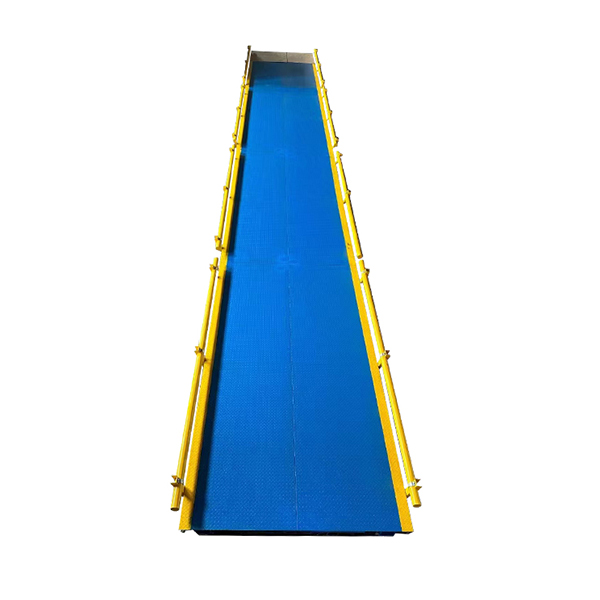
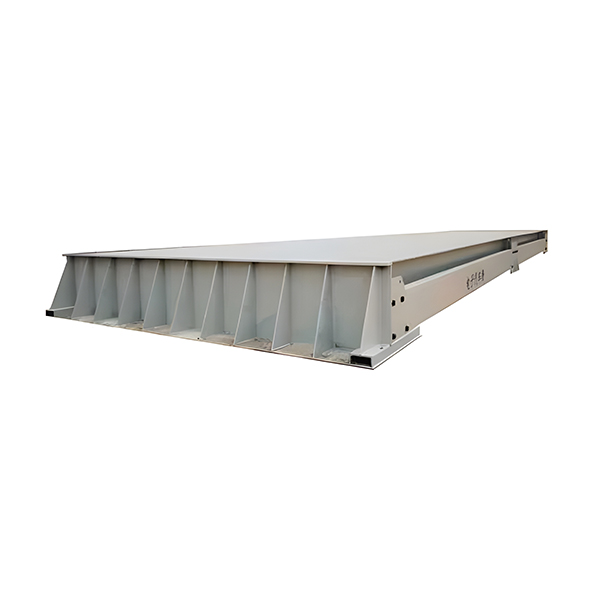
Truck scales are the backbone of large-scale cattle operations. When a truck loaded with cattle arrives at your facility, or leaves for a feedlot or processing plant, the difference between the loaded weight and the empty weight gives you the total live weight of the load. A digital electronic truck scale with high speed and stable readings is the first choice for a busy yard.
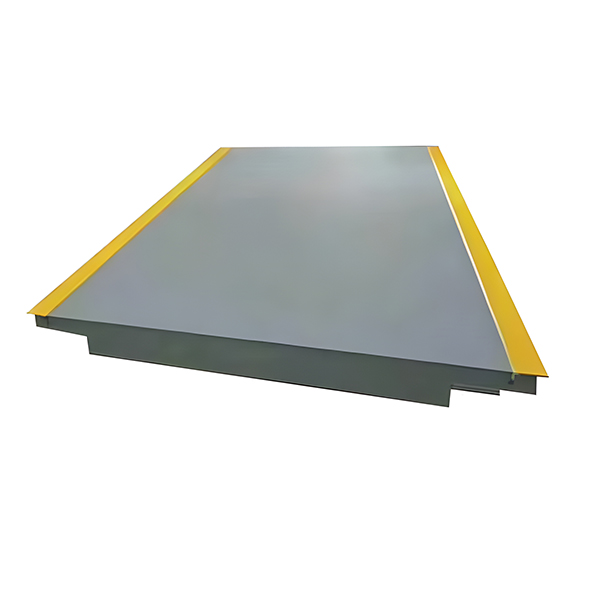 Digital Electronic Truck Scale for Accurate Livestock WeighingThis digital truck scale provides stable, high-speed readings for weighing cattle loads, helping you efficiently manage total live weight at your facility.View Product →
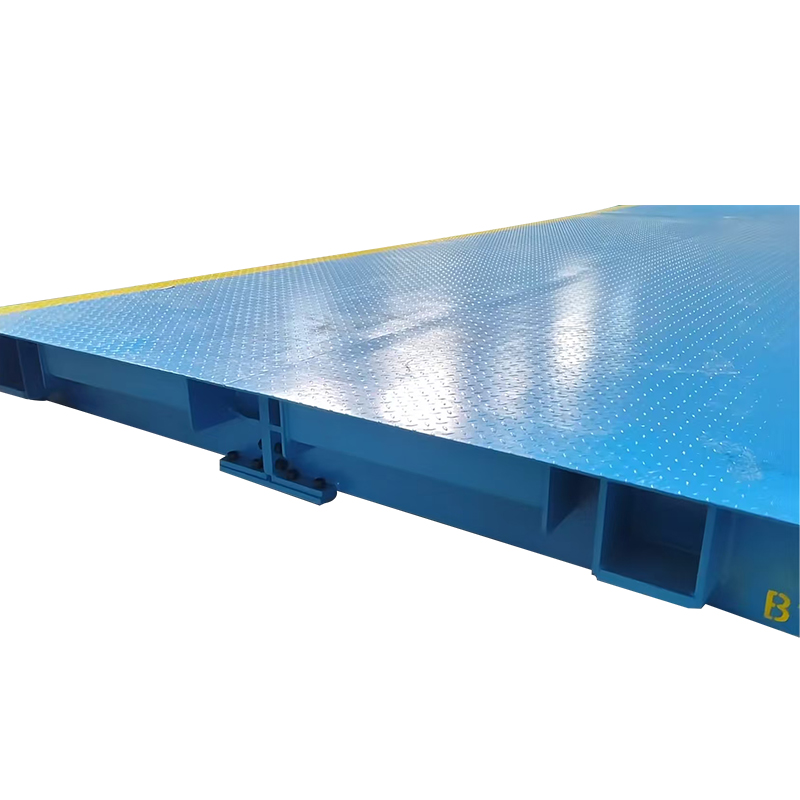
Axle load scales help verify that a livestock truck is within per-axle weight limits before it leaves your property. This is useful when public roads are part of the transport route. The scale measures each axle group separately, giving you a practical tool for load distribution management.
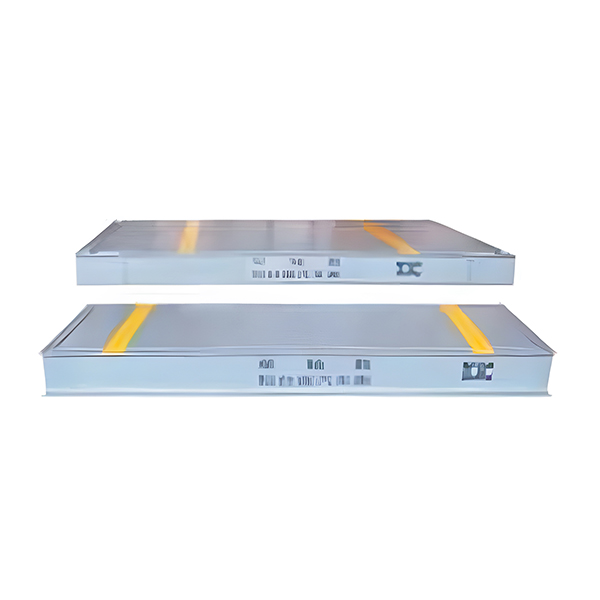 Axle Load Scale for Per-Axle Weight VerificationMeasures each axle group separately to confirm the truck is within weight limits before entering public roads, supporting proper load distribution management.View Product →
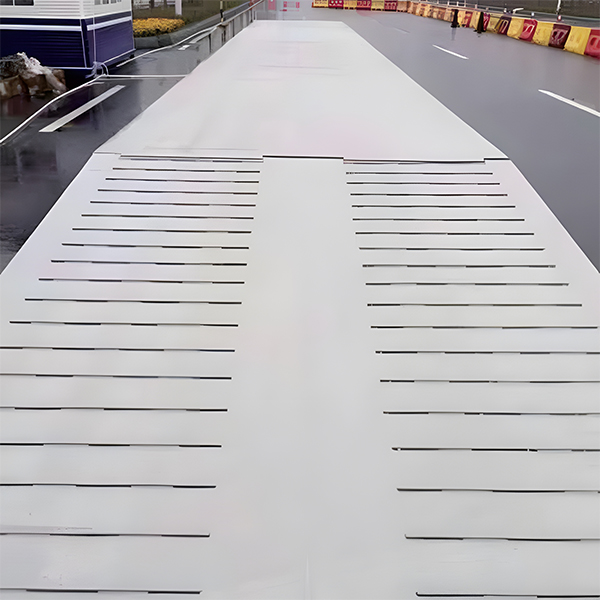
Buffer scales are designed for environments where the load may hit the weighing surface with controlled impact. In a cattle operation, buffer scales are often used for feed mixing or for silage wagons. They can also handle the shock loads from grinder mixers, making them useful when you weigh feed ingredients for ration balancing.
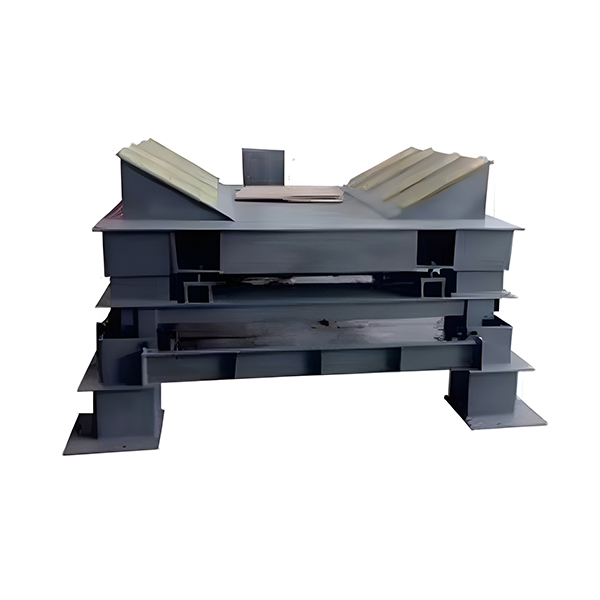 Buffer Scale with Impact-Resistant Design for Feed HandlingBuilt with a high-strength body and spring structure, this buffer scale withstands shock loads from grinders and mixers, ideal for weighing feed ingredients.View Product →
The best cattle weighing scale will still give wrong numbers if it is installed poorly. Calibration is the most important maintenance task you can perform. A sensible rule of thumb is to check the scale with test weights once every 1 to 2 weeks during peak season, or at least once a month during normal operation.
For truck scales, the corner check is a key diagnostic. Place a known test weight on each corner section of the platform, one at a time. The reading should remain constant across all four corners. A small variance of 1 to 2 kg on a 10-ton scale is normal. A variance larger than that suggests a mechanical or load cell problem that should be corrected before the scale is used for any important decision.
Ambient temperature also influences weighing accuracy. As the ambient temperature changes, the load cell zero point can drift. Perform a zero check in the morning before weighing starts. This simple routine takes 30 seconds and can eliminate a large share of drift errors.
For expert help, many producers rely on calibration and verification services to keep their scales accurate and reliable. A scheduled verification visit from an experienced technician can prevent small drift problems from becoming major discrepancies.
IoT-enabled weighing instruments take cattle weighing to another level. Instead of recording weights by hand or in a paper notebook, an IoT indicator can transmit each measurement automatically to a central system. This creates an ongoing historical record for every animal or transportation event.
That data has direct business value. By tracking weight gain across groups, you can identify which animals are not responding to the current ration. By monitoring truck weights, you can estimate the cost per kilogram of transport and adjust loading patterns accordingly. The more data you have, the better your management decisions become.
A well-designed IoT weighing setup connects your scale to a simple dashboard that shows daily weigh totals, group averages, and historical trends. This removes a key barrier to better decision-making: the time required to collect and organize weight records.
Understanding the working principle of weighing sensors improves your ability to troubleshoot problems early. Load cells convert force into an electrical signal, and the more stable that conversion is, the more reliable your data.
Cattle weighing environments are harsh. Dust, manure, ammonium moisture, and physical impact from hooves all take a toll on your system. A practical maintenance routine has three parts:
A preventive maintenance plan will extend the lifespan of your scale significantly. Many weighing equipment manufacturers state that a well-maintained truck scale can operate for 15 to 20 years, while a neglected one may fail after 5 to 7.
For individual animals, choose 1,000 to 1,500 kg capacity. For vehicle weighbridges handling full truckloads, choose 20 to 50 tonnes, depending on your traffic.
Yes, but it is inefficient, and the large platform may make single-animal weighing difficult. A smaller platform scale is preferred when you weigh animals individually on a regular basis.
Yes. Cattle facilities expose equipment to moisture, manure, and frequent washdowns. Choose hot-dip galvanized or stainless steel platforms with sealed load cells.
Perform a quick test-weight check every 1 to 2 weeks during peak season and once a month during quieter periods. Schedule a full professional verification at least once a year.
Yes. IoT-enabled weighing indicators send measurement data directly to a software system, eliminating manual recording and enabling trend analysis over time.
Copyright © Ningbo Jiuding Weighing Equipment Co., Ltd.