

 English
 中文简体
中文简体
Industry News
Home / News / Industry News / How to Buy a Truck Scale: What You Need to Know Before Spending a Dollar
Content
Buying a truck scale comes down to three decisions made upfront: capacity, pit vs. above-ground installation, and load cell type. Get those three right, and the rest of the selection process falls into place. Most commercial operations need a scale rated between 60 and 100 tons, a platform length of 60–80 feet, and either bending beam or digital load cells depending on the environment. Prices range from $30,000 for a basic portable unit to over $150,000 for a full pit-mounted concrete deck scale with remote terminals and software integration. This guide walks through every factor that affects cost, durability, and long-term ROI so you can make a confident purchase decision.
Not every truck scale is built for the same environment or workflow. Before you compare prices or brands, identify which category your operation falls into. Choosing the wrong type leads to expensive retrofits within the first two years.
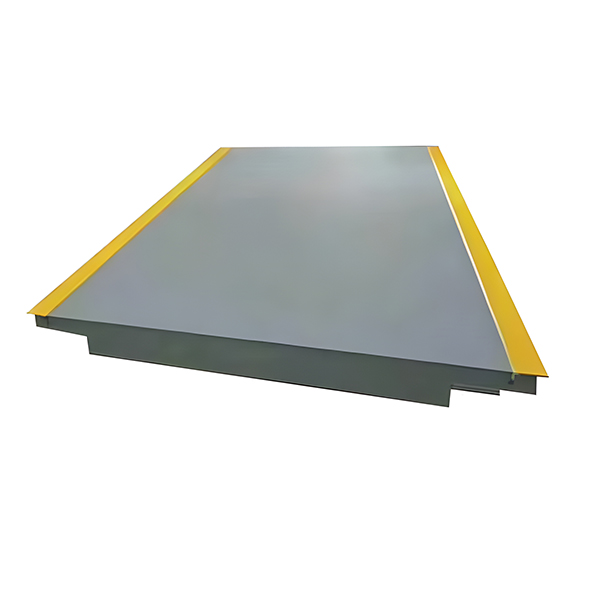
Installed flush with the ground. Drivers can pull on and off without ramps. Best for permanent installations in quarries, grain elevators, and recycling facilities. Installation costs run $15,000–$40,000 more than above-ground setups due to excavation and drainage requirements.
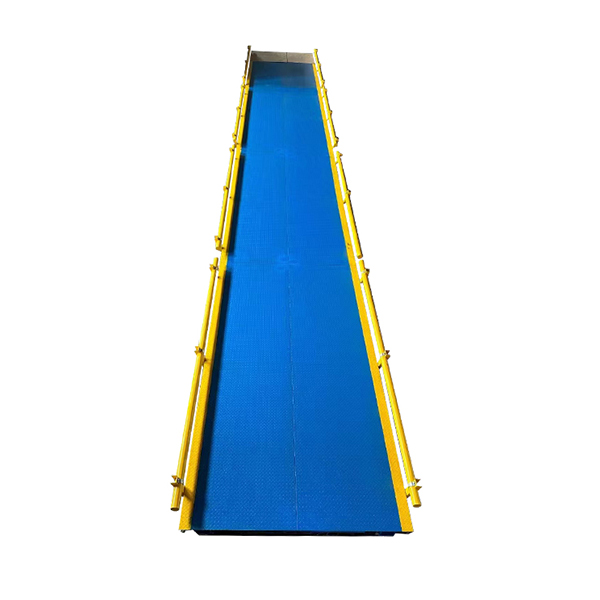
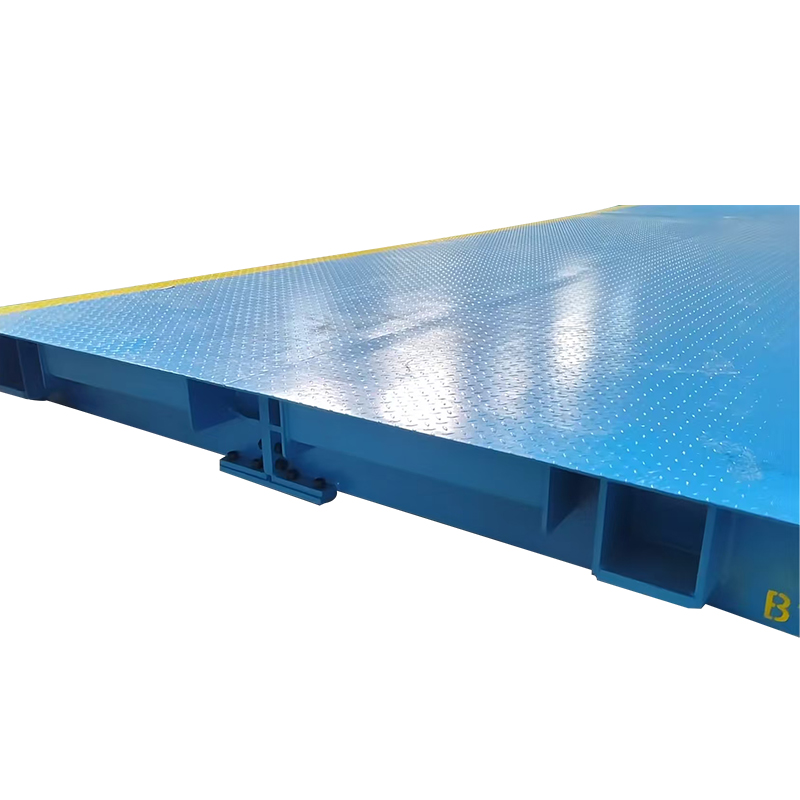
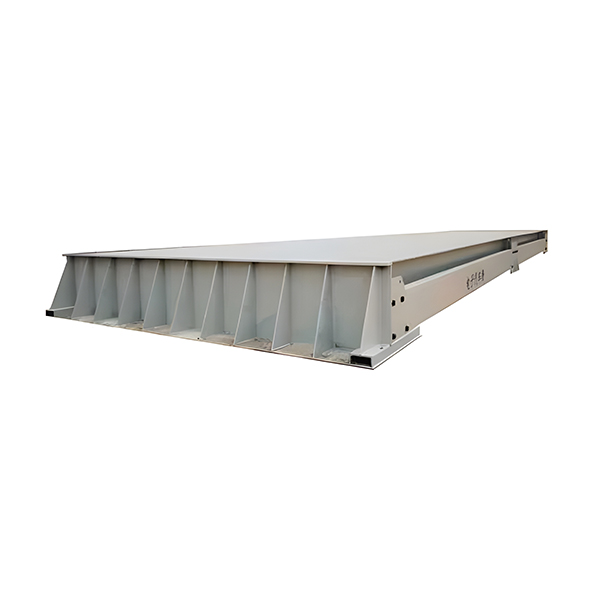
Sits on the surface with approach ramps on both ends. Lower installation cost and easier to relocate. Ramp approach grades typically range from 7% to 10%, which most commercial trucks handle without difficulty. Ideal for operations that may move or expand.
Designed for temporary or multi-site use. Units typically weigh 4,000–8,000 lbs and can be relocated with a forklift. Accuracy is slightly lower — typically ±0.1% of applied load vs. ±0.05% for permanent installations. Common in agriculture and construction rental.
Weigh individual axle groups rather than the full vehicle at once. Lower cost — typically $5,000–$20,000 per pad — and useful for compliance checks and load distribution verification. Not a replacement for a full-platform scale when certified gross vehicle weight is required.
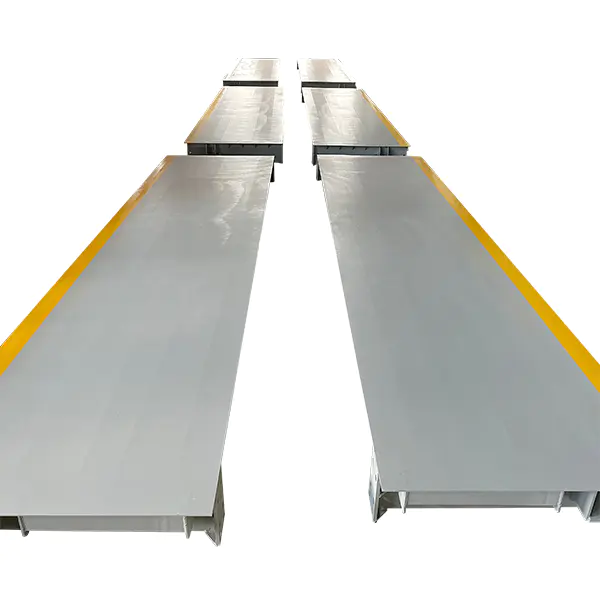
The single biggest mistake buyers make is purchasing a truck scale with insufficient platform length. A scale that's too short forces multi-pull weighing, which slows throughput and introduces operator error.
Standard commercial semi-trucks with a 53-foot trailer require a platform of at least 70 feet to weigh in a single pull. Tandem configurations or specialty haul trucks in mining can exceed 110 feet, requiring custom platform builds.
| Vehicle Type | Recommended Length | Typical Capacity |
|---|---|---|
| Single-axle delivery trucks | 30–40 ft | 40–60 tons |
| Standard semi-trucks (53 ft trailer) | 60–80 ft | 80–100 tons |
| Mining haul trucks | 100–120 ft | 150–300 tons |
| Agricultural combines / grain carts | 40–60 ft | 60–80 tons |
Load cells convert mechanical force into an electrical signal. The type you choose affects accuracy, maintenance frequency, and replacement cost over the scale's lifespan. Most truck scales use 4 to 8 load cells, and cell failure is the most common cause of inaccurate readings.
The most widely used type. Proven technology with decades of field data behind it. Replacement cells cost $150–$600 each. Performance degrades in high-moisture or corrosive environments if not properly protected with IP68-rated enclosures.
Each cell has its own A/D converter and transmits a digital signal. Easier to diagnose — the indicator can identify which specific cell is underperforming. Better suited for harsh outdoor environments. Cell cost runs $400–$1,200 each, but reduced calibration time offsets the premium.
Common in high-capacity mining applications. Handles heavy side loads and shock better than bending beam cells. Used in scales rated above 150 tons. Less common in general commercial settings but worth specifying for demolition, scrap, or heavy quarry operations.
The deck is what your trucks physically drive over. Its material affects initial cost, maintenance requirements, and expected service life — and buyers frequently underestimate this decision.
The indicator is the display and processing unit that reads signals from the load cells and outputs a weight reading. Entry-level indicators for a truck scale cost $800–$2,500. Full-featured systems with ticket printing, database storage, and remote access can exceed $8,000.
For operations processing more than 30–40 trucks per day, investing in software integration is almost always cost-justified. A basic weighing management system that connects to accounting software can eliminate 2–4 hours of manual data entry per day at a busy facility.
Unattended weighing kiosks allow drivers to weigh without an operator present, cutting labor costs significantly. These systems typically cost $12,000–$35,000 including camera, intercom, and barrier arm, but pay back within 18–24 months at a facility handling 100+ trucks per day.
If your truck scale is used for any commercial transaction — billing customers by weight, paying suppliers per ton, or issuing legal weight certificates — it must be NTEP-certified (National Type Evaluation Program) in the United States, or carry equivalent national certification in your country (OIML for international trade, Measurement Canada for Canada, etc.).
Non-certified scales can be used for internal process control, but any weight used to calculate a price or meet a regulatory requirement must come from a certified, regularly inspected scale. Violations can result in fines ranging from $1,000 to $10,000 per incident depending on jurisdiction, plus back-billing liability.
After installation, a licensed weights-and-measures inspector performs an initial accuracy test using certified test weights. Cost: $300–$800 depending on region and scale size.
Most states require annual recertification. Budget $200–$600 per year for a calibration service visit, plus potential load cell adjustment costs if drift is detected.
Certified scales carry tamper-evident seals on load cell connections and the indicator. Breaking a seal before recalibration voids the certificate immediately. Keep a calibration log on-site — inspectors will ask for it.
Manufacturers quote scale prices. Site preparation is almost always a separate line item and frequently costs as much as the scale itself. Get a site survey done before finalizing your budget.
| Site Work Item | Typical Cost Range | Notes |
|---|---|---|
| Grading and drainage | $2,000–$8,000 | Poor drainage is the leading cause of premature load cell failure |
| Concrete foundation / approach slabs | $8,000–$30,000 | Pit installations require deeper, reinforced foundations |
| Electrical (conduit, panel) | $1,500–$5,000 | Run conduit while pouring concrete to avoid costly retrofits |
| Scale house / operator enclosure | $5,000–$20,000 | Prefab units are cheaper; climate-controlled units recommended in extreme climates |
| Permits and inspections | $500–$3,000 | Varies widely by municipality; allow 4–12 weeks for approval |
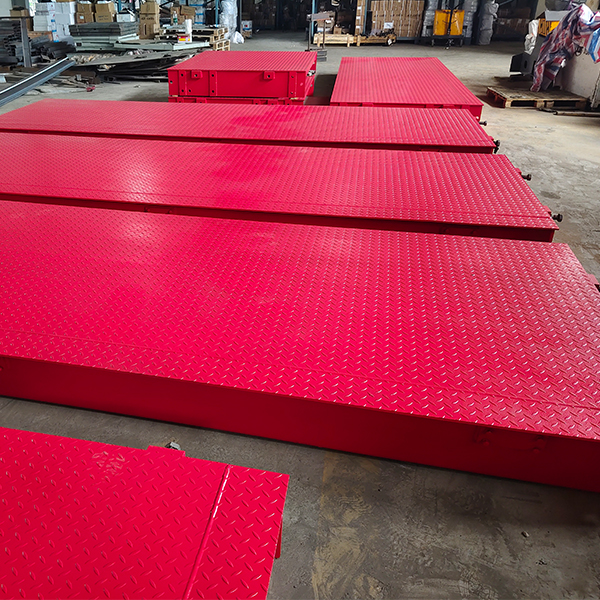
One critical point on drainage: water pooling inside a pit or under a surface-mounted scale is the fastest way to destroy load cells and corrode wiring. Build in a sump with a pump, or slope the pit floor toward a drain. Many experienced installers say drainage accounts for more than 50% of early-failure callbacks.
A truck scale purchased for $80,000 will cost an estimated $40,000–$70,000 in maintenance over 20 years under normal use. Understanding what drives those costs helps you budget accurately and avoid unplanned downtime.
Load cells are the most expensive replacement item, typically running $600–$4,800 per cell replacement event including labor. Digital cell systems reduce diagnostic time significantly — what takes 4 hours with analog cells can be narrowed to 30 minutes with digital diagnostics.
The truck scale market includes global manufacturers, regional fabricators, and resellers. Price alone is a poor guide. A cheap scale from a supplier with no local service network will cost more in downtime losses than the price difference within the first three years.
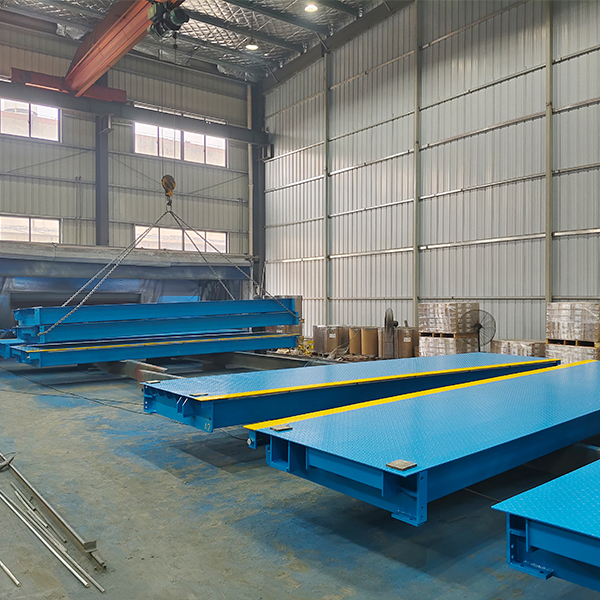
The purchase price is only one part of the total cost. Operators who plan only for the equipment cost routinely run into budget problems at installation or within the first 18 months. Here's a realistic all-in cost model for a standard 80-foot, 100-ton above-ground truck scale at a mid-sized commercial facility:
Add $3,000–$6,000 per year for maintenance, calibration, and minor repairs to get your true annual cost of ownership. Over a 20-year lifespan, that's $60,000–$120,000 in operational costs on top of the purchase price — factoring this into your ROI calculation before purchasing is essential.
Most post-purchase regrets in the truck scale industry trace back to a small set of avoidable decisions. These mistakes show up repeatedly across industries and scale types.
If you're currently running 80-ton loads but anticipate heavier equipment within five years, buy the 100-ton platform now. Retrofitting a larger scale on an existing foundation costs 40–60% more than sizing correctly from the start.
Standing water under or around a truck scale corrodes load cells, causes false readings, and accelerates structural fatigue. Drainage systems added after installation cost $4,000–$12,000 more than those designed in from the beginning.
Many buyers select the least expensive NTEP-certified indicator, then discover it doesn't support the data output format their ERP system requires. Replacing an indicator after installation costs $1,500–$4,000 in parts and labor.
A truck scale that breaks down costs an operation roughly $500–$2,000 per day in lost throughput at a busy facility. If your supplier's nearest service tech is 400 miles away, that response time differential will eventually show up as a very expensive problem.
Some buyers accept manufacturer quotes based on phone conversations rather than a physical site visit. Subsurface conditions — rock, unstable fill, high water table — can add $10,000–$50,000 to foundation costs that were never in the original budget.
Before you sign a purchase order for any truck scale, confirm you have clear answers to each of these questions:
What is the maximum gross vehicle weight you will ever weigh, including future equipment?
What platform length do your longest vehicles require for a single-pull weighing?
Is this scale used for commercial transactions? If yes, NTEP/legal-for-trade certification is mandatory.
What is the soil bearing capacity at the installation site? Has a geotechnical assessment been done?
What does the drainage plan look like, and who is responsible for it — you or the contractor?
What software systems must the indicator integrate with, and is that integration tested before delivery?
What is the supplier's guaranteed service response time, and is it in the contract?
What are the full installed costs including site prep, electrical, enclosure, and permits?
Copyright © Ningbo Jiuding Weighing Equipment Co., Ltd.