

 English
 中文简体
中文简体
Industry News
Home / News / Industry News / Industrial Inventory Scales: How to Choose Accurate Weighing for Stock Control
Content
A 60-ton truck scale that is 0.1 percent off creates a 60 kg error on every loaded truck. If your plant receives 20 trucks a day, that is 1,200 kg of false stock movement before the end of the shift. The short answer is: industrial inventory scales are not a single device.
An inventory scale system usually combines a scale base, load cells, a weighing indicator, and a data recording step. At Jiuding, the product chain runs from sensors and indicators to complete weighing platforms, so the scale that balances inventory is the one that matches the task, the environment, and the data workflow.
| Inventory task | Recommended equipment | What it protects |
|---|---|---|
| Incoming bulk materials | Truck scale | Short deliveries and disputes at the gate |
| Production batch weighing | Buffer scale | Impact loads and production tallies |
| Vehicle axle spot checks | Axle load scale | Vehicle load distribution records |
| Stock data collection | IoT indicator plus weighing software | Manual recording errors |
Accuracy is not the same as readability. A scale can display 10 kg steps and still be off by 60 kg at full load, because the load cells, wiring, and calibration determine the error. For inventory purposes, the question is not how many decimal places the indicator can show; it is how repeatable and traceable the weight is.
Take a 3,000-ton monthly material flow. A 0.1 percent error creates 3 tons of unexplained loss or gain each month. At a material value of 500 USD per ton, that is 1,500 USD of inventory variance that no spreadsheet formula can fix. The most practical fix is to use a scale system that holds its accuracy under real site conditions.
Traditional analog signals can be weakened by cable resistance and electrical noise. Digital load cells convert the weight signal near the sensor, so the indicator receives data that is less affected by distance and interference. This matters on a truck scale where the junction box may be tens of meters away from the indicator.
A counting scale in an office can sit on a clean bench. A truck scale, buffer scale, or platform scale in a factory sits in dust, moisture, heat, vibration, and sometimes rain. If the sensor and structure are not designed for those conditions, calibration drift appears quickly and inventory records become unreliable.
Start with the heaviest load, then the smallest unit you need to track, then the environment, then the connection to your stock system. Skip that order and you will either overspend on capacity or under-protect the data.
A practical selection sequence for most plants is:
If your largest inbound load is 45 tons, a 60-ton truck scale is reasonable. If you count small parts at the same plant, a separate counting scale with a fine division is the right tool. The two scales serve different inventory levels; trying to make one product do both usually causes errors at one end of the range.
Harsh plants need protection. Jiuding offers explosion-proof sensors for hazardous zones, stainless steel versions for corrosive washdowns, and IoT sensors for stock data transmission. The sensor is the part of the scale that meets the load first, so its rating determines the real-world performance of the whole system.
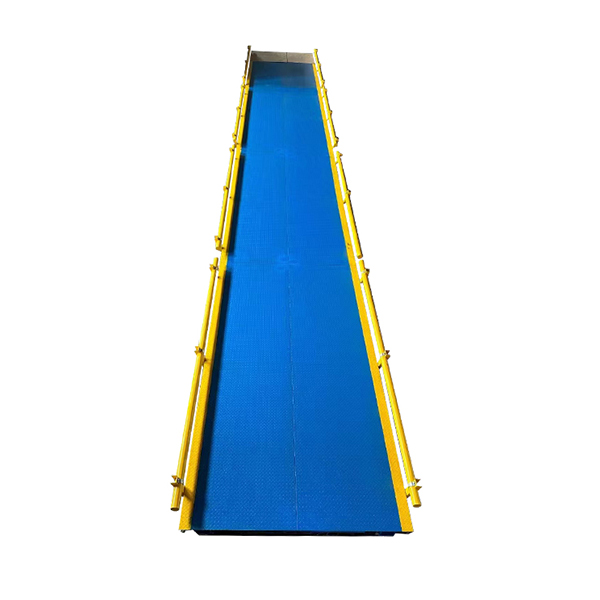
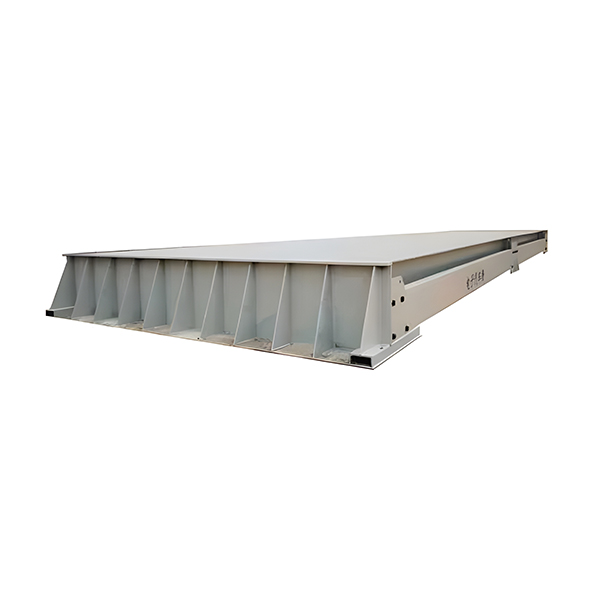
If your inventory is measured in tons, the truck scale is the main gate. Every supplier truck that enters and leaves a site can be weighed to produce a net weight for the delivered material. A digital electronic truck scale with a robust platform and digital load cells provides the stable baseline you need for supplier reconciliation.
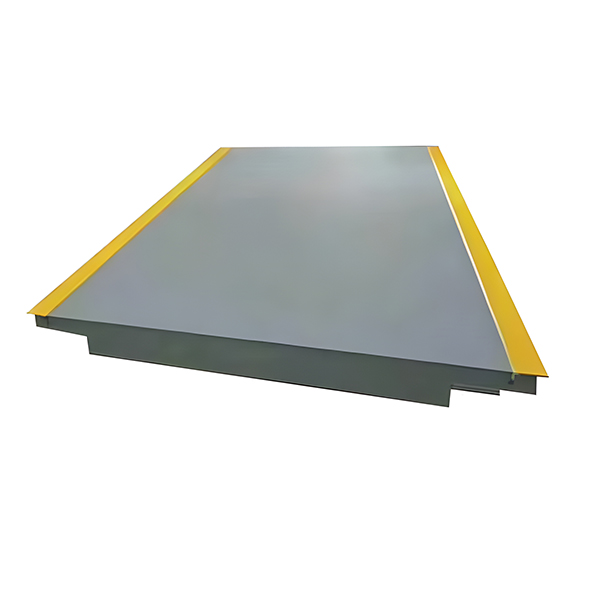 Wholesale Digital Electronic Truck Scale Manufacturer, Factory - Ningbo Jiuding Ningbo Jiuding Weighing Equipment Co., Ltd is China wholesale Digital Electronic Truck Scale manufacturer and OEM/ODM Digital Electronic ...View Product →
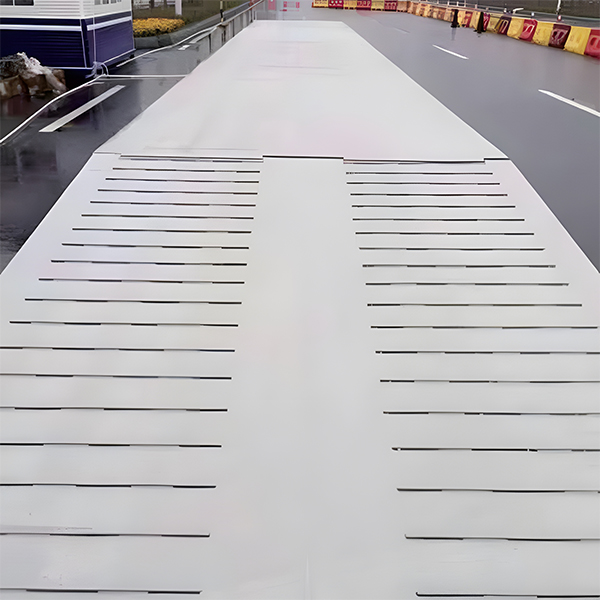
For sites that do not need a full-length weighbridge for every check, an axle load scale can weigh individual axle groups and support load distribution checks. Many plants use it as a secondary tool for raw material spot checks or internal transport records.
To avoid inventory disputes, use the same scale for inbound and outbound weighing when possible, keep the calibration record, and connect the indicator to a printer or software so the weight cannot be edited by hand.
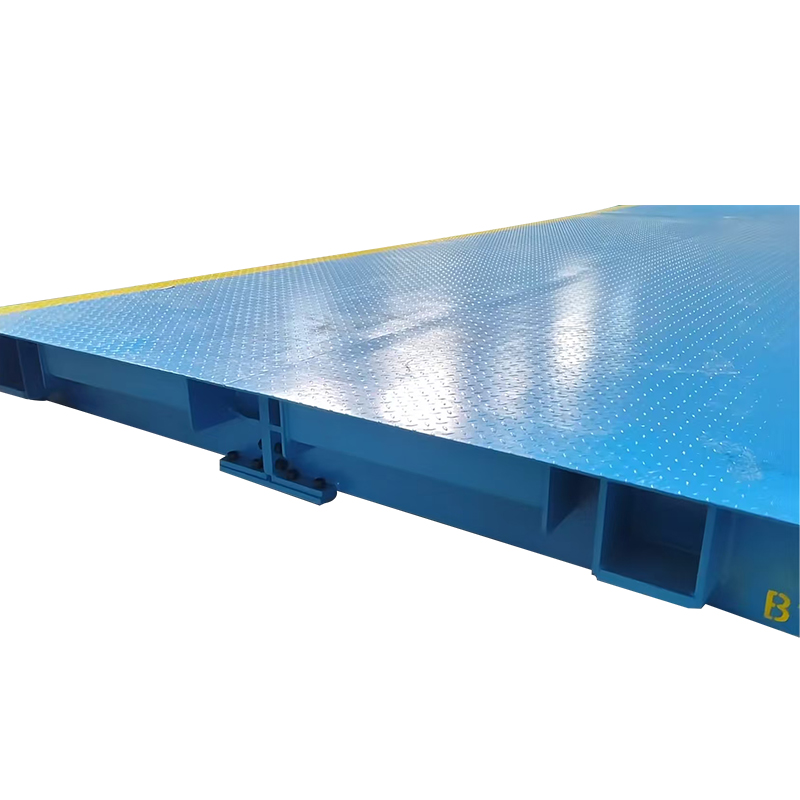
Production inventory often moves in drops, not gentle placements. Recycled material, metal chips, plastic pellets, and some finished products fall from a conveyor or hopper onto a scale. A normal platform can bend or transmit destructive shock to the load cells. A buffer scale is built with a reinforced frame and impact-absorbing design to keep the weighing result stable when material hits the deck.
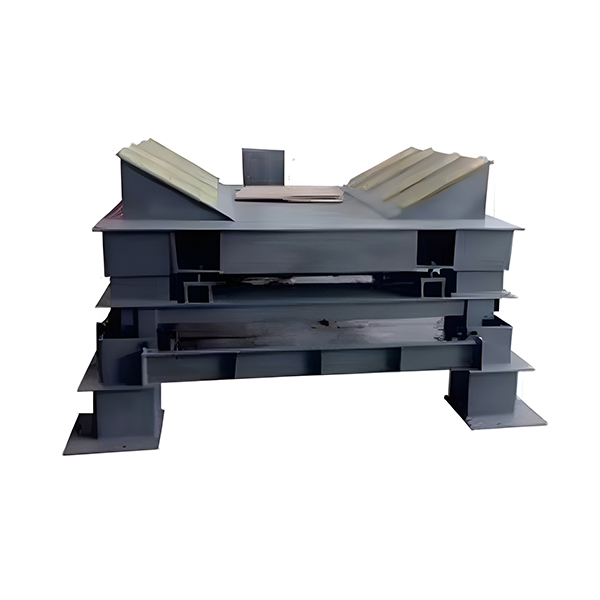 Wholesale Buffer Scale Manufacturer, Factory - Ningbo Jiuding Weighing EquipmentNingbo Jiuding Weighing Equipment Co., Ltd is China wholesale Buffer Scale manufacturer and OEM/ODM Buffer Scale factory,Product characte...View Product →
Buffer scales are especially useful for:
The output from a buffer scale can be sent to a weighing instrument or IoT indicator, so the production inventory count is linked to the same data stream as other scales.
A scale that only shows a number on a display still leaves room for typing mistakes. The faster inventory data flows from the scale to a stock system, the smaller the chance of error. Jiuding's IoT weighing instrument uses Ethernet and other serial protocols to send weight values directly to computers, local networks, or cloud platforms.
Once the weight is in digital form, weighing software can create delivery tickets, batch records, and stock reports automatically. This is where inventory reconciliation happens: every transaction has a timestamp, a weight, and a source, so the stock file stays aligned with the actual warehouse.
On a busy weighing floor, operators need to see the result clearly and act immediately. Large screen displays, remote indicators, and printers reduce misreading and give the operator a physical record. The goal is to remove every step between the load cell and the inventory ledger that depends on memory.
Even the best scale will drift if it is overloaded, cleaned incorrectly, or exposed to thermal changes. For inventory purposes, a scale is only as good as its last calibration. Jiuding's calibration and verification services cover installation checks, standard weight verification, and adjustment of the scale system.
A simple daily check routine can prevent most inventory errors:
Preventive maintenance is not an extra cost; it is a tool for catching a load cell or junction box problem before it corrupts weeks of stock records.
An inventory scale is any weighing device used to measure stock quantities for receiving, production control, dispatch, or reconciliation. In heavy industry, this often means truck scales, buffer scales, platform scales, counting scales, and the indicators and sensors connected to them.
A properly installed and calibrated truck scale can typically achieve accuracy within 0.1 percent of full scale or better, depending on the load cells and site conditions. Under a calibration program, the error can be kept inside the tolerance that your inventory process can absorb.
Physically, each scale base usually requires its own indicator or junction box. However, an IoT weighing instrument can collect data from multiple scales on a network, so inventory records are unified in one software system even when the scale bases are separate.
There is no universal interval, but scales used for daily inventory should be checked with a test weight before each shift and calibrated with standard weights on a frequency that fits your error risk. A practical routine is quarterly calibration plus a daily span check.
Readability is the smallest value the display can show, for example 10 kg. Accuracy is how close the displayed weight is to the true weight. A scale with a 10 kg division can still have an error of 30 kg if the load cells or calibration are poor.
No. A truck scale is sized for complete vehicles and bulk receipt, while a buffer scale is meant for production containers and impact loads. Most plants need both, plus a data collection layer, to cover inbound and in-process inventory.
Reliable inventory records begin with the scale structure, continue through the sensor and indicator, and end in the software that stores the data. Choosing the right capacity, readability, environmental protection, and connectivity is a practical engineering decision, not just a purchase decision.
If you are upgrading an industrial stock control process, start by mapping your heaviest load, your inventory unit, and the path the data has to travel. Then match the scale family to those three requirements, and keep calibration and maintenance as part of the system.
Copyright © Ningbo Jiuding Weighing Equipment Co., Ltd.